YOUTUBER: News

3. November 2026

ZAPP

Sineway – MiniFreak: Der Groove steckt auch im Filter

© Picture: News (YouTube)

MiniFreak: The Groove Is in the Filter Too

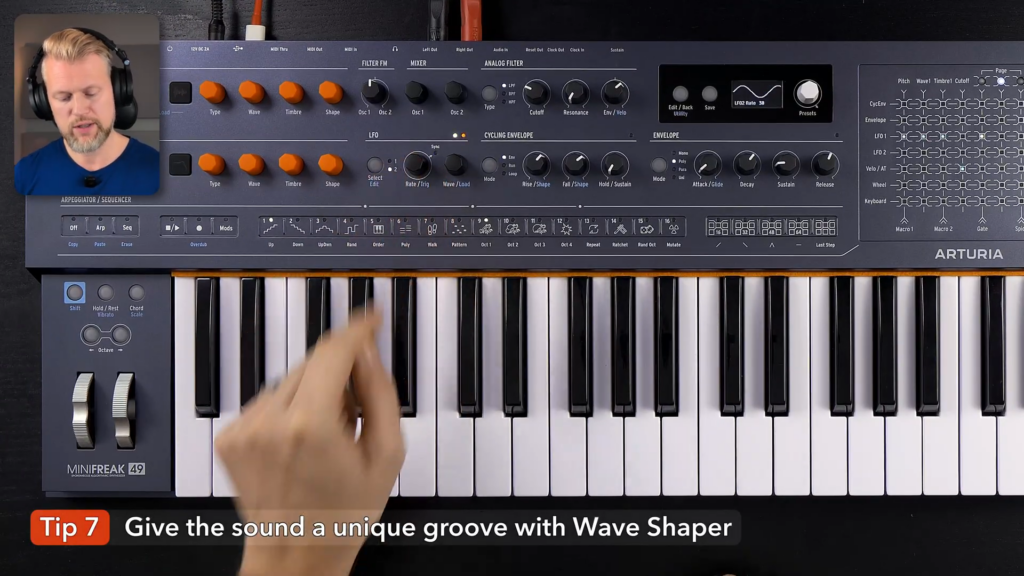
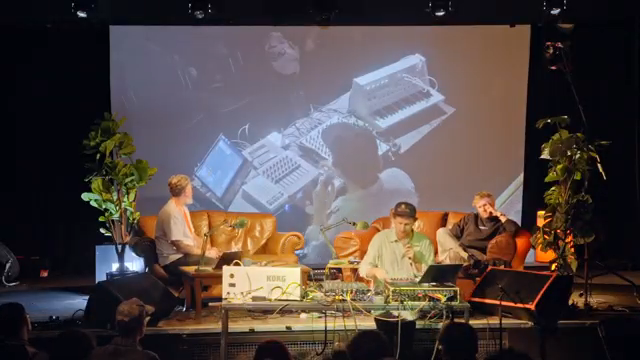
An arpeggio is running, but the real accents come from the filter: Sineway demonstrates on the MiniFreak how a custom-shaped LFO plays along rhythmically. For the bass, he deliberately keeps the sound simple. Two older contributions from AutomaticGainsay and Nu-Trix take the tinkering idea further—from the exposed triangle wave to a drum sound that almost becomes a bassline.
3. November 2026

JET

HakenAudio – Continuum-App: Beim Loslassen wächst der Hall

© Picture: News (YouTube)

Continuum App: Reverb grows as you let go

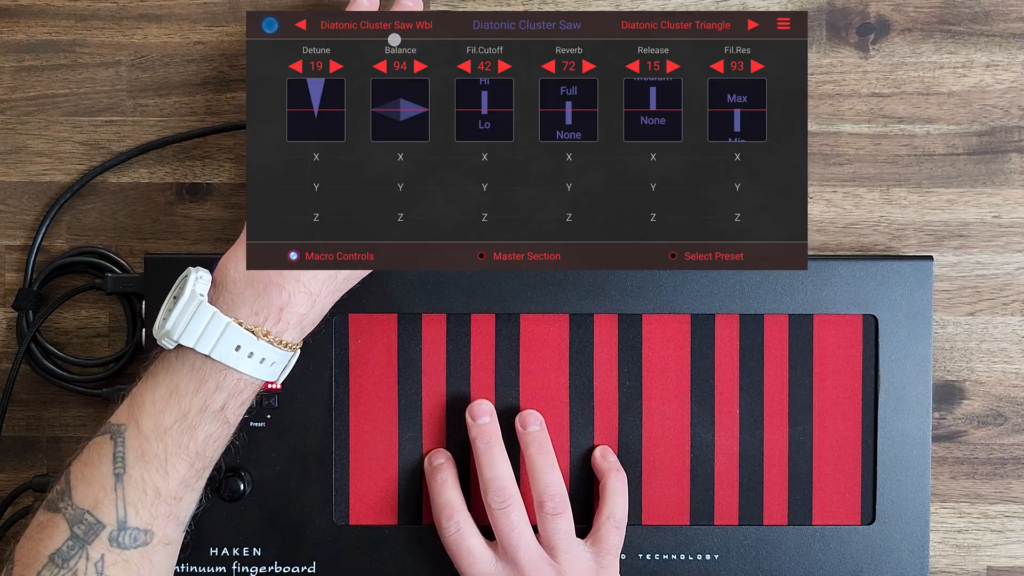
More pressure doesn't have to mean more effect: In Haken's app demo, Josh Madoff lets the reverb swell when releasing, and makes high notes sound darker. This is about more than convenient editing. Cuckoo's earlier Continuum demo shows how closely sound and playing style are linked—and why a new sound sometimes demands new habits from your hands.

2. November 2026

ZAPP

Noisegate – Harvey Sutherland: Fertige Stems, offene Entscheidungen

© Picture: News (YouTube)

Harvey Sutherland: Finished stems, open decisions

How much should already be set in a live set? Harvey Sutherland shows on Noisegate how prepared audio tracks become flexible again in his hands – with Session View, dub interventions, and an idiosyncratic drum treatment. Tom Lonsborough on sonicstate and Rapid Flow take different approaches: They organize instrument changes and play in an arrangement instead of just drawing it.

2. November 2026

LUMINA

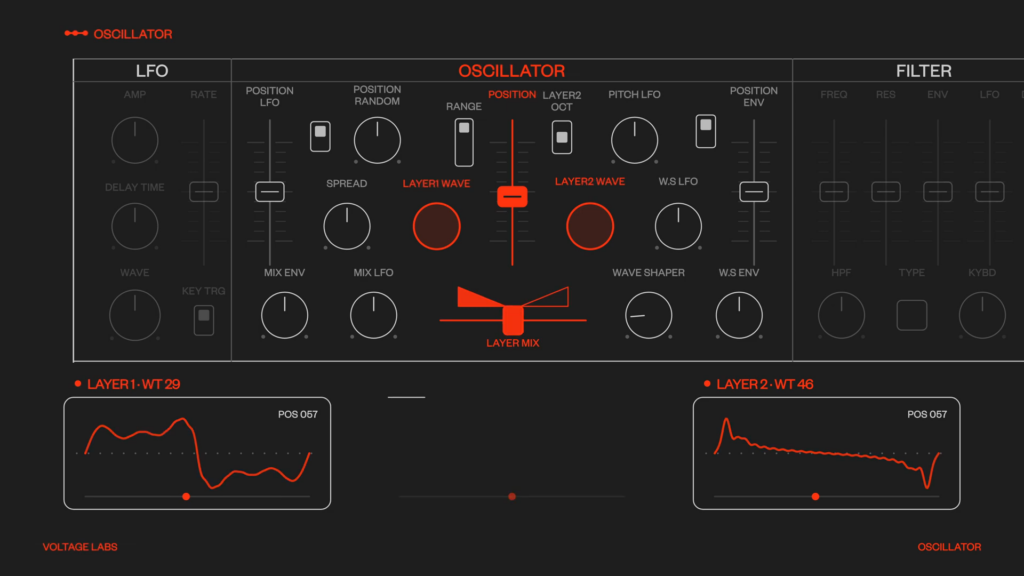
Voltage Labs – Roland n/vision: Die Klangfarbe spielt mit

© Picture: News (YouTube)

Roland n/vision: When Timbre Takes the Lead

An arpeggio doesn't need constant new notes to keep changing. Voltage Labs shows with Roland's n/vision how layer mix and sound shaping keep a track in motion. At Andertons, vocal-like wavetable sweeps, measured grit, and a striking observation are added: Sometimes, maybe the ear decides better than the prettiest waveform graphic where a sound should go.

1. November 2026

MILES

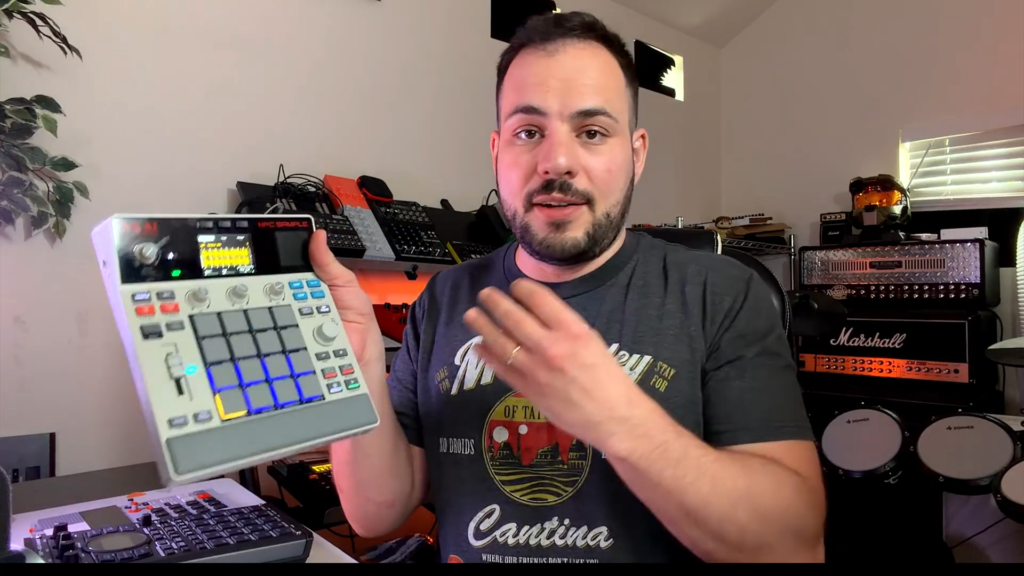
sunwarper – MPC Sample: Andere Software, dieselben Pads?

© Picture: News (YouTube)

MPC Sample: Different Software, Same Pads?

Different software, familiar pads: Sunwarper sees community code as an opportunity to adapt the MPC Sample more closely to his own workflow. In his earlier hands-on video, Gabe Miller demonstrates how concrete such wishes can be—from scales to resampling. What matters is not the next long feature list, but whether an instrument can be operated more purposefully. And who reliably maintains it afterwards.

1. November 2026

JET

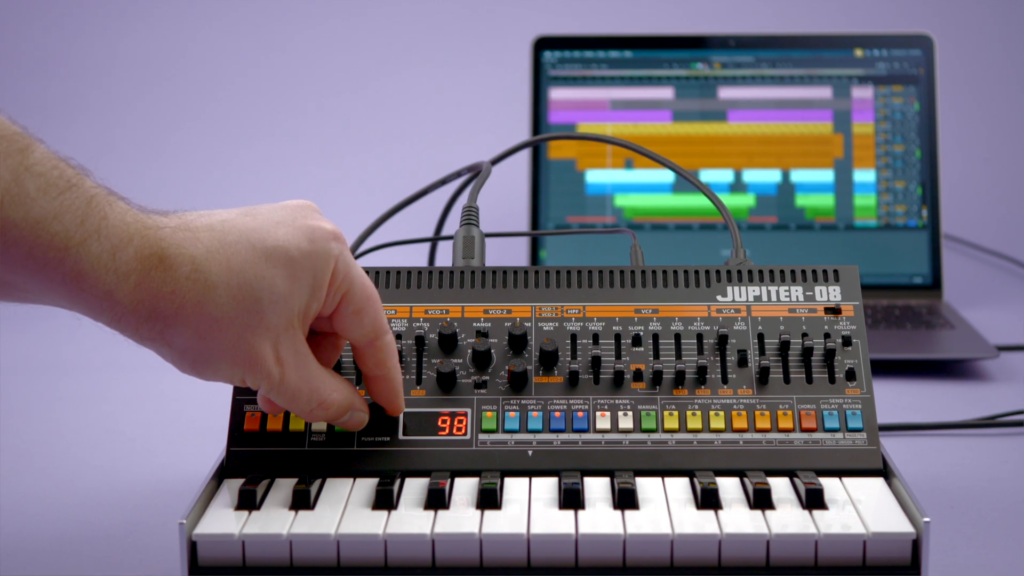
Bloom Music – Jupiter-08: Lieber Eigensinn als perfekte Kopie

© Picture: News (YouTube)

Jupiter-08: Better to be original than a perfect copy

Does a Jupiter first have to prove its pedigree? Bloom Music finds the very possibilities that go beyond mere copying to be the most exciting aspect of the Roland Jupiter-08: two layers without halved polyphony, different filters, and plenty of effects. At Sonicstate, simulated aging is even allowed to go too far, while Voltage Labs builds a track from the sound material. Here, musical freedom is more interesting than clone duty.

31. October 2026

KNISTER

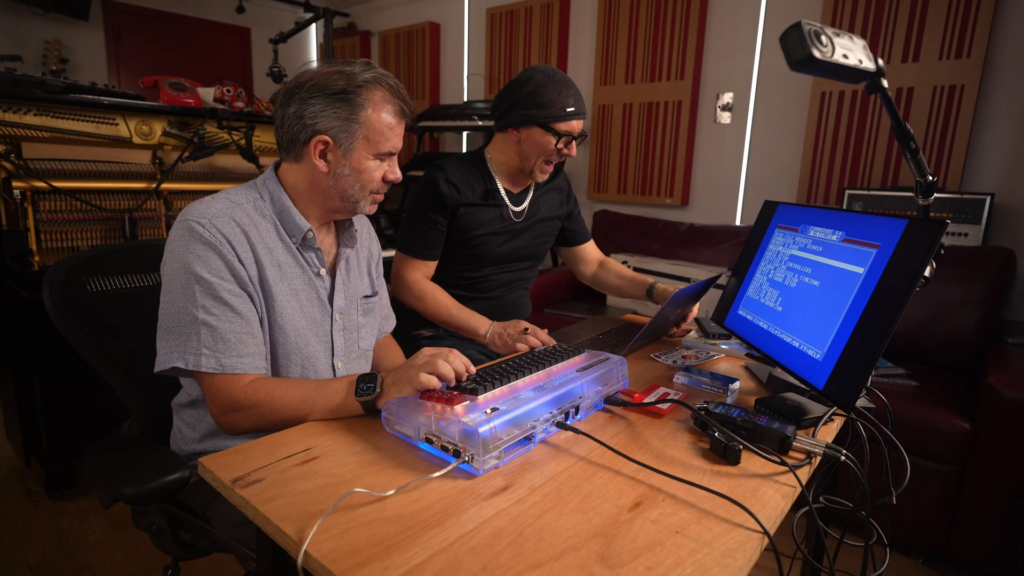
Doctor Mix – C64 Ultimate: Doctor Mix zerlegt den Commando-Groove

© Picture: News (YouTube)

C64 Ultimate: Doctor Mix Dissects the Commando Groove

Doctor Mix wants to know how Rob Hubbard’s Commando works with three SID voices. On the C64 Ultimate, he has Claude write a program for this purpose—and immediately starts remixing while dissecting. The desire for direct access has a backstory: LOOK MUM NO COMPUTER built him a controller panel, Espen Kraft creates full chords from individually recorded C64 voices.

31. October 2026

RAUMKLANG

Tonepusher – Halloween II: Zwei Prophets sind noch nicht der ganze Lead

© Picture: News (YouTube)

Halloween II: Two Prophets Are Not the Whole Lead

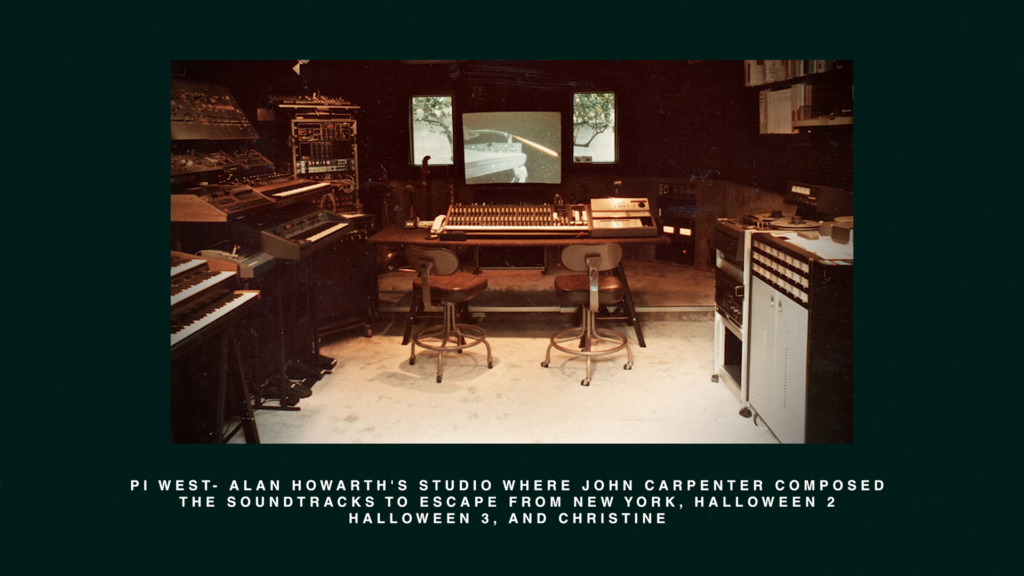
Prophet-5 and Prophet-10, plus an ARP Quadra overdub: Tonepusher traces how Alan Howarth thickened the lead of Halloween II. What’s exciting here is not just the list of instruments, but the interplay of layering and sequencing. Starsky Carr’s comparison of Prophet hardware and Softube Model 80 offers a different perspective on the characteristics of stacked voices.

30. October 2026

MILES

Starsky Carr – Waldorf Crema: Mehr Regler für die versteckte Tiefe

© Picture: News (YouTube)

Waldorf Crema: More Knobs for Hidden Depth

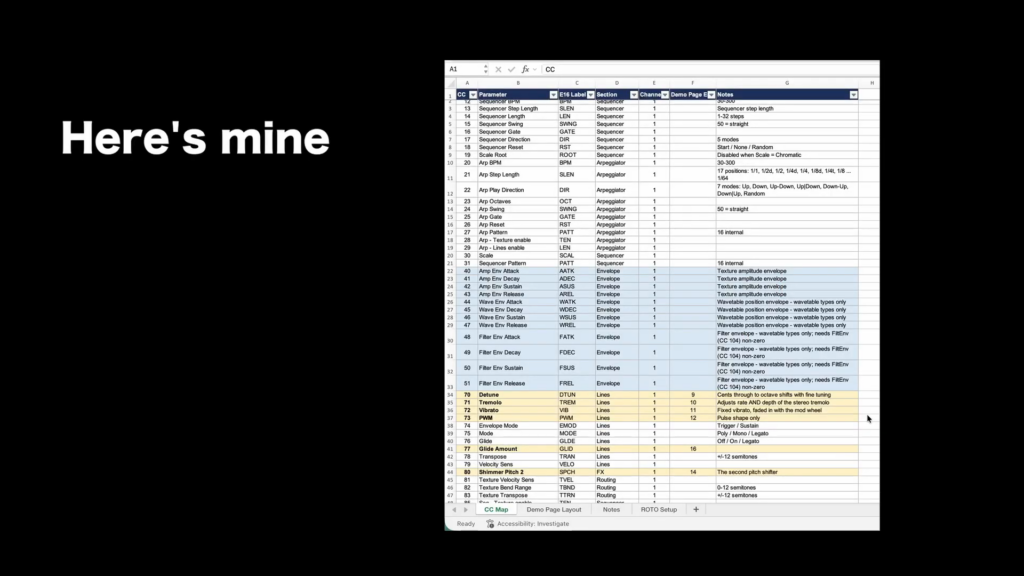
Waldorf’s Crema presents itself as a compact string ensemble, but Starsky Carr is more interested in what lies beneath that label: wavetables, FM, and plenty of modulation. For this, he’s set up an external controller. His demonstration tells the story of an appealing instrument—and raises the question of how much groundwork musicians should do before hidden parameters become truly playable possibilities.

30. October 2026

RILEY

AutomaticGainsay – Behringer MS-5: Zwei Filter suchen eine Stimme

© Picture: News (YouTube)

Behringer MS-5: Two Filters in Search of a Voice

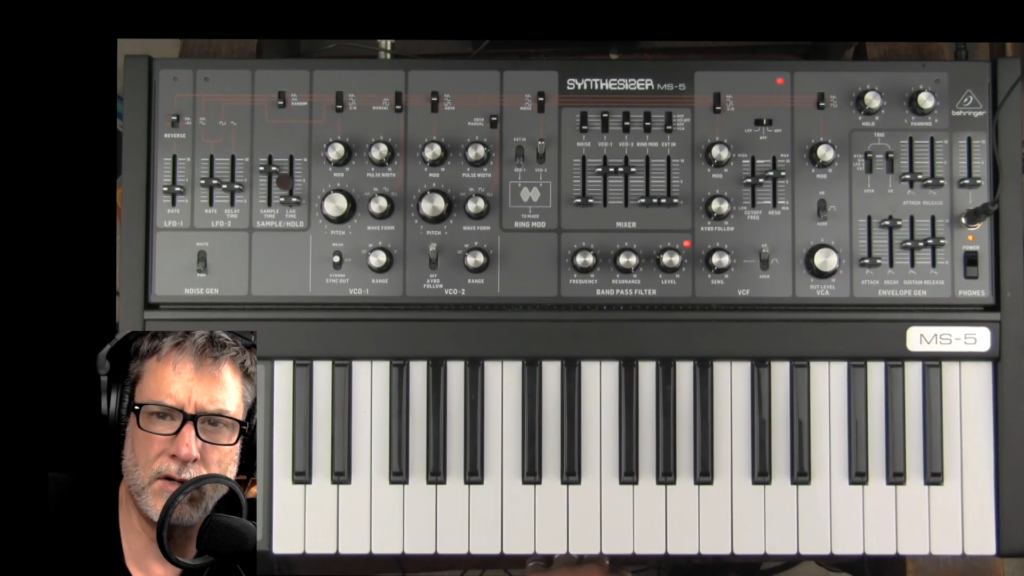
Two oscillators, two bandpasses—surely there must be a voice in there somewhere? AutomaticGainsay searches for vocal-like sounds on the Behringer MS-5 and finds appealing approaches, but also a concrete limitation. Starsky Carr, in his earlier comparison with the Roland SH-5, demonstrates what the same architecture can do beyond the search for voices. What matters is not just which filters are present, but what you can move with them.