Ever laid down a killer groove in Ableton and then just noped out because life came knocking? Underdog Electronic Music School is here to save your half-baked bangers from the digital graveyard. In this video, Oscar drops three street-smart habits for music producers to actually keep their ideas alive and cooking. Think of it as workflow survival skills—no science degree required, just a little discipline and a folder full of future classics. Let’s get your sketches off life support and into the sunlight.
14. July 2026
RILEY
Underdog Electronic Music School: Don’t Let Your Beats Collect Dust
Habits That Hit Harder Than Procrastination
Let’s be real—how many killer loops have you started, only to slam the laptop shut when dinner’s ready or your roommate needs the Wi-Fi? Underdog Electronic Music School gets it. Oscar kicks things off with a cold truth: most beginners just bail on their tracks when time’s up, and those ideas end up more lost than your favorite sock after laundry day.
But here’s the cheat code: building good habits early. Oscar’s all about training your workflow muscle memory, so that—even if you’re running on caffeine fumes—you can keep the creative ball rolling. Trust me, these are the kind of habits that won’t just save your beats; they’ll save your sanity when you’re trying to turn a four-bar loop into an actual track.
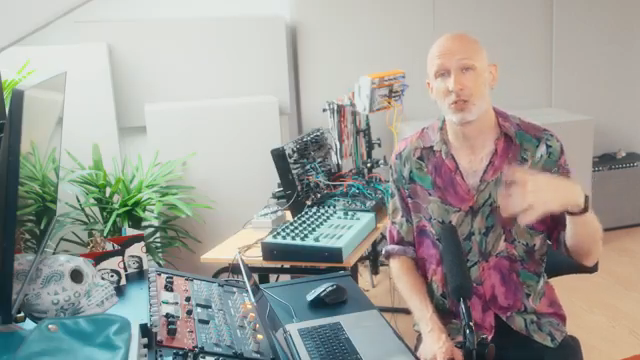
"They're really good habits that are going to serve you well in the long run."
© Screenshot/Quote: Oscarunderdog (YouTube)
Sketch Arrangements: Your Groove’s Secret Sauce
"A sketch arrangement is just a very basic arrangement so that the musical ideas open up over a little bit of time."
© Screenshot/Quote: Oscarunderdog (YouTube)
Oscar serves up the sketch arrangement method, which is basically the musical equivalent of sketching out a comic strip before drawing the final panel. Instead of just looping the same 8 bars until your ears fall off, you duplicate the idea into five sections—intro, build, break, drop, and outro. Now your tune has movement, tension, and, dare I say, a bit of a storyline, even if it started as a simple loop.
This quick-and-dirty structure doesn’t just keep you interested; it turns a throwaway groove into something you can actually vibe with on the bus or while dodging potholes on your bike. Oscar’s tweaks—like stripping down the intro or muting a ride cymbal—help you see how small changes can crank up the energy or smooth out transitions. Suddenly, your loops feel less like a broken record and more like a mixtape worth sharing.
Limiter Love: Don’t Let Your Headroom Steal the Show
Here’s a nugget for anyone chasing that pro sound without blowing out their speakers: slap a limiter on your master channel and bring your peak close to zero. Oscar’s not talking about squashing your track into a pancake—just nudge the volume so you don’t end up with a mix that’s quieter than a whisper in a library. This isn’t about maxing out loudness wars; it’s about making sure your work-in-progress doesn’t sound amateur when you play it back on some cheap earbuds.
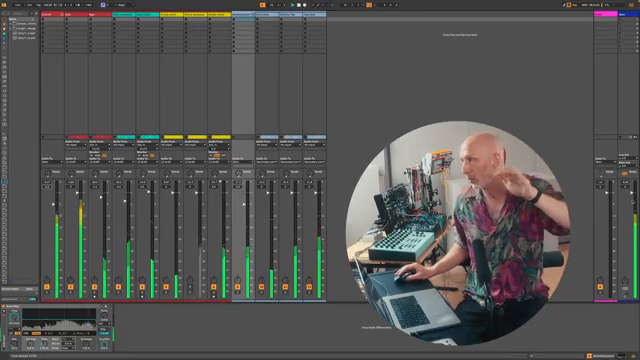
"This is not about trying to get the maximum loudness out of things or something."
© Screenshot/Quote: Oscarunderdog (YouTube)
Render, Save, Repeat: Build Your Own Beat Scrapbook
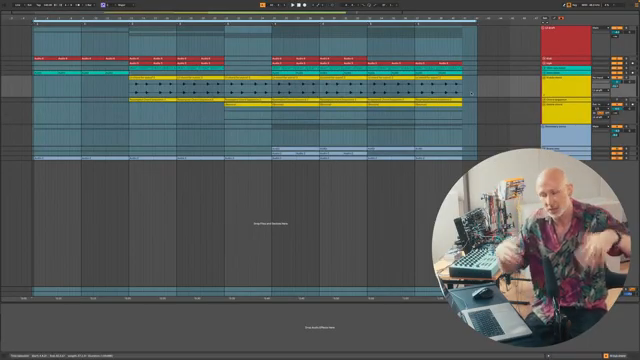
"It's a subtle indicator, but it's an important indicator."
© Screenshot/Quote: Oscarunderdog (YouTube)
Now for the move that separates the dabblers from the doers: render your sketch as an audio file and toss it in a scrapbook folder. Oscar’s tip? Don’t overthink it—just give yourself a second of silence at the start and end, so it feels like a real track, not a chopped-up loop. Automate a little reverb if you’re feeling saucy.
Saving WAVs or MP3s in a dedicated folder turns your random ideas into a time-stamped beat diary. Next time you’re digging for inspiration, you can actually listen back—no need to fire up ancient Ableton projects and pray they still open. This simple habit can spark new ideas and keep your old grooves alive, just waiting for a second chance to shine.
Progress Saved, Inspiration Unlocked
Putting these three skills together means you’re not just avoiding lost progress—you’re setting yourself up for future wins. Oscar’s workflow keeps your ideas fresh and easy to revisit, turning your production sessions into a living, breathing archive. Trust me, this is the kind of streetwise hack every bedroom producer should steal.
This article is also available in German. Read it here: https://synthmagazin.at/underdog-electronic-music-school-lass-deine-beats-nicht-verstauben/
More articles about these products:
 Underdog Electronic Music School: When One Pulse is Enough to Break Your Brain
 Markers That Splash: Underdog Electronic Music School’s Guide to Kickstarting Your Phrases
 Kairos as Living Sculpture: MusicRadar Tech Enters Laura Misch’s Sonic Sanctuary
 Voltage Labs: Berlin’s Sonic Mosaic – Studios, Shadows and the Pulse of Creation
 Architecting Performances: Novation Launch Control and Ableton Live Macro Workflows
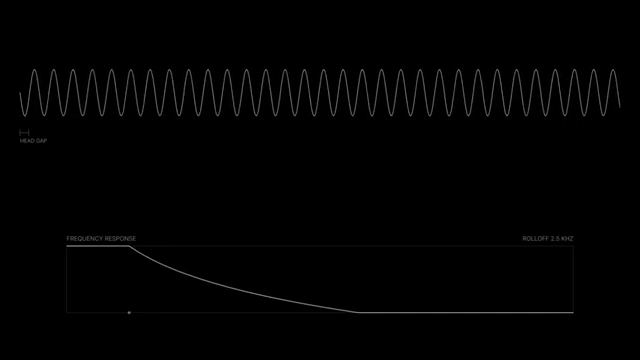 Nebula Machines: Bahadırhan Koçer and the Sonic Physics of Dub Techno
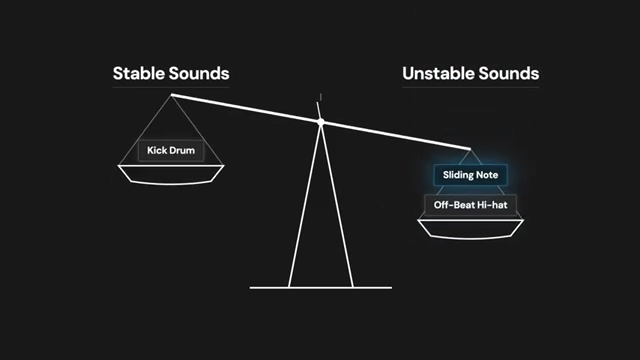 Pick Yourself’s Hypnotic Bass Hack: Rumble Kicks Are Out, Sliding Grooves Are In
 Mad Moments & Club Tactics: Tom VR Gets Real with MusicRadar Tech
 Bonedo Synthesizers: How to Make Any Synth Scream Acid Like a 303
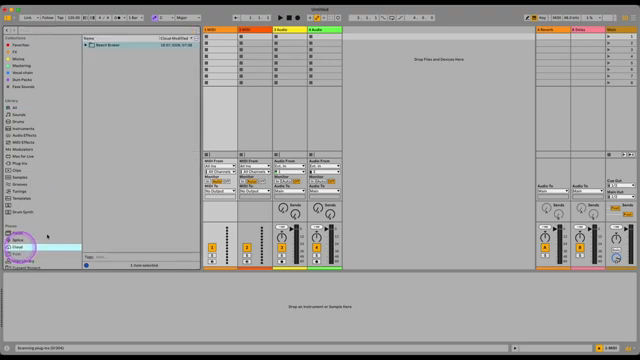 LNA Does Audio Stuff: Making Beats on the Cheap with Ableton Note—Beach Edition
 Andrew Huang’s Remix Rodeo: Four Producers, One Song, Total Mayhem
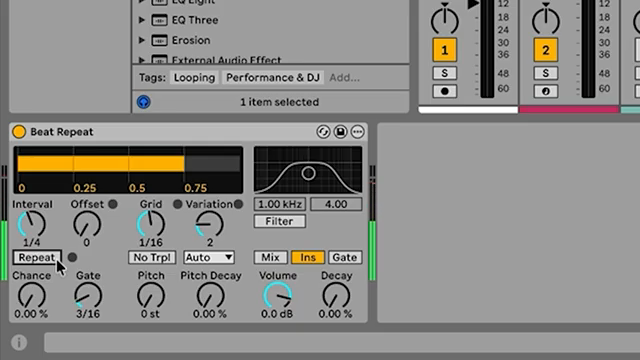 MusicRadar Tech Unleash Ableton Beat Repeat: From Lazy Slicer to Glitch Mayhem
Watch on YouTube:
Latest articles
Watch on YouTube:
Visit the channel:
https://www.youtube.com/OscarUnderdog
https://www.youtube.com/OscarUnderdog
Links from OscarUnderdog:
underdog.brussels: https://underdog.brussels
Underdog instagram: https://instagram.com/oscarunderdog
Underdog facebook: https://facebook.com/underdogbrussels
Sponsored links:
If you purchase via these links, we may earn a small commission – at no extra cost to you. The link opens an Amazon keyword search, and results may vary depending on availability.
Ableton Live
🔗 Check price on Amazon
🔗 Check price on Amazon