Forget your four-to-the-floor safety net—Underdog Electronic Music School drags us kicking and screaming into techno’s real underbelly: the single pulse. Oscar’s on a full quantum physics bender here, binning tradition and zooming into the micro-beats that make a groove tick. It’s not just theory—he’s getting his hands dirty in Ableton, plugins, and even modular, showing us how much chaos and emotion you can wring from one beat. If you thought techno was just about pounding kicks, you’re about to get schooled, hard.
13. October 2026
JET
Underdog Electronic Music School: When One Pulse is Enough to Break Your Brain
Ableton Live, Ballista Blast, D16 Drumazon, Four Bricks Rook, Mixel, Shakmat Lancer's Lash
One Pulse to Rule Them All
Oscar at Underdog Electronic Music School isn’t having any of your bar-length comfort zones. He kicks things off by stripping techno down to its barest bones—the single pulse. Forget thinking in bars or even quarter notes; it’s all about zooming in on the tiniest rhythmic quantum, the granular thump that everything else hangs off. He compares this to jumping from normal physics into quantum weirdness, and, frankly, it feels just as disorienting—like stepping onto the dancefloor and realising the DJ’s unplugged half the sound system on purpose.
There’s a punchy bit of theory here—strong beats, weak beats, those feeble sixteenths—but Oscar’s not fussed about keeping it academic. The aim is to make you feel the pulse, not just count it. It’s a challenge to tradition and a call to arms for anyone bored of the same old bar-by-bar programming. If you thought one pulse would be dull, it’s time to get comfortable with discomfort. The revolution starts with deleting everything but the first quarter note and seeing what kind of mess you can make.
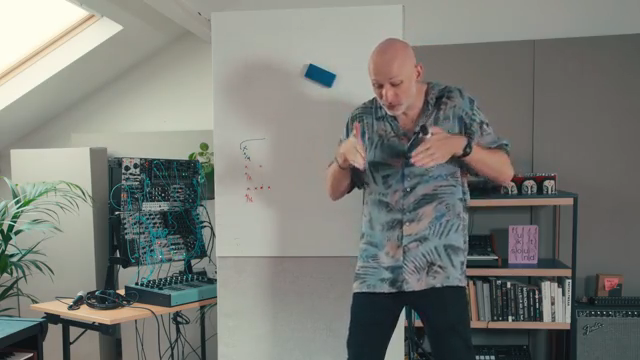
"We are leaving familiar territory here and we're zooming in on the micro cosmos of a single kick."
© Screenshot/Quote: Oscarunderdog (YouTube)
Torturing Rhythms in Software and Hardware
"When you start tweaking the length of a sound there's this push and pull and an uneasiness that your body has to try and solve."
© Screenshot/Quote: Oscarunderdog (YouTube)
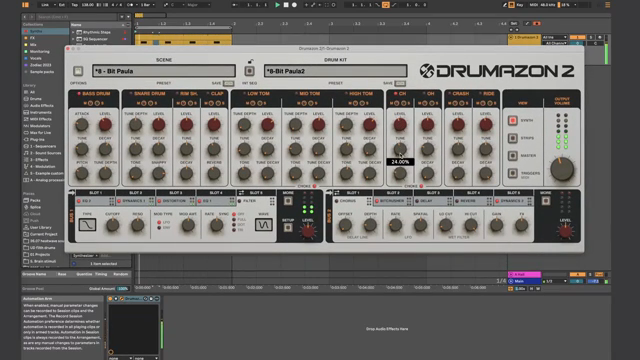
Armed with Ableton and a bit of hardware lust, Oscar dives in, showing how to shape rhythmic cells with a few well-placed hits. You get a taste for how subtle tweaks—like nudging a hi-hat or mangling a tom—can flip a groove from standard fare to something that sounds gloriously off its rocker. He’s not shy about how digital tools can get in the way, either. If your DAW makes you click ten menus deep just to tweak a tom, you’re missing the point. This is about immediacy and the joy of raw, hands-on knob fiddling.
He throws in a love letter to D16’s plugins (no sponsorship, just genuine obsession), showing how an interface that lays everything bare encourages you to experiment. It’s a punk approach: less about perfect sequencing, more about what feels weird and wonderful. Oscar wants your grooves to be alive, not just mathematically correct. If you’re after sterile, radio-friendly beats, look elsewhere—here, it’s all about tension, push, pull, and the constant threat of things falling apart.
Rhythm Meets Emotion—A Proper Rave Romance
Oscar’s not content with just moving drum hits around—he’s after the emotional punch that comes from exploring these micro-rhythms. The point isn’t to make a perfectly looped bar but to find the little nudges and stumbles that make your body react, even if your brain can’t explain why. He draws parallels to jazz drumming, but don’t worry, there’s nothing polite or dinner-party about this. It’s about chasing that weird feeling when one hit lands just after another, making the groove wobble and lurch in all the right ways.
There’s a big push here for producers to get out of their heads and into their guts. Don’t just program what you think should work—mess with timing, try awkward patterns, and trust your ears (and your feet) to tell you when something feels good. The groove doesn’t need to be logical; it just needs to hit. If you’re after predictable, copy-paste loops, you’re missing the entire point—and probably the best part of techno.
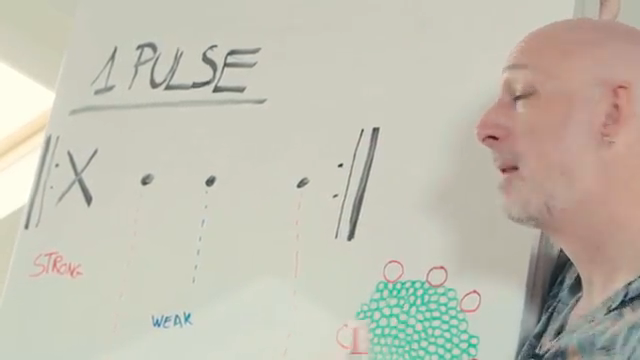
"It might be a mistake to start at one bar as a basic unit; one single pulse might be a more meaningful place to start."
© Screenshot/Quote: Oscarunderdog (YouTube)
Minimalism with Maximum Impact
It’s one thing to talk minimalism, but Oscar actually shows how to squeeze massive grooves out of almost nothing. With modular and software tricks alike, he builds example patterns that start with a basic pulse and then mutate into complex, shifting rhythms. This is where techno can get really gnarly: one simple element, pushed just right, can drive a whole track, especially once you start layering other cells and longer progressions on top.
The best part? You don’t need a roomful of gear—just a willingness to experiment and listen. Oscar’s approach is to treat even a single repeated beat as a whole world to explore. Add a melody, drop a hi-hat, yank it back out again—each move changes the feel entirely. The video’s packed with hands-on demos, but honestly, you have to watch it to really get how much groove you can wring out of such a tiny building block. Words can’t do justice to the weirdness and tension you’ll catch in the sound examples.
Going Modular: Where Chaos Becomes Art
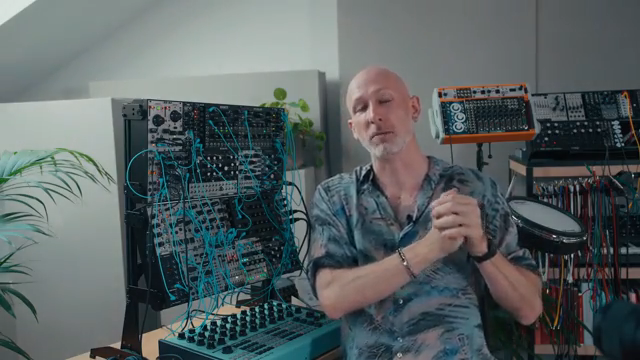
"This is not for a beginner producer; if you're a beginner producer, just make a one bar loop, you're going to have a good time."
© Screenshot/Quote: Oscarunderdog (YouTube)
To ram the point home, Oscar hauls out the modular rig and gets busy abusing a Four Bricks Rook and some percussion modules. He demonstrates how, in modular, you can twist each pulse’s length and accent in real time, creating grooves that feel like they’re about to fall over—but somehow keep you moving. If you want to see what techno sounds like when someone’s actively trying to break it, this is the section for you.
It’s a brilliant, slightly unhinged exploration of rhythm at its rawest. Oscar shows that with the right mindset, even the simplest modular setup can spawn endless variations. The lesson: you don’t need more gear, just better questions and a willingness to get your hands dirty. If you want friendly, beginner-level stuff, look elsewhere. But if you’re the sort who likes your music with a side of quantum physics and a punch in the face, this is essential viewing.
This article is also available in German. Read it here: https://synthmagazin.at/underdog-electronic-music-school-wenn-ein-puls-reicht-um-dir-das-hirn-zu-verdrehen/
More articles about these products:
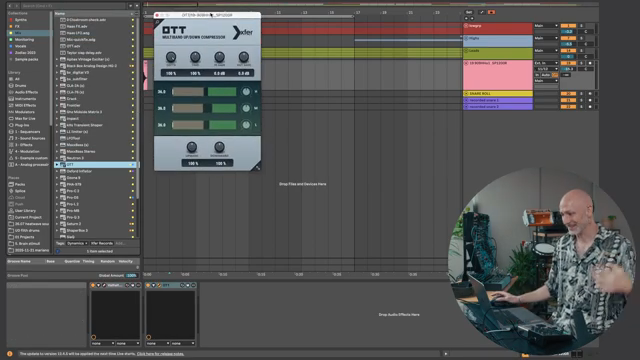 Markers That Splash: Underdog Electronic Music School’s Guide to Kickstarting Your Phrases
 Kairos as Living Sculpture: MusicRadar Tech Enters Laura Misch’s Sonic Sanctuary
 Voltage Labs: Berlin’s Sonic Mosaic – Studios, Shadows and the Pulse of Creation
 Architecting Performances: Novation Launch Control and Ableton Live Macro Workflows
 Metamyther Unleashes Shakmat’s Lancer’s Lash: Snare Mayhem for the Modular Masses
 Snare Warfare: tafony Goes Deep with the Shakmat Lancer’s Lash
 Molten Music Technology Throws Down With Shakmat Lancer’s Lash: All the Snares, None of the Fuss
 Nebula Machines: Bahadırhan Koçer and the Sonic Physics of Dub Techno
 Pick Yourself’s Hypnotic Bass Hack: Rumble Kicks Are Out, Sliding Grooves Are In
 Mad Moments & Club Tactics: Tom VR Gets Real with MusicRadar Tech
 Bonedo Synthesizers: How to Make Any Synth Scream Acid Like a 303
 LNA Does Audio Stuff: Making Beats on the Cheap with Ableton Note—Beach Edition
Watch on YouTube:
Latest articles
Watch on YouTube:
Visit the channel:
https://www.youtube.com/OscarUnderdog
https://www.youtube.com/OscarUnderdog
Links from OscarUnderdog:
underdog.brussels: https://underdog.brussels
Underdog instagram: https://instagram.com/oscarunderdog
Underdog facebook: https://facebook.com/underdogbrussels
Sponsored links:
If you purchase via these links, we may earn a small commission – at no extra cost to you. The link opens an Amazon keyword search, and results may vary depending on availability.
Ableton Live
🔗 Check price on Amazon
🔗 Check price on Amazon
Ballista Blast
🔗 Check price on Amazon
🔗 Check price on Amazon
D16 Drumazon
🔗 Check price on Amazon
🔗 Check price on Amazon
Four Bricks Rook
🔗 Check price on Amazon
🔗 Check price on Amazon
Mixel
🔗 Check price on Amazon
🔗 Check price on Amazon
Shakmat Lancer's Lash
🔗 Check price on Amazon
🔗 Check price on Amazon