Intellijel’s latest patch walkthrough is a deep dive into dub-inspired modular territory, led by Matt and a rack bristling with their own modules. This video isn’t just a product showcase—it’s a demonstration of how to wrangle subby bass, minimal drums, and tape-echo chords into a cohesive groove, all inside a single Eurorack case. Expect step-by-step routing, modulation moves, and a few sly tricks for that classic dub vibe—plus a dub siren for good measure. If you want to see how these modules actually play together in a real patch, this is as hands-on as it gets.
30. September 2026
MILES
Patch Alchemy: Intellijel Brews Dub in Eurorack
Amps, Atlantix, Aux Mix 1U, Flurry, FSR, Metropolix, Multigrain, Plonk, Quadrax, Sealegs, Stereo IO, Swells, Tangrams
Dub Modular: The Patch Concept
The video opens with a promise: a dub-inspired modular patch, stitched together entirely from Intellijel modules. Rather than sticking to a single voice or effect, the approach is broad and patch-centric—think sub-heavy bass, restrained rhythmic elements, and lashings of tape echo. The idea is less about showing off individual modules and more about how they interact in a real musical context, echoing the modular ethos of building systems rather than isolated sounds.
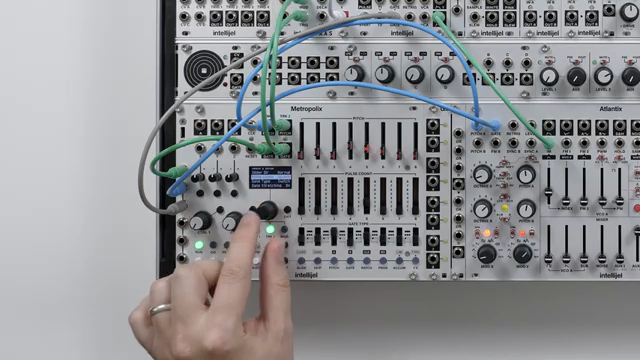
Matt wastes no time getting practical, immediately patching up a bass voice with Atlantix sequenced by Metropolix. The workflow is methodical: pitch and gate from Metropolix, careful scale selection (Phrygian mode for that moody edge), and a sine wave thickened up with drive for small-speaker presence. Even at this early stage, the focus is on shaping tone and rhythm with patching decisions, not menu-diving or preset surfing.
"We'll probably use the A sine waveform as it's nice and subby."
© Screenshot/Quote: Intellijel (YouTube)
Bass, Drums, and Tape Echo: The Core Trio
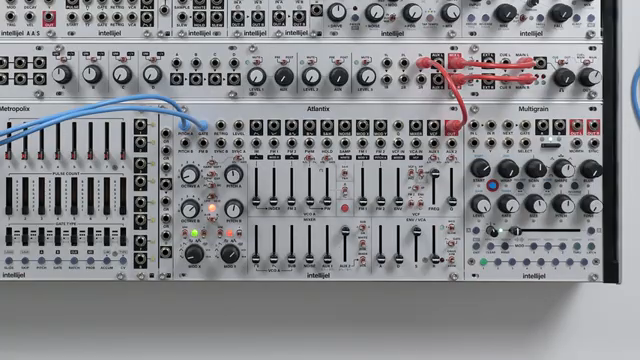
"So now we've got a steady beat, but we still have this issue of the link with the pitch sliders."
© Screenshot/Quote: Intellijel (YouTube)
Next up is the drum section, with Plonk taking the role of a minimal kit, again sequenced by Metropolix. The routing is clever: triggers and mod lanes control both the sound selection and the dynamics, with Swells providing envelope-driven level shaping and extra punch. There’s even a moment where the drums are repatched through Atlantix’s filter, which is then modulated via Quadrax—classic modular mischief for extra movement and character.
Chords follow, with Multigrain handling granular stabs that are then fed into Sealegs for cavernous, dubby echo. The signal path is deliberate: chords are shaped and tuned to match the bass, sequenced with careful gating and randomisation for variation, and then aged with Sealegs’ tape coloration, wow, flutter, and noise. The result is a classic dub palette, but built entirely from Eurorack building blocks.
Modular Synergy: Layering, Modulation, and Tape Ageing
This section is all about weaving the parts together and pushing the patch into new territory. The workflow shines when Matt demonstrates how grain triggers from Multigrain can start envelope cycles in Tangrams, which are then patched to modulate tape degradation and feedback on Sealegs. This means every new chord can introduce a fresh layer of tape age, echoing real dub studio tricks but with modular precision.
There’s also thoughtful use of randomisation and modulation: start points for grains are varied, envelope shapes are alternated, and modulation lanes on Metropolix bring dynamic movement into the sequence. The patching isn’t just for show—it’s about creating a system that morphs over time, with subtle or dramatic changes emerging from the interplay of envelopes, LFOs, and sample-and-hold circuits.
Editorially, this is where Intellijel’s approach shines. The modules aren’t locked into single roles; filters become drum processors, envelopes shape tape coloration, and the mixer is used as a live performance tool. It’s a demonstration of modular as a living, evolving instrument, not just a collection of discrete voices.
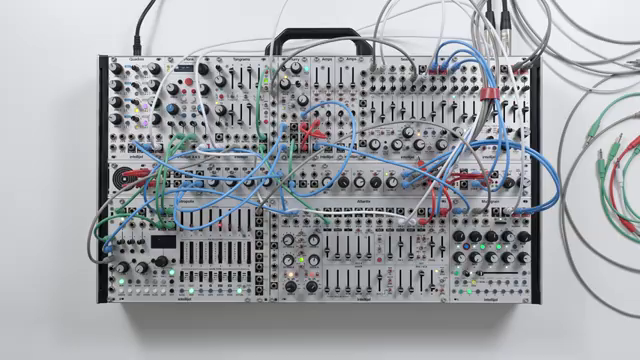
"You can hear get more unstable as time goes on."
© Screenshot/Quote: Intellijel (YouTube)
Dub Sirens & Performance Tools: The Final Touches
No dub patch would be complete without a siren, and here Flurry (set to Freakbox mode), FSR, and Quadrax are combined for a classic effect. The signal is routed through Amps for VCA control, with slew limiting and morph modulation applied for more expressive, evolving sounds. There’s a mix of manual control (via FSR) and automated variation, bringing performability into the rig.
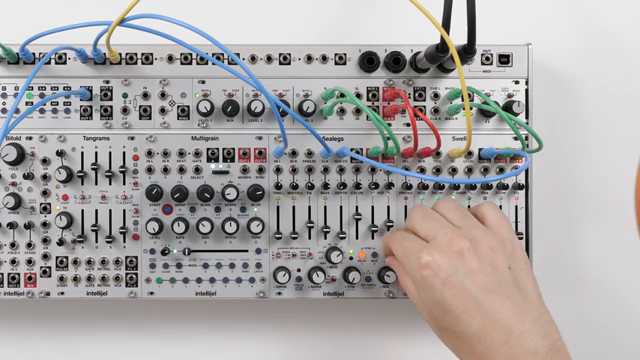
Lastly, the video showcases how auxiliary mixing and performance gestures—like triggering reverb swells or sending elements through delay in real time—transform the patch from a static setup into a live instrument. The sum is more than its parts: this is a modular system that invites interaction and rewards experimentation, right down to the last cable.
This article is also available in German. Read it here: https://synthmagazin.at/patch-alchemie-intellijel-mixt-dub-im-eurorack/
More articles about these products:
 Intellijel’s Techno Rumble: Swells, Plonk and Modular Mayhem
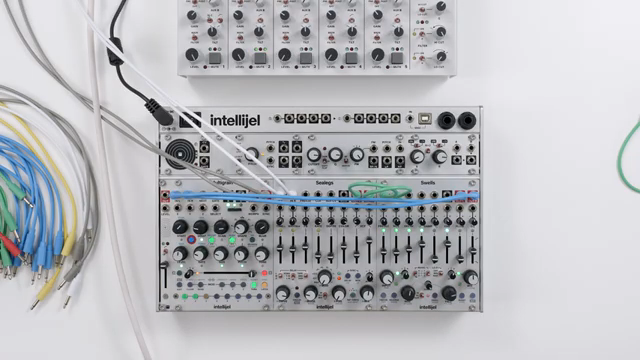 Intellijel Multigrain: Granular Resampling Mayhem in Eurorack
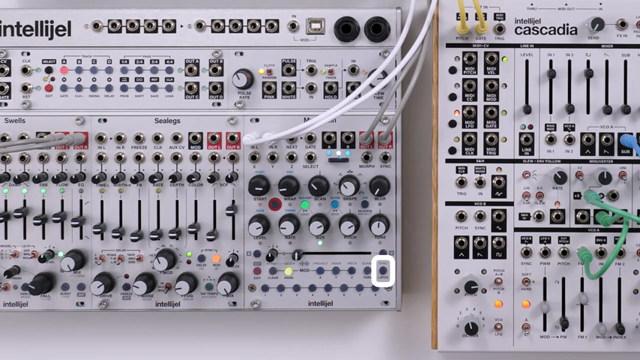 Intellijel Multigrain: Granular Delay Tactics in a Modular Playground
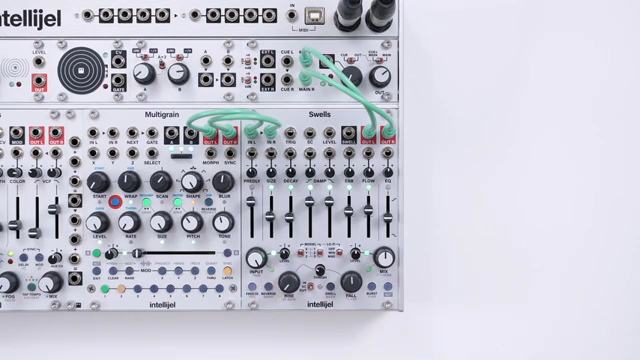 Intellijel Swells: Momentary FX, TRIG Magic and Routing Revelations
 Metamyther Unleashes the Four Seas: Wavetable Mayhem from Ferry Island Modular
 Intellijel’s Atlantix: A Modular Techno Loop Generator in Action
 Frap Tools: Tim Davies on Modular Jazz, House, and the Art of the Patch
Watch on YouTube:
Latest articles
Watch on YouTube:
Visit the channel:
https://www.youtube.com/intellijel
https://www.youtube.com/intellijel
Links from intellijel:
website: https://intellijel.com
forum: https://forum.intellijel.com
instagram: https://instagram.com/intellijel
facebook: https://www.facebook.com/intellijel
Sponsored links:
If you purchase via these links, we may earn a small commission – at no extra cost to you. The link opens an Amazon keyword search, and results may vary depending on availability.
Amps
🔗 Check price on Amazon
🔗 Check price on Amazon
Atlantix
🔗 Check price on Amazon
🔗 Check price on Amazon
Aux Mix 1U
🔗 Check price on Amazon
🔗 Check price on Amazon
Flurry
🔗 Check price on Amazon
🔗 Check price on Amazon
Metropolix
🔗 Check price on Amazon
🔗 Check price on Amazon
Multigrain
🔗 Check price on Amazon
🔗 Check price on Amazon
Plonk
🔗 Check price on Amazon
🔗 Check price on Amazon
Quadrax
🔗 Check price on Amazon
🔗 Check price on Amazon
Sealegs
🔗 Check price on Amazon
🔗 Check price on Amazon
Stereo IO
🔗 Check price on Amazon
🔗 Check price on Amazon
Swells
🔗 Check price on Amazon
🔗 Check price on Amazon
Tangrams
🔗 Check price on Amazon
🔗 Check price on Amazon