Intellijel’s Multigrain module takes centre stage in a deep-dive video exploring its resampling prowess for ambient sound design. The official walkthrough demonstrates how you can layer, mangle and re-granulize everything from synth drones to guitar, vocals and more, all within the module itself. With live patching and a parade of external sources, the video lays out how resampling turns Multigrain into a texture machine for the modern modular rack. Expect patch tips, feedback mishaps and a touch of dry humour along the way.
4. July 2026
MILES
Intellijel Multigrain: Granular Resampling Mayhem in Eurorack
Jellymix, MEMS Mic 3U, Multigrain, Sealegs, SVF 1U, Swells, VCO 1U
Granular Alchemy: Multigrain’s Approach to Ambient Resampling
The video opens with a clear focus: using Intellijel’s Multigrain module to explore the creative possibilities of resampling in modular ambient music. The resampling function lets you internally record the module’s own output—including any granular manipulation or modulation currently active—which is an open invitation to recursive sonic experimentation.
The presenter’s patching philosophy is immediately on display, aiming to transform basic sources into complex textures by capturing, manipulating, and then re-capturing sounds. This iterative approach means that each pass through Multigrain becomes more abstract, rich and unpredictable, rapidly departing from the original input. The workflow is especially suited for those who like to chase happy accidents, rather than just replaying static samples.
Core Features: Capturing, Granulizing and Layering
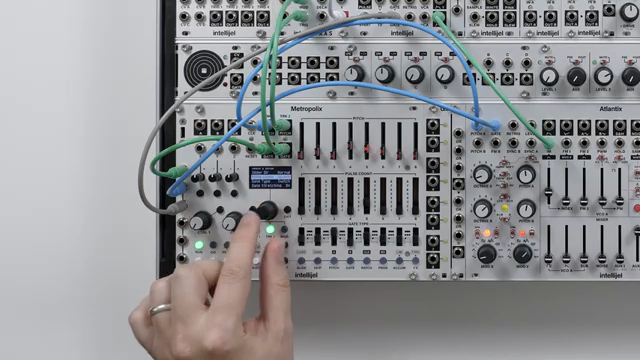
Key Multigrain features are demonstrated straight away: the ability to record live audio, tweak granular parameters on the fly, and then resample the results internally. The module’s controls—such as pitch randomization, grain size and rate, and the all-important wrap and scan settings—are all shown in action, providing direct access to micro-level sound sculpting.
The video highlights how resampling captures not just the static sound, but also modulation, morphing and effects applied to the grains themselves. Users can layer new recordings over previous ones, effectively building up evolving pads, washes and textures as each new sample becomes fodder for further granulation. The workflow encourages playfulness—try a pitch sweep here, randomize the grains there, and see what emerges on the next pass.
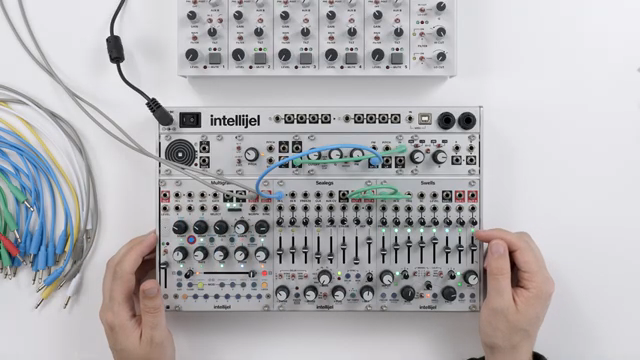
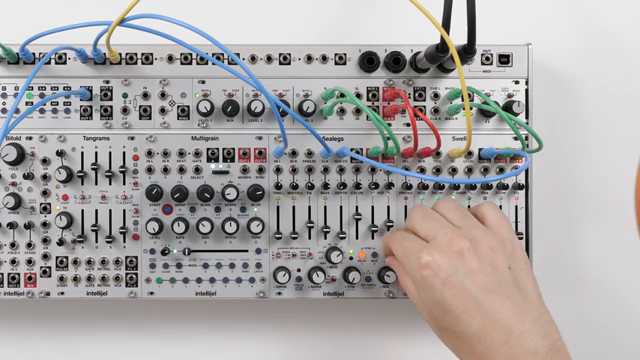
"This includes all the granular settings and sounds, any movements that I make, the blur effects and the audio inputs when through is enabled."
© Screenshot/Quote: Intellijel (YouTube)
Patch Buffet: Synth, Guitar, Kalimba and Vocals on the Granular Menu
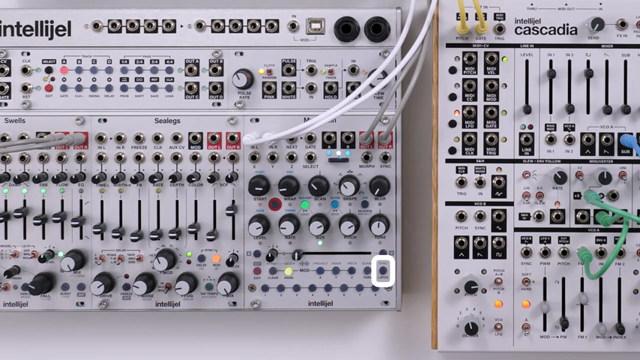
"Okay let's check it out, oh yeah this is cool."
© Screenshot/Quote: Intellijel (YouTube)
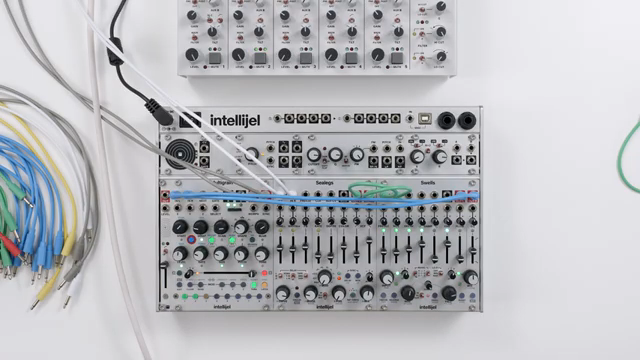
A highlight of the video is the parade of source material. The Multigrain first chews on a classic modular drone, built from a VCO and SVF running through Intellijel’s Sealegs and Swells for stereo delay and reverb. This establishes a lush foundation, but things quickly escalate as a guitar is plugged in, processed, and resampled—no virtuosity required, just a willingness to experiment.
Subsequent iterations introduce new timbres: kalimba via MEMS Mic 3U, vocal hums, and even feedback-laden effects from Swells. Each input is treated as a new layer, demonstrating Multigrain’s appetite for diverse sounds and its ability to mash them into evolving ambient textures. The process is refreshingly unscripted—mistakes, feedback loops and surprising moments are embraced as part of the creative journey.
Eightfold Path: Filling the Sound Buttons with Textural Oddities
The video’s central experiment is to fill all eight of Multigrain’s sound buttons with resampled, increasingly processed material. Each layer involves a fresh take—sometimes stripping back the reverb, sometimes clock-syncing the grains, or simply randomizing parameters outright. The intention is to see just how far resampling can push a patch before it becomes unrecognizable.
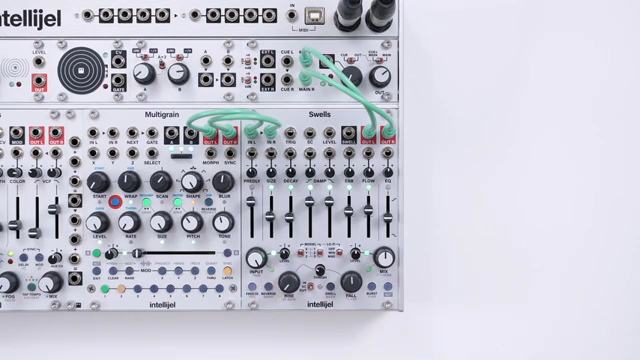
By the end, the module is running a patchwork of textures: stereo movements, blurred grains, clocked rhythms and unexpected artefacts. A final recap underscores how resampling can be used not only to fill memory slots but also to invent new ambient instruments from whatever audio you have lying around. This workflow rewards curiosity, and Multigrain’s interface seems designed to invite happy chaos rather than clinical perfection.
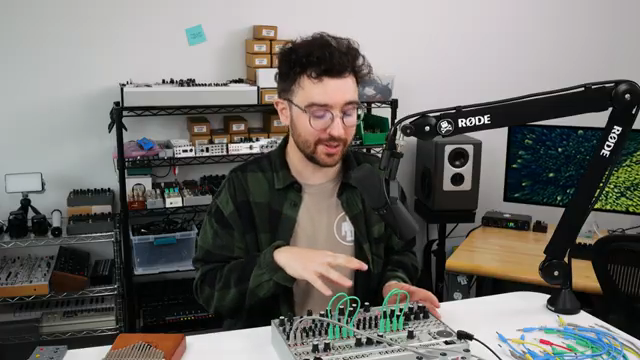
"it's a great way to fill up your sound buttons at the very least but you can take sound sources, granulate them, resample them, introduce new sounds while the granular ones are playing"
© Screenshot/Quote: Intellijel (YouTube)
This article is also available in German. Read it here: https://synthmagazin.at/intellijel-multigrain-granulares-resampling-chaos-im-eurorack/
More articles about these products:
Watch on YouTube:
Latest articles
Watch on YouTube:
Visit the channel:
https://www.youtube.com/intellijel
https://www.youtube.com/intellijel
Links from intellijel:
website: https://intellijel.com
forum: https://forum.intellijel.com
instagram: https://instagram.com/intellijel
facebook: https://www.facebook.com/intellijel
Sponsored links:
If you purchase via these links, we may earn a small commission – at no extra cost to you. The link opens an Amazon keyword search, and results may vary depending on availability.
Jellymix
🔗 Check price on Amazon
🔗 Check price on Amazon
MEMS Mic 3U
🔗 Check price on Amazon
🔗 Check price on Amazon
Multigrain
🔗 Check price on Amazon
🔗 Check price on Amazon
Sealegs
🔗 Check price on Amazon
🔗 Check price on Amazon
SVF 1U
🔗 Check price on Amazon
🔗 Check price on Amazon
Swells
🔗 Check price on Amazon
🔗 Check price on Amazon
VCO 1U
🔗 Check price on Amazon
🔗 Check price on Amazon