If your tracks change sections like a busted subway car—clunky, awkward, and full of weird pauses—Andrew Huang’s latest video is your ticket to smoother rides. The Canadian groove wizard drops 25 rapid-fire tips for song transitions that’ll make your beats glide like butter on a hot pancake. From risers and whooshes to silence that hits like a punchline, Andrew’s playful, genre-bending style shines through every second. Whether you’re a bedroom beatmaker or a club kid with Ableton scars, this one’s packed with tricks that’ll have your next track flowing smoother than cheap beer at a block party.
5. May 2026
RILEY
Andrew Huang’s 25 Transition Hacks: Song Flow That Slaps Harder Than a Hi-Hat Stack
Flow State: Why Transitions Matter
Let’s be real—nobody wants their song to sound like it’s stitched together with duct tape and hope. Andrew Huang kicks things off by making it clear: transitions are the secret sauce that turn a collection of loops into an actual track. He’s not here to bore you with textbook theory; he’s dropping practical, streetwise advice that’ll keep your listeners hooked from intro to outro.
Andrew’s approach is all about keeping the energy moving. He’s got that signature playful vibe, but he’s dead serious about making your song flow. If you’ve ever felt your track grind to a halt between sections, this video’s got the hacks you need. And trust me, some of these tricks hit harder than a surprise drop at a warehouse rave.
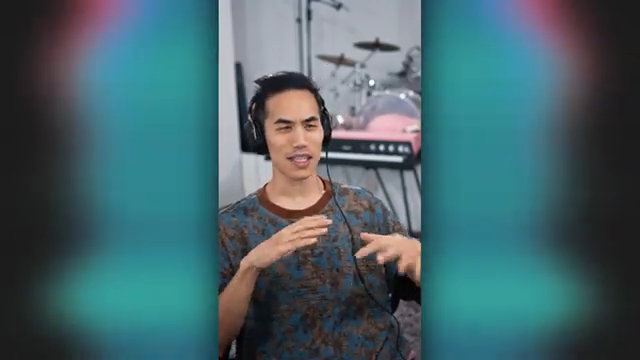
"I'm just gonna pack this video with as many tips and tricks about creating better song transitions as I possibly can."
© Screenshot/Quote: Andrewhuang (YouTube)
Risers, Whooshes, and That Extra Oomph
"It's not gonna feel like it's just the exact same thing every single time."
© Screenshot/Quote: Andrewhuang (YouTube)
First up: transitional sounds. Andrew’s all about layering risers, whooshes, and impacts to spice up your section changes. He doesn’t just slap a single sample on every drop—he mixes, matches, and stacks them for maximum effect. Sometimes it’s subtle, sometimes it’s an explosion, but it’s never boring.
He even shows off his own plugin, Transit, for dialing in custom effects chains with one macro knob. Whether you’re using samples or synthesizing your own, the key is to keep things fresh. And if you want your transitions to slap, sometimes you gotta throw in a literal explosion sound. No joke—it works. But hey, the real sauce is in how you blend and time these sounds, and that’s something you gotta see and hear in the video to really get.
Automation and Early Entrances: The Glue Between Sections
Andrew doesn’t just rely on samples—he’s big on performing transitions live and using automation to glue everything together. Playing your instrument with a little extra flair right before a new section? That’s how you make a track breathe. He demos how throwing vocals or instruments into effects like delay or filter sweeps can make transitions feel alive, not robotic.
Stacking automations is another pro move. Andrew layers distortion, delay, stereo width, and more, all riding on automation lanes. And don’t sleep on bringing in an instrument from the next section a bit early—it’s a classic trick that makes everything feel cohesive. If you want to see how wild these automations can get, you gotta peep the video. Watching Andrew twist that macro knob is more satisfying than finding twenty bucks in your old jeans.
"One of the main issues I spot in people's productions when they're just starting out is that song sections feel very mechanical."
© Screenshot/Quote: Andrewhuang (YouTube)
Audio Manipulation: Flipping the Script
Now we’re getting into the deep cuts. Andrew dives into manipulating audio itself—printing effects, chopping, reversing, and even flipping reverb tails for that classic pre-drop swell. He’s not afraid to get his hands dirty, running tracks through guitar pedals or resampling inside the DAW for extra grit.
These tricks give your transitions a unique flavor you won’t find in any sample pack. Time-stretching, pitch automation, and creative fades all add character. But let’s be real, trying to explain the vibe of a reversed reverb in text is like describing the taste of street tacos—you gotta experience it. The video’s packed with these moments, so don’t just read about it, go watch and catch the sauce firsthand.
Silence and Endings: The Power Move
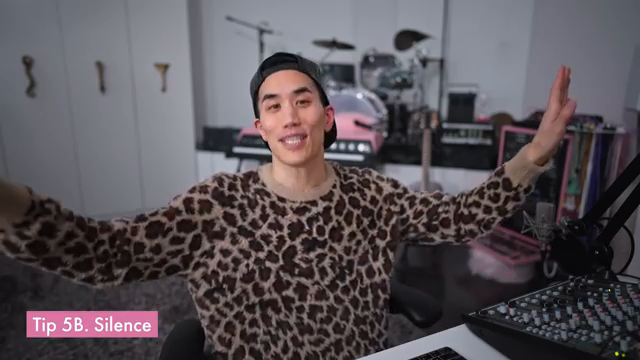
"Silence is a huge punctuator."
© Screenshot/Quote: Andrewhuang (YouTube)
Here’s a tip that’s criminally underrated: sometimes the best transition is just taking stuff away. Andrew shows how muting drums, bass, or even everything for a split second can make the next section hit way harder. Silence isn’t just empty space—it’s tension, anticipation, and release all rolled into one.
He wraps up by talking about intentional endings and letting transitions spill over the bar line for extra drama. Combining these tricks is where the real magic happens. If you want to hear how Andrew’s own tracks use these moves, the video’s got all the juicy examples. Trust me, your next beat will thank you for it.
This article is also available in German. Read it here: https://synthmagazin.at/andrew-huangs-25-transition-hacks-song-flow-der-haerter-knallt-als-ein-hi-hat-stapel/
More articles about these products:
 Architecting Performances: Novation Launch Control and Ableton Live Macro Workflows
 Nebula Machines: Bahadırhan Koçer and the Sonic Physics of Dub Techno
 Pick Yourself’s Hypnotic Bass Hack: Rumble Kicks Are Out, Sliding Grooves Are In
 Mad Moments & Club Tactics: Tom VR Gets Real with MusicRadar Tech
 Bonedo Synthesizers: How to Make Any Synth Scream Acid Like a 303
 LNA Does Audio Stuff: Making Beats on the Cheap with Ableton Note—Beach Edition
 Andrew Huang’s Remix Rodeo: Four Producers, One Song, Total Mayhem
 MusicRadar Tech Unleash Ableton Beat Repeat: From Lazy Slicer to Glitch Mayhem
 Pick Yourself Makes Echo Bang: Delay as Synth Weapon
 Underdog Electronic Music School: Don’t Let Your Beats Collect Dust
 Polyend Play+ in the Hot Seat: Nu-Trix The Synth Guy Gets Real
 Reason Rack Unleashed: TAETRO Turns Software into a Sonic Street Weapon
Watch on YouTube:
Latest articles
Watch on YouTube:
Visit the channel:
https://www.youtube.com/andrewhuang
https://www.youtube.com/andrewhuang
Links from andrewhuang:
Instagram: https://instagram.com/andrewismusic
Facebook: https://facebook.com/andrewismusic
Bandcamp: https://andrewhuang.bandcamp.com
My plugin: https://babyaud.io/transit
My book: https://andrewhuang.com/book
My online class: https://studio.com/andrew
Flip Sampler: https://flipsampler.com
Join my Patreon: https://patreon.com/andrewhuang
Join my Discord: https://discord.gg/Fu8zwbFQAa
Sponsored links:
If you purchase via these links, we may earn a small commission – at no extra cost to you. The link opens an Amazon keyword search, and results may vary depending on availability.
Ableton Live
🔗 Check price on Amazon
🔗 Check price on Amazon
Baby Audio Transit
🔗 Check price on Amazon
🔗 Check price on Amazon
Guitar pedals
🔗 Check price on Amazon
🔗 Check price on Amazon