Akai Professional presents the AIR Stereophonic Enhancer, a mastering processor designed to bring out depth, space, and width in mixes while preserving mono integrity. In this detailed walkthrough, Akai demonstrates how the plugin enhances drums, buses, and full mixes with subtle but effective mid/side processing, harmonics, and “air”. The focus is on musical cohesion and polish—never heavy-handed, always studio-ready. We examine the core features, workflow, and how it integrates into the MPC ecosystem and beyond.
2. September 2026
LYRA
Akai Professional’s Stereophonic Enhancer: In-Depth Stereo Polish for MPC and Beyond
Meet the Stereophonic Enhancer
Akai Professional introduces the AIR Stereophonic Enhancer as part of the Stereophonic Bundle, targeting the final stage of your mix. Positioned as a mastering and bus processor, it’s designed to inject depth, width, and a sense of space, all while keeping mono compatibility and transparency intact.
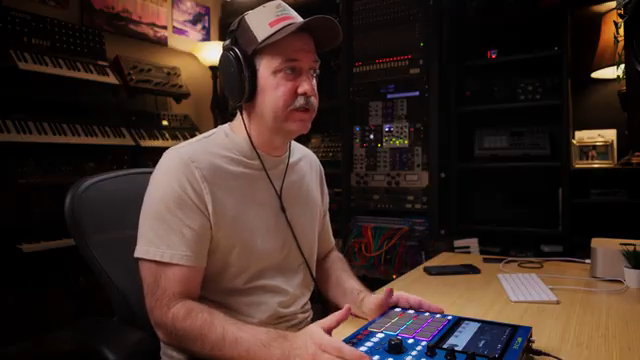
The video sets the stage by muting all tracks except for drums and routing them to a submix, immediately demonstrating the plugin’s impact. The Stereophonic Enhancer is not portrayed as a corrective tool or problem-solver, but as a musical sweetener to give mixes that polished, finished feel.
Core Features: Mid/Side, Glue, Harmonics, and Air
The plugin centers around several key parameters: Sub, Glue, Harmonics, and Air. The Sub control allows you to target low-frequency enhancement, with frequency points modeled after classic Pultex EQs. This section is subtle, adding weight and depth without overwhelming the mix, and is particularly effective at 40 or 75Hz for sub bass enhancement. Notably, when all controls are at 0%, the processor is intended to be transparent, ensuring no unintended coloration.
Glue, Harmonics, and Air each perform distinct sonic roles. Glue introduces gentle mid/side compression to tighten and unify the stereo image, instantly adding cohesion. Harmonics offers third and fifth order harmonic coloration—tape-style, yet clean—enriching the signal without overt distortion. Air lifts high-frequency content, with selectable frequency centers, injecting shimmer and openness. Each parameter can be dialed in subtly or more assertively, but the overall design avoids harshness or heavy-handedness.
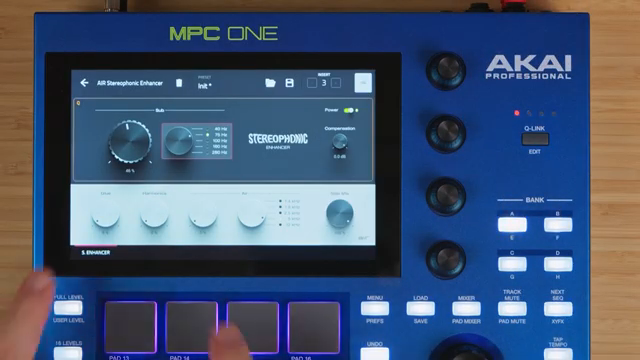
"The Sub section adds depth and weight to your mix, and it's very subtle."
© Screenshot/Quote: Akai Pro (YouTube)
In Action: Submixes and Cohesion Without Overkill

"It gave it more glue, more weight, more depth, more stereo image."
© Screenshot/Quote: Akai Pro (YouTube)
The walkthrough demonstrates the Stereophonic Enhancer across drum submixes and then expands to include bass, guitar, and harmony vocals. By toggling bypass and engaging various presets like Drum Bus Enhancer, Bus Glue, and Fat and Wide, the presenter highlights how the plugin brings forward elements in the mix, enhancing presence and polish without tipping into artificiality.
The controls are navigated in real time, from adjusting sub frequencies to blending in glue and harmonics. Subtle increases add both excitement and weight, while the air parameter adds a tasteful shimmer. Critically, the plugin is shown to maintain the integrity of the mix—never collapsing phase or making things sound brittle, even as it increases stereo width and detail.
Master Bus Sweetening and Side Mix Control
Akai emphasizes the intended role of the Stereophonic Enhancer as a sweetening processor for master and group buses. It’s not designed to fix problematic tracks—rather, it’s the finishing touch that adds glue, space, and depth before final limiting. The plugin’s compensation knob lets users maintain level-matched A/B comparisons by offsetting any gain introduced by the effect.
A key workflow feature is the side mix blend, which lets you dial in the amount of processed versus dry signal for the glue, harmonics, and air sections (excluding Sub). This allows for nuanced balancing of enhancement, preventing over-processing and potential stereo artifacts. The video demonstrates how careful use of the side mix can yield a polished, record-like feel, especially when applied before a soft clipper or limiter.
Versatility Across MPC and DAW Environments
The Stereophonic Enhancer is fully compatible with MPC Standalone, MPC Desktop, and all major DAWs, offering flexibility for a range of production setups. While it can technically be used on mono sources, Akai makes clear that its real strength lies in stereo applications—master buses, groups, and submixes—where its subtle enhancements can truly shine. This versatility ensures the plugin feels equally at home in DAWless rigs, hybrid studios, and traditional in-the-box workflows.
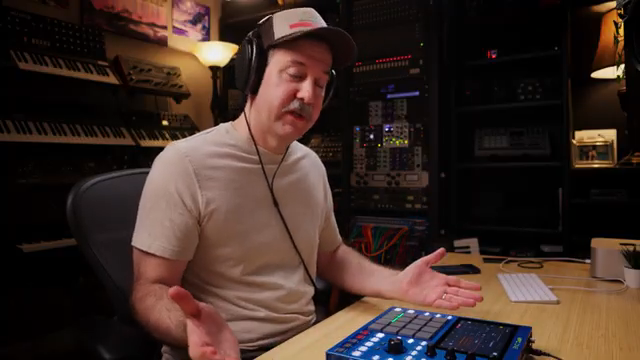
"You're going to get the most bang out of your buck for processing stereo signals, submixes and master buses."
© Screenshot/Quote: Akai Pro (YouTube)
This article is also available in German. Read it here: https://synthmagazin.at/akai-professional-stereophonic-enhancer-praezises-stereo-finishing-fuer-mpc-und-mehr/
More articles about these products:
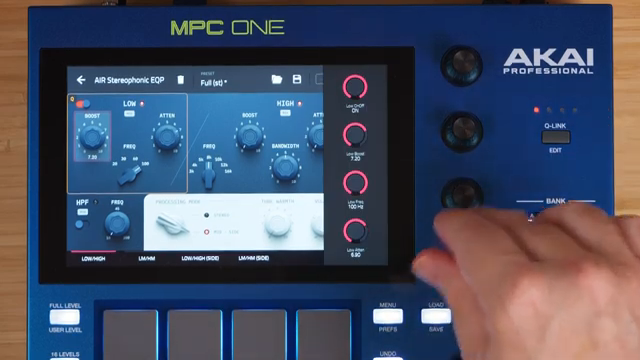 Tefty Music Tech Drops the Pultec: MPC Users Get That Classic Slap
 Akai Professional’s Fabric Vintage CS: A Digital Homage to Polysynth Legends
 Voltage Labs: Jennifer Loveless and the Art of Sonic Shedding
 Akai Professional AIR Tape Double Track: Vintage Double-Tracking, Modern MPC Workflow
 Akai Professional Ups the Game: MPC Pro Pack Deep Dive
 Groove Box Magic with jonmakesbeats
 malobeats and the MPC 3.0: A Love/Hate Beat Affair
Watch on YouTube:
Latest articles
Watch on YouTube:
Visit the channel:
https://www.youtube.com/Akai_Pro
https://www.youtube.com/Akai_Pro
Links from Akai_Pro:
website: https://akaipro.com
instagram: https://instagram.com/akai_pro
facebook: https://www.facebook.com/AkaiPro
twitter: https://twitter.com/akai_pro
google_plus: https://plus.google.com/107127819149441645522/posts
Sponsored links:
If you purchase via these links, we may earn a small commission – at no extra cost to you. The link opens an Amazon keyword search, and results may vary depending on availability.
AIR Stereophonic Enhancer
🔗 Check price on Amazon
🔗 Check price on Amazon