Woody Piano Shack dives into the KORG Minilogue XD and lays down five (well, six) reasons why this synth still packs a punch in 2024. If you think this box is just another pretty face, think again – Woody’s no-nonsense approach slices through the fluff, showing off the XD’s build, sound design muscle, and those tasty effects. Expect sharp opinions, hands-on demos, and a few curveballs for the synth snobs. If you’re after a compact weapon for your sonic arsenal, this one’s worth a look – but don’t blink, or you’ll miss the dirty details only the video can deliver.
10. May 2026
SPARKY
Woody Piano Shack’s Minilogue XD: Five Reasons This Synth Still Slaps
Arturia MiniFreak, Hydrasynth Explorer, Korg Minilogue XD, Roland GAIA 2
Pocket-Sized Power: The Minilogue XD’s Build
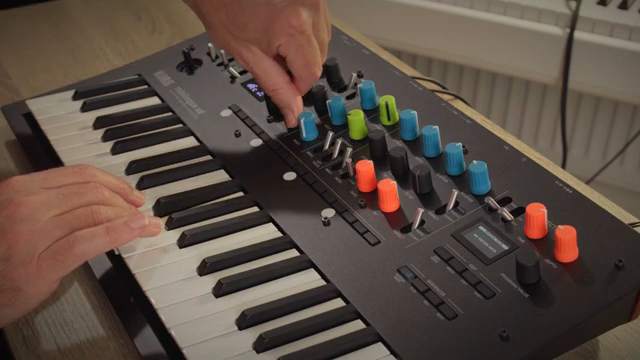
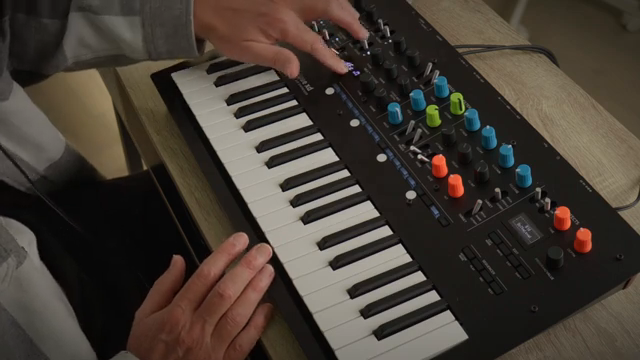
Let’s kick off with the obvious: the KORG Minilogue XD nails the sweet spot between portability and playability. Woody Piano Shack wastes no time praising its three-octave keyboard, which sits comfortably between mini and full-size – none of that toy synth nonsense here. The keys feel solid, and the aluminium control panel with a wooden rear screams quality, not cheap plastic.
This isn’t just a looker; the build is robust enough for gigging and studio abuse alike. Woody’s hands-on style makes it clear: whether you’re a synth newbie or a grizzled knob-twiddler, the XD’s form factor and tactile controls are a win. It’s the kind of synth you can actually take to a gig without worrying it’ll fold like a paper plane.
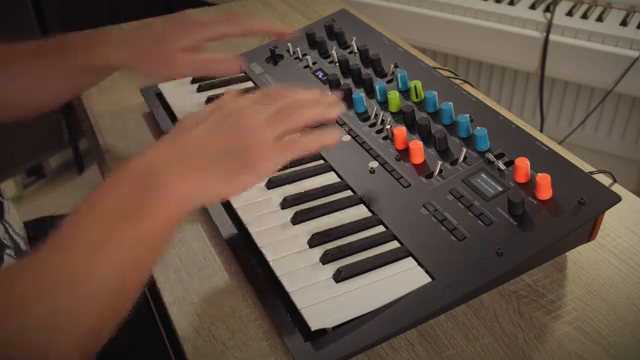
"The control panel also is glorious, made in aluminium and around the back we have a wooden panel and everything just feels absolutely fantastic."
© Screenshot/Quote: Woodypianoshack (YouTube)
Oscillator Playground: Analogue, Digital, and Beyond
"Some interesting effects, but even more interestingly we have a user section where I can load in custom user waveforms developed by third party oscillator developers."
© Screenshot/Quote: Woodypianoshack (YouTube)
Here’s where things get juicy. The Minilogue XD rocks two analogue VCOs plus a digital oscillator, giving you a buffet of sound options. Woody walks through the basics – classic waveforms, shape controls for endless timbral tweaks, and the ability to blend all three oscillators for thick, evolving sounds. But the real kicker? The digital oscillator isn’t just a side dish; it brings wavetable, noise, and a user section for custom waveforms.
You can load in third-party oscillators or even code your own if you’re feeling brave (or masochistic). Woody points out there’s a whole underground of user-made oscillators, some free, some paid, all ready to mutate your patches. Want a drum synth, granular textures, or something totally bonkers? The XD’s open architecture means you’re only limited by your curiosity and coding skills. This is proper synth hacker territory.
One Knob, One Function: Control Panel Zen
Woody’s third reason is all about workflow, and he’s not wrong: the Minilogue XD’s control panel is a dream for hands-on freaks. Everything’s laid out in a logical, left-to-right flow, with dedicated knobs for every key function. No menu-diving, no cryptic button combos – just pure, immediate control.
Even the modded green knobs get a shout, making it dead easy to spot the filter section in a dark club or cluttered studio. This is the kind of interface that begs you to experiment, twist, and mangle sounds on the fly. If you want to get lost in a menu maze, look elsewhere – the XD is built for real-time fun.

"The control panel is very logically laid out, very easy to understand and use."
© Screenshot/Quote: Woodypianoshack (YouTube)
FX That Actually Matter: Depth, Texture, and Grit
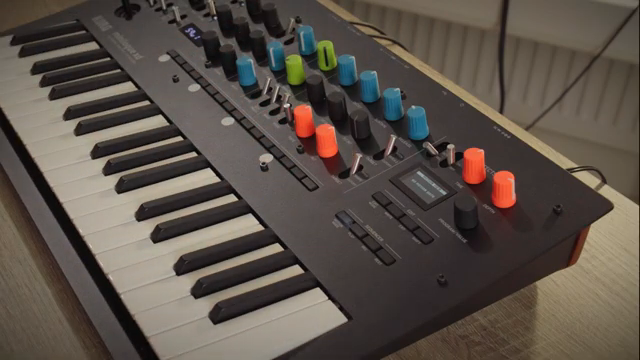
"Reason four is the powerful, fun and easy to use pattern sequencer."
© Screenshot/Quote: Woodypianoshack (YouTube)
Onboard effects are usually an afterthought, but not here. Woody dives into the XD’s modulation, reverb, and delay sections, showing how each one adds serious character to your patches. You get chorus, phaser, flanger, and more – all tweakable with proper hands-on controls. The reverb isn’t just a token wash; it’s lush, with multiple types to suit everything from ambient pads to gritty leads.
Best bit? You can stack all three effects at once, turning a basic patch into a full-blown sonic monster. Woody’s demo makes it clear: these aren’t just box-ticking features, they’re genuinely usable in a track. If you want to hear the full impact, though, you’ll need to catch the video – words can’t do justice to the filth and shimmer the XD can spit out.
The Competition: Why the XD Still Wins
Woody doesn’t shy away from the alternatives, and neither will I. He namechecks the Roland Gaia 2, Hydrasynth Explorer, and Arturia MiniFreak as worthy rivals, each with their own strengths. But here’s the rub: none of them tick all the boxes the XD does – especially when it comes to that hybrid oscillator setup and user waveform import.
Sure, the MiniFreak’s sequencer might edge out the XD’s, and the Gaia offers more polyphony, but the Minilogue XD’s blend of hands-on control, build quality, and sound-shaping flexibility still puts it at the front of the pack. If you want a synth that’s as fun to play as it is to hack, the XD’s still the street weapon to beat.
This article is also available in German. Read it here: https://synthmagazin.at/woody-piano-shack-und-der-minilogue-xd-fuenf-gruende-warum-dieser-synth-immer-noch-knallt/
More articles about these products:
 The Unperson Unleashes the MiniFreak 5.0 Update: Sample Mayhem and Wavetable Chaos
 A Studio of Sonic Memory: synth4ever Journeys through Devin Belanger’s Ambient Sanctuary
 Macro Mayhem: Bloom Music Unleashes the Minilogue XD’s Secret Weapon
 Sanjay C Throws Down: Spotify Outs AI Fakes & Blackbox 2 Goes Rogue
 Andrew Huang’s Remix Rodeo: Four Producers, One Song, Total Mayhem
 Loop Liberation: The Unperson vs. The Eternal 8-Bar Trap
 Woody Piano Shack’s Gear Bloodbath: Tier Rankings, Regrets, and $1,000 Down the Drain
 Vulture Culture Throws Down: Can You Really Not Hear the Difference in a Mix?
 Venus Theory’s OS Cage Match: Mac Neo vs Raspberry Pi 5 for Music Production
 Nu-Trix The Synth Guy Unleashes the Syntakt TwinShot: Double-Barrel Sample Mayhem
 Sonic Blueprints: Sanjay C Journeys Through Teddy Riley’s Nebula
 Woody Piano Shack vs. KORG Minilogue XD: Analog Grit Meets Digital Tricks
Watch on YouTube:
Latest articles
Watch on YouTube:
Visit the channel:
https://www.youtube.com/WoodyPianoShack
https://www.youtube.com/WoodyPianoShack
Links from WoodyPianoShack:
Website: https://woodypianoshack.com
Patreon: https://patreon.com/woodypianoshack
Twitter: https://twitter.com/woodypianoshack
Instagram: https://instagram.com/woodypianoshack
Facebook: https://facebook.com/woodypianoshack
Sponsored links:
If you purchase via these links, we may earn a small commission – at no extra cost to you. The link opens an Amazon keyword search, and results may vary depending on availability.
Arturia MiniFreak
🔗 Check price on Amazon
🔗 Check price on Amazon
Hydrasynth Explorer
🔗 Check price on Amazon
🔗 Check price on Amazon
Korg Minilogue XD
🔗 Check price on Amazon
🔗 Check price on Amazon
Roland GAIA 2
🔗 Check price on Amazon
🔗 Check price on Amazon