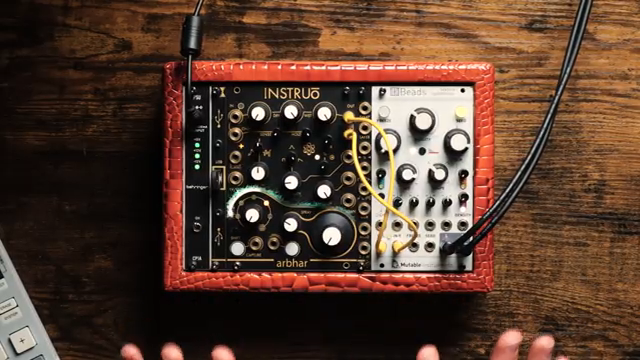
Forget sprawling modular jungles—The Unperson drops a 40HP Eurorack that slices, dices, and spits out lush granular madness. Packing the Instruō Arbhar and Mutable Instruments Beads into a tight rack, this is a rave bunker in a shoebox. If you think granular is just for ambient noodles, think again. This video’s all about twisted textures, live processing, and proving you can start a sonic riot with just two modules. Minimal case, maximum chaos.
3. August 2026
SPARKY
The Unperson’s 40HP Granular Street Weapon: Small Case, Massive Sound
Arturia Keystep, Instruō Arbhar, Mutable Instruments Beads, Oxi One, Teenage Engineering OP-1
Granular Demystified in a Shoebox
Granular synthesis often gets the reputation of being mysterious or requiring a spaceship-sized setup, but The Unperson slices through the fog with a 40HP rack that’s all business. Granular here means chopping audio into tiny grains, then flinging them around for textures that range from lush pads to noisy chaos. The video wastes no time showing how simple it is to start mangling your own voice with Arbhar—just talk, set the onset detection, and you’re in glitch city.
With the Arbhar’s internal mic and Beads’ texture wizardry, even a dull sample turns into something deep, weird, and atmospheric. The Unperson doesn’t over-explain—he just dives in, tweaking controls like intensity, spray, and length, and instantly pulls evolving soundscapes out of nowhere. If you’re after endless menus and theory, look elsewhere. This is hands-on, dirty, and fun.

"which is completely dedicated to granular synthesis."
© Screenshot/Quote: Theunperson (YouTube)
Arbhar & Beads: Tag-Team Sound Manipulation
Let’s talk modules: Instruō Arbhar and Mutable Instruments Beads are the heart and guts of this setup. Arbhar catches sound with its mic, records, layers, and spits out grains you can control and scan through. Beads, on the other hand, is less a module and more a texture factory—bring up the density and reverb, and suddenly you’re drowning in shimmering atmospheres.
The Unperson shows how you can process Arbhar’s output through Beads to double up on granular madness. These aren’t just ‘fancy sample players’—they’re performance tools. From randomising playback with spray to stacking grains in real-time, both modules let you tear up the sonic rulebook. The workflow is fast and invites chaos, exactly the way a modular jam should feel.
Live Processing: Ambient Mayhem On Tap
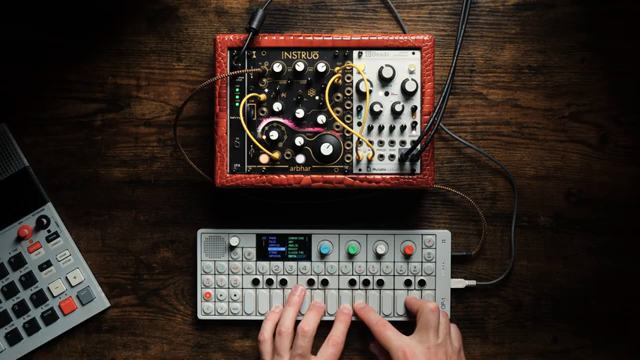
"and we can even bring in some quantization to add extra fifths and octaves."
© Screenshot/Quote: Theunperson (YouTube)
Plug in an OP-1, twist a few knobs, and suddenly you’re turning clean digital sounds into gritty, evolving clouds. The Unperson demonstrates live granular processing by running external audio through Beads, pitching grains two octaves up for instant sparkle. Freezing, scanning, and layering turns simple drones into thick, glitchy tapestries.
Arbhar’s live tricks aren’t left behind. By cleverly patching gates and capture inputs, you get a constant recording loop, letting you manipulate grain length and intensity for everything from stretched glitches to quantised melodic lines. Watching this in real time is wild—the textures shift with every nudge, and there’s always another layer to dig into. Honestly, words don’t do the crackling, shimmering detail justice—this segment alone is worth seeing just to hear how messed up you can get in under a minute.
Standalone Synth: The Little Box That Could
Who needs a DAW when your modular can go fully solo? The Unperson reveals that Beads packs a wavetable oscillator—leave the inputs unpatched and you’ve got instant drones. Layer that into Arbhar, hit capture, and you’re sampling wavetables on the fly. Switching tables, scanning through with time controls, and then mangling the results, it’s a playground for anyone who likes to break rules.
There’s more: plug in a USB controller and Arbhar goes polyphonic, letting chord mode and sampled wavetables collide. Sequencing Beads with the Oxy-1, cranking up reverb, and overlapping grains transform the whole setup into a polyphonic ambient weapon. It’s a toaster-fight of features crammed into a lunchbox, and the only limit is how weird you want to get.
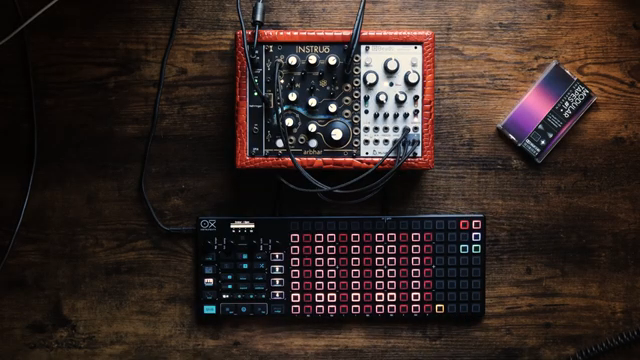
"When you leave the inputs unpatched, then it will start droning."
© Screenshot/Quote: Theunperson (YouTube)
Small Case, Big Attitude: Why Less Can Be More
The Unperson’s deep-dive isn’t just a flex on small-format modular—it’s a manifesto. With only two modules, you get a system that can process, perform, and stand alone in any studio or onstage. No filler, no wasted space, just pure granular muscle. The video hammers home that you don’t need racks of gear for massive, evolving soundscapes—just focus and the right tools.
It’s a wake-up call to anyone still chasing the biggest case: sometimes, shrinking your system gives you more reason to get creative. Watching The Unperson twist these modules in real time is inspiring, but the video leaves plenty unsaid—if you want to hear the layers and see the workflow chaos, you’ll need to watch it yourself. This 40HP setup proves that, when it comes to modular, attitude beats acreage every time.
This article is also available in German. Read it here: https://synthmagazin.at/the-unpersons-40hp-granular-street-weapon-kleines-case-fetter-sound/
More articles about these products:
 S1gns Of L1fe Modular: Modular 101 Without the Fluff
 Nebula in a Case: The Unperson’s Eurorack Ambient Machine
 OXI Instruments: Mod Lanes, Pattern Reset and the Hidden Rhythms Within
 David Hilowitz Music Illuminates the Cyma Forma ALT: A Crystal Soundscape
 Loop Liberation: The Unperson vs. The Eternal 8-Bar Trap
 SON WU Unleashes KO II Update: USB Audio and Sample Slicing Madness
 Captain Pikant Breaks Down Gorillaz’s Drum Magic – No Ivy League Needed
 Metamyther’s Modular Mayhem: Live Rig Dissected and Deconstructed
 Woody Piano Shack’s Gear Bloodbath: Tier Rankings, Regrets, and $1,000 Down the Drain
 The Unperson Unleashes the Instruo Neoni: Triangle Core Mayhem in Eurorack
 The Unperson’s Braids Banger: Mutable’s Macro Monster Still Slaps
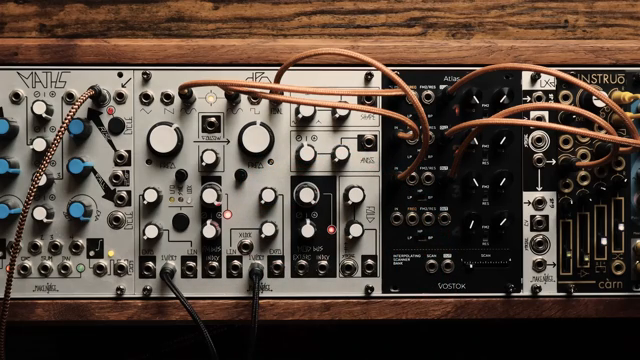 The Unperson Unleashes the DPO: Complex Oscillator or Sonic Street Weapon?
Watch on YouTube:
Latest articles
Watch on YouTube:
Visit the channel:
https://www.youtube.com/TheUnperson
https://www.youtube.com/TheUnperson
Links from TheUnperson:
patreon: https://patreon.com/theunperson
gumroad: https://theunpers0n.gumroad.com/
instagram: https://instagram.com/theunperson_
bandcamp: https://theunperson.bandcamp.com/
Sponsored links:
If you purchase via these links, we may earn a small commission – at no extra cost to you. The link opens an Amazon keyword search, and results may vary depending on availability.
Arturia Keystep
🔗 Check price on Amazon
🔗 Check price on Amazon
Instruō Arbhar
🔗 Check price on Amazon
🔗 Check price on Amazon
Mutable Instruments Beads
🔗 Check price on Amazon
🔗 Check price on Amazon
Oxi One
🔗 Check price on Amazon
🔗 Check price on Amazon
Teenage Engineering OP-1
🔗 Check price on Amazon
🔗 Check price on Amazon