Starsky Carr’s taken Serum 2 and crammed it full of vintage synth attitude—Jupiter-8 brass, Prophet-5 grit, and enough Juno chorus to drown a disco. With a Max for Live chameleon skin, he matches old-school architecture, not just waveforms. If you think all softsynths sound the same, watch this before you slag it off in the pub. This is not your dad’s Serum.
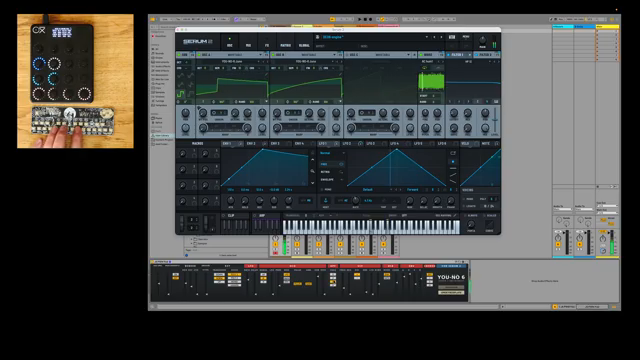
Serum 2: Vintage Synths Without the Dust
Starsky Carr jumps straight into the deep end, showing how Serum 2 isn’t just a wavetabling show-off—it can pull off convincing impersonations of some absolute legends: Jupiter-8, Prophet-5, Juno, Oberheim OB-X, and the Korg DW-8000. These aren’t just lazy presets; the approach is about getting inside the skin of these classics by matching their DNA, not just their faceplates. The core trick is using Serum’s flexibility and then boxing it in, so you’re forced to think and patch like it’s 1983 and you’re wearing leg-warmers.
The result? You start to hear sounds that make you do a double-take. Serum’s unison detune and vintage mode help pile on the wobble and attitude, and suddenly you don’t miss the wonky faders or dead keys. It’s not about perfect emulation—it’s about nailing the vibe hard enough to scare your wallet into hiding from vintage eBay listings.
Why Architecture Eats Wavetables for Breakfast
Forget just loading up a Juno waveform and calling it a day—Starsky makes it clear that the real sauce is in matching the original synth’s architecture. That means limiting yourself to one LFO, one envelope, and using simple modulation routings, just like the Juno-60. When you box yourself in like this, you end up programming differently, and that’s when the magic happens. The quirks, the limitations, the lack of a second envelope—all these things shape the sound and how you interact with it.
He even gets into details like making sure envelope times and LFO rates match the originals. It’s not about a gazillion modulation slots; it’s about feeling the constraints and using them creatively. If you want every option, go make a modular patch and fry your brain. Here, it’s about channeling the spirit of those old beasts—and honestly, that’s when Serum stops sounding like just another plugin.
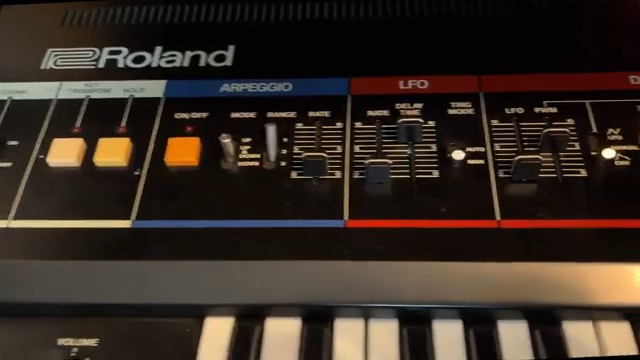
"Let’s look at the Juno-60. It’s a really basic synth. There aren’t loads of modulation options."
© Screenshot/Quote: Starskycarr (YouTube)
Max for Live Magic: YOU-NO-6 and THEPRO-5
"I can’t calibrate these exactly, but it’s fun to show."
© Screenshot/Quote: Starskycarr (YouTube)
Enter the Max for Live cavalry. Starsky showcases his custom devices that bolt classic synth workflows onto Serum. The YOU-NO-6 brings Juno-style PWM, sub-oscillator, and that lush chorus—all controllable in a way that feels like the original. You even get the Juno’s soft unison mode and detune, which, let’s be honest, is the sound of a thousand house records. And if you’re into MIDI control, you can twist these parameters in real time, just like an original panel.
Then there’s THEPRO-5, which drops Prophet-5 Poly-Mod, oscillator sync, and those unmistakable analog tones right into your DAW. Dirty major chords? Sizzling sync sweeps? It’s all here, and it actually responds like the hardware. It’s not just about making Serum sound vintage—it’s about making it behave vintage, with all the hands-on weirdness that made those synths special. You want modern flexibility but classic chaos? This is your toaster-fight.
Vintage Mode: Wonkify Your Sound
Here’s where it gets spicy. Serum 2’s vintage mode isn’t just a marketing sticker—it actually injects the kind of drift, detune, and subtle randomness that makes old synths come alive. Starsky spends a good chunk showing how switching it on makes everything less polite and a lot more fun. Suddenly, pads swirl, basses wobble, and you get that feeling that the synth might just explode if you push it too hard.
It’s not just about adding noise or slop—it’s about controlled chaos. The little imperfections, the unpredictable variations, the sense that every note is slightly different. That’s what people chase with vintage gear, and Serum 2 comes surprisingly close. But honestly, you have to hear it yourself—screen text won’t make your speakers wobble.
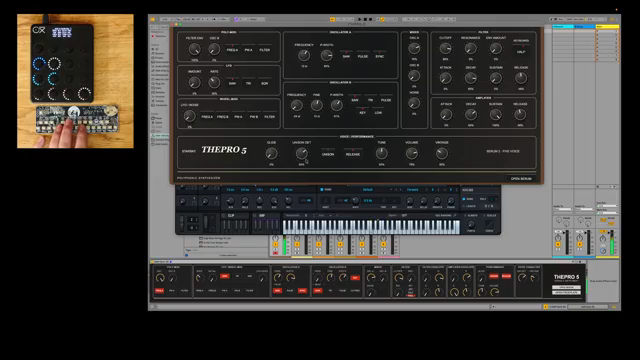
"Vintage mode: adding analogue-style variation."
© Screenshot/Quote: Starskycarr (YouTube)
Sound Demos: From Polite to Pure Filth
Starsky lines up sound examples that swing from lush, shimmering strings to gritty, detuned basses that’d melt your nan’s toaster. The OB-WAN and DIGI-8K devices take Serum into Oberheim and Korg territory, showing off big filter sweeps, digital waveforms, and six-stage envelopes. You get real-time tweaking and all the tasty, unpredictable movement you expect from classic machines. If you want the full filth, just watch the video—no magazine article can pump the bass through your monitors.
This article is also available in German. Read it here: https://synthmagazin.at/starsky-carrs-serum-2-vintage-synth-throwdown-jupiter-prophet-und-pure-eskalation/
More articles about these products:
 A Studio of Sonic Memory: synth4ever Journeys through Devin Belanger’s Ambient Sanctuary
 Pick Yourself’s One-Note Orchestra: Painting Sonic Worlds with a Single Key
 Pick Yourself’s LFO Trick: Turning Noise Into Drum Gold (No Wombats Harmed)
 Tonepusher’s Industrial Synth Arsenal: Five Sounds That’ll Smash Your Speakers
 Ollie Music Turns a Boring FM Lead into a Psytrance Monster – Bitwig Mayhem Unleashed
 Devin Belanger’s Synth Starter Pack: Forget the Specs, Find Your Groove
 AudioPilz Dishes the Dirt: What Your Synth REALLY Says About You
 Rapid Flow’s Triple Threat: Zensphere vs DIVA vs Serum 2 – Which Synth Survives the Rave Bunker?
 Andrew Huang’s 2025 Plugin Power List: Streetwise Picks and Studio Slaps
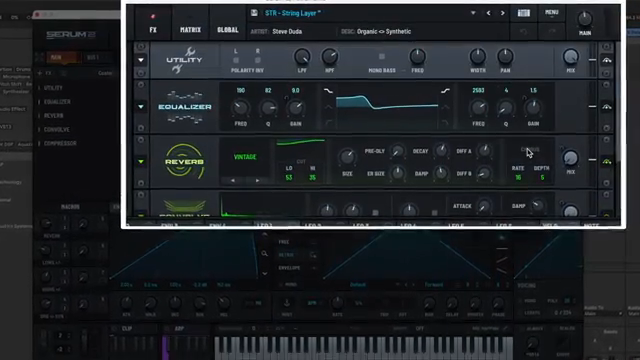 Sanjay C’s Plugin Power Moves: 2025’s Hottest VSTs That Slap
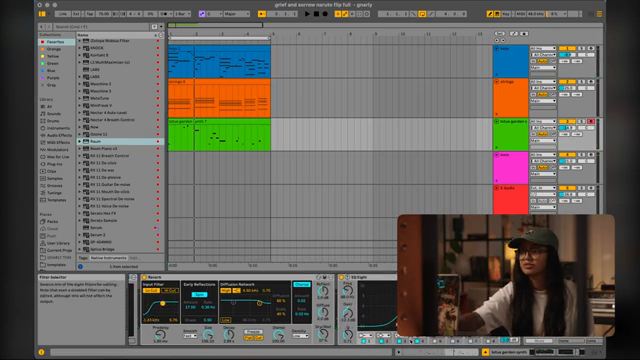 ROLI’s Expressive Workflow: Gnarly Flips Naruto with ROLI Piano and Equator2
 The Sonic Landscapes of Protoculture with RapidFlow_Shop
Watch on YouTube:
Latest articles
Watch on YouTube:
Visit the channel:
https://www.youtube.com/StarskyCarr
https://www.youtube.com/StarskyCarr
Links from StarskyCarr:
Patreon: https://patreon.com/starskycarr
Instagram: https://instagram.com/starskycarr
Facebook: https://facebook.com/StarskyCarrOfficial
Sponsored links:
If you purchase via these links, we may earn a small commission – at no extra cost to you. The link opens an Amazon keyword search, and results may vary depending on availability.
DIGI-8K
🔗 Check price on Amazon
🔗 Check price on Amazon
OB-WAN
🔗 Check price on Amazon
🔗 Check price on Amazon
Serum 2
🔗 Check price on Amazon
🔗 Check price on Amazon
SUPITER-8
🔗 Check price on Amazon
🔗 Check price on Amazon
THEPRO-5
🔗 Check price on Amazon
🔗 Check price on Amazon
YOU-NO-6
🔗 Check price on Amazon
🔗 Check price on Amazon