RolandChannel returns with a deep dive into the TR-1000 Rhythm Creator’s Version 1.20 update, and it’s clear the digital drum machine is evolving well beyond its roots. This official walkthrough highlights new MFX effects, expanded LFO capabilities, and the addition of ACB-powered 808 and 909 bass generators—each aimed at giving users more nuanced control and creative leverage. As always, Roland’s presentation is polished and focused on workflow, showing how these updates fit into real-world beatmaking and performance. For those interested in the architecture and hands-on possibilities of modern grooveboxes, this update is worth a close look.
8. May 2026
LYRA
RolandChannel Pushes the TR-1000 Further: Version 1.20’s Digital Architecture Unpacked
TR-1000: A Rhythm Creator in Evolution
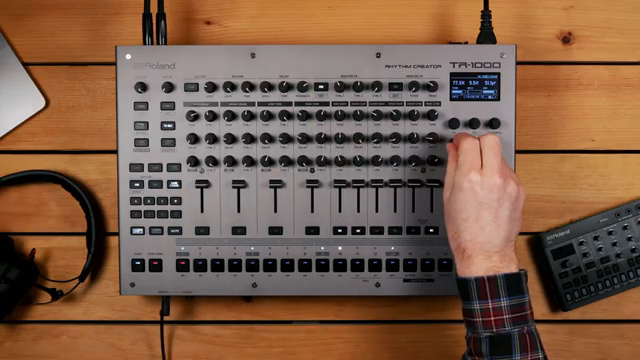
RolandChannel opens with a clear mission: the TR-1000 is not just another drum machine, but an advanced rhythm creator that continues to evolve. Version 1.20 is framed as a significant leap, introducing a suite of new features that extend both the sound design and performance capabilities of the instrument. The update is positioned as more than a cosmetic refresh—Roland emphasizes meaningful workflow improvements and deeper creative options.
From the outset, the focus is on how these enhancements serve the user’s creative process. The TR-1000’s architecture is presented as modular and expandable, with the new update demonstrating Roland’s commitment to ongoing development. This sets the stage for a detailed walkthrough of each new feature, with the promise of both classic Roland flavor and modern flexibility.
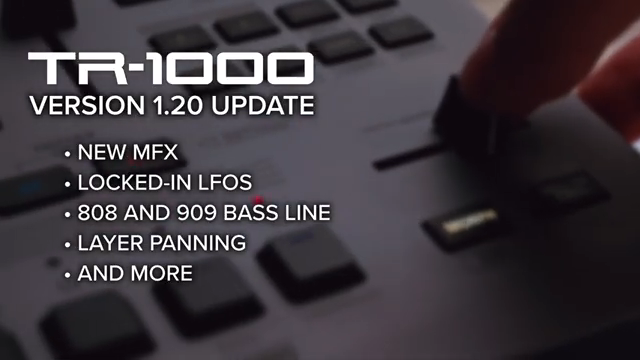
"We've added new MFX including some classic Roland favorites, leveled up the LFO capabilities big time, introduced some new sound generators, and more."
© Screenshot/Quote: Rolandglobal (YouTube)
MFX Makeover: Vinyl, Cassette, and DJ FX Arrive
"Change the tone, the hiss, the age of the tape, drive and wow and flutter."
© Screenshot/Quote: Rolandglobal (YouTube)
The first major highlight is the expanded MFX section, which now includes four new effects: SP-303 Vinyl Sim, SP-404 Vinyl Sim, Cassette Sim, and DJ FX Delay. Each effect is designed to inject distinct character into patterns, with a clear nod to Roland’s legacy processors. The SP-303 Vinyl Sim, for instance, brings not only vinyl noise and pitch instability, but also its signature compression, capable of gluing together layered drum chops and sampled textures. The routing flexibility—allowing reverb and delay to be processed through or bypass the MFX—adds to the creative palette.
Cassette Sim introduces tape hiss, age, and drive, letting users dial in everything from subtle warmth to lo-fi grit. The DJ FX Delay, an evolution of the classic SP DJ FX Looper, enables hands-on stutters and sweeps that trail off musically after disengagement. Throughout, Roland demonstrates how individual tracks can be routed independently through these effects, making it possible to blend processed and clean elements within a single pattern. The result is a toolkit that encourages experimentation and nuanced sound design.
LFOs Unleashed: Rhythmic Modulation and Creative Triggers
Version 1.20 brings a substantial overhaul to the TR-1000’s LFO system, introducing new modes that move well beyond basic cyclical modulation. Users can now select from trigger, trig one time, and trig one half time modes, each offering different ways to sync LFO movement to the sequencer or note events. This allows for envelope-like behaviors—such as resetting the LFO with every note or running it through a single cycle per trigger—opening up more rhythmic and controlled modulation possibilities.
The update also spotlights the kit LFO, which can be routed to global kit effects and triggered via a dedicated track, enabling dynamic performance gestures like filter sweeps and sideband width modulation. The addition of a sample and hold mode further expands the sonic territory, letting users create stepped, evolving modulations that can be locked to sequencer steps or left to free-run. These enhancements make the LFO section a genuine creative hub, supporting everything from subtle movement to wild, percussive effects.
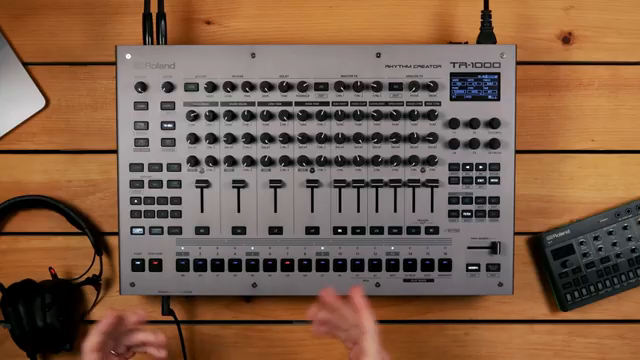
"This will reset the cycle of the LFO with every note on the pattern sequencer."
© Screenshot/Quote: Rolandglobal (YouTube)
ACB Basslines: 808 and 909 Low-End Power
Roland doubles down on its ACB (Analog Circuit Behavior) technology by introducing dedicated 808 and 909 bass sound generators in this update. These new voices are optimized for tuned bass duties, with simplified controls and expanded decay ranges. The 808 bassline, for example, starts at a perfectly in-tune C and offers an ‘excite’ parameter for tonal shaping, while the 909 bassline features a drive control for added punch and saturation.
In practice, these ACB basses can serve both as classic kick drums and as melodic bass parts, with motion recording and LFO modulation enabling hybrid sequences that blur the line between rhythm and melody. The walkthrough demonstrates sequencing across multiple variations and layering techniques, showing how these new engines expand the TR-1000’s sonic palette and make it more versatile for modern production styles.
Workflow Refinements: Panning, Gain, and MIDI Control
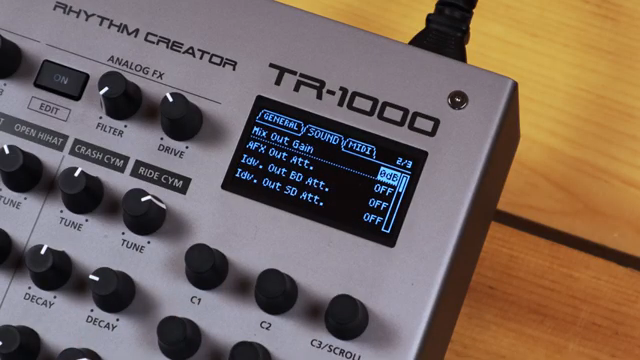
"We've got mix out gain, which can now go from -14 all the way up to +18 dB, as well as a boost for the USB audio stream output, so we can get that boosted up on the way into our DAW."
© Screenshot/Quote: Rolandglobal (YouTube)
The final stretch of the update focuses on workflow improvements that streamline both studio and live use. Independent panning for each sound generator on the four layer tracks is now available via the amp screen, making it easy to create wide, dynamic mixes or precisely position elements in the stereo field. The video demonstrates this with layered rim shots and synth drones, highlighting the creative potential of stereo placement combined with LFO-driven pitch modulation and effects.
Additional refinements include expanded gain staging—mix out gain now ranges from -14 to +18 dB, with a dedicated USB audio boost for DAW integration. MIDI control is also more flexible, with per-track channel assignments and chromatic MIDI input for sample slices. These changes collectively make the TR-1000 a more adaptable instrument, ready for complex setups and demanding performance environments.
This article is also available in German. Read it here: https://synthmagazin.at/rolandchannel-treibt-den-tr-1000-weiter-version-1-20-und-ihre-digitale-architektur-im-fokus/
More articles about these products:
 RolandChannel’s TR-1000: FJAAK’s Techno Workflow Unpacked
 Alex Ball’s Drum Synth Odyssey: From UFO Pads to Modern Mayhem
 RolandChannel’s TR-1000: Nadia Struiwigh’s Ambient Architectures Unveiled
 Liam Killen Throws Down: TR-1000 vs TR-8S – Which Drum Machine Rules the Rave Bunker?
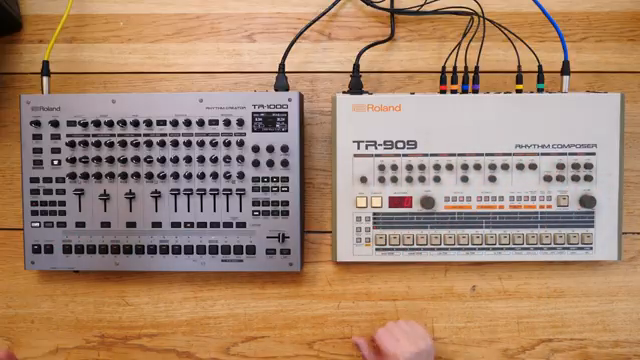 Starsky Carr Throws Down: TR-1000 vs TR-909 – The Real Drum Machine Face-Off
 AudioPilz Dishes the Dirt: What Your Synth REALLY Says About You
 Liam Killen’s TR-1000: Three Months in the Drum Matrix
 Bonedo Synthesizers Unleash the Roland TR-1000: Analog Thunder Returns
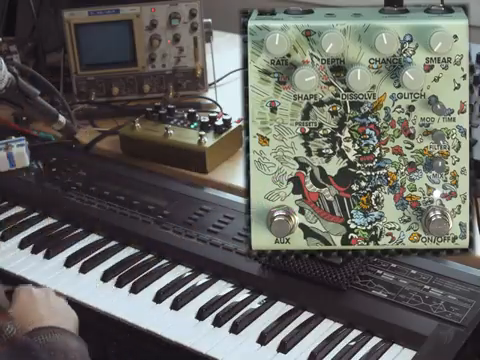 Jorb Twists the OBNE Parting: Glitch, Grit, and Lo-Fi Mayhem
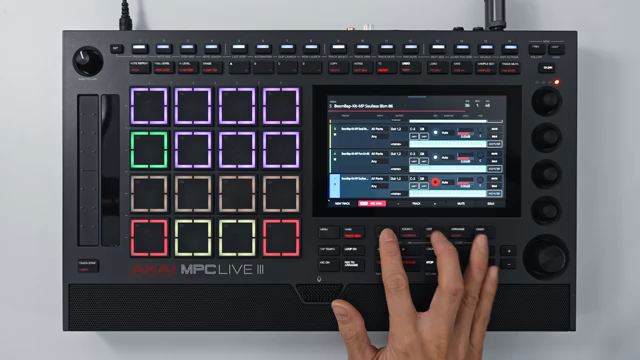 Andrew Huang’s 2025 Gear Picks: Grooveboxes, Glitch and Gearhead Gold
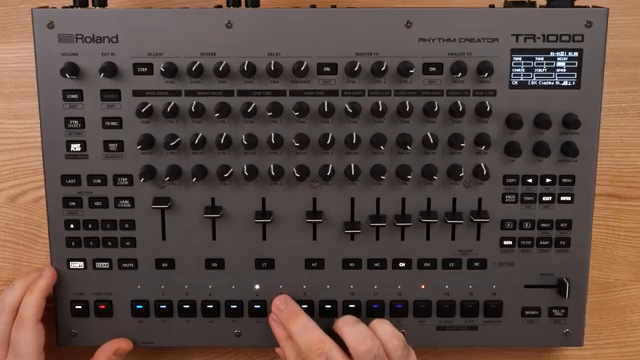 Geo Beats: Jon Makes Magic with the Roland TR-1000
 SanjayC’s Top Gear Picks for 2025
Watch on YouTube:
Latest articles
Watch on YouTube:
Visit the channel:
https://www.youtube.com/rolandglobal
https://www.youtube.com/rolandglobal
Links from rolandglobal:
website: https://www.roland.com
roland_cloud: https://www.roland.com/global/promos/about_roland_cloud
instagram: https://instagram.com/rolandglobal
Sponsored links:
If you purchase via these links, we may earn a small commission – at no extra cost to you. The link opens an Amazon keyword search, and results may vary depending on availability.
Roland TR-1000
🔗 Check price on Amazon
🔗 Check price on Amazon