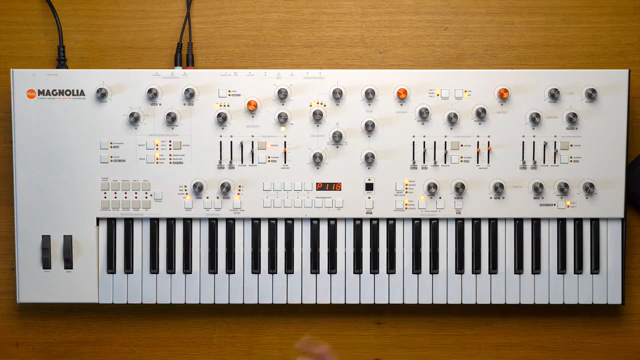
Frap Tools takes their Magnolia polysynth for a modular spin, reconstructing a classic glitchy drum patch once built around Brenso and Usta. This video is a deep dive into how much modular mayhem Magnolia can muster, focusing on modulation, filters and sequenced chaos. We follow their process, see the limitations versus a full Eurorack rig, and explore the creative patching possibilities that Magnolia brings to the techno table.
21. July 2026
MILES
Frap Tools Magnolia: Glitch Drums, Modular Style – A Patch Analysis
From Brenso to Magnolia: Modular Drums Reimagined
The video opens with Giovanni from Frap Tools setting the stage: the mission is to recreate a beloved modular drum patch—originally built around the Brenso oscillator and Usta sequencer—within the new Magnolia polysynth. The original patch used Brenso as the lone sound source, wrangled into a glitchy, raw techno drum kit by Usta’s blizzard of gate outputs and direct modulation antics. Here, the challenge is to see how far Magnolia can be pushed into similar modular territory, given its different architecture.
The first goal is to mimic Brenso’s ping circuit, a wavefolder trick that yields a smooth, organic envelope for shaping the drum timbres. With Magnolia, Giovanni sets up the arpeggiator to quarter notes, tweaks the oscillator for a lower register, and crafts an envelope with a generous tail and a short gate. The FM envelope, not otherwise in use, is drafted to modulate the wavefolder level. The process involves hunting for the sweet spot—classic modular behaviour, but with Magnolia’s internal routing rather than flying patch cables.
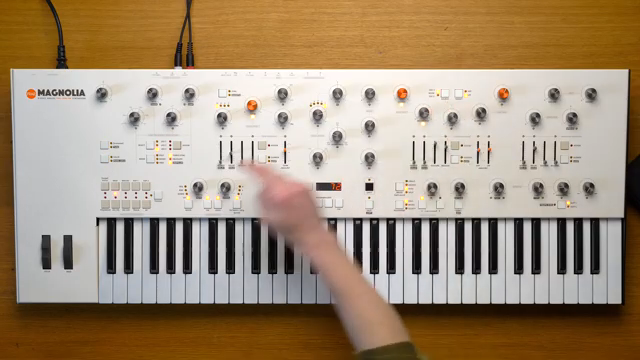
"The concept behind that patch that I will link here and in the description was to maximize the use of a single sound source, in that case the Brance Oscillator, to create kind of a glitchy raw techno drum kit."
© Screenshot/Quote: Fraptools (YouTube)
Modulation Mayhem: LFOs, Sample & Hold, and Filtering
"That's the tough part because Usta allowed me to create up to 8 independent and different streams of gates and here I don't have that flexibility."
© Screenshot/Quote: Fraptools (YouTube)
Replicating Usta’s multiple gate streams proves tricky, as Magnolia lacks the same sequencing flexibility. The workaround? Deploying LFOs as modulation sources. The first LFO, set to a tempo-synced square wave, is patched into the wave shape, with further tweaks using phase bend to shape the pulse. Experimentation is the order of the day—destinations are swapped, and the sample and hold circuit is brought in, first targeting the wave shape, then the true zero FM parameter for extra movement.
With the 16th-note LFOs running, things get a bit stiff—so Giovanni animates the sound by modulating the LFO amplifier and phase band parameters, introducing subtle dynamic shifts. The low-pass filter steps in next, taming the harsher edges and allowing for more dynamic envelopes. Throughout, the video demonstrates how Magnolia’s modulation matrix and filter section can be creatively abused to approach the chaos of a full modular rig.
Layering and Dynamic Drum Patches
Magnolia’s third LFO joins the fray, again tempo-synced and patched to modulate parameters like true zero FM, with polymove modulation used to alter its rate—something not possible in the original Brenso/Usta rig. When it comes to recreating the kick drum layer, Magnolia can’t quite pull off the self-patched sine trick from Brenso, so a new approach is taken: a second part (Part B) is layered in, tuned to unison, with its envelope modulating oscillator pitch to simulate a percussive kick.
The arpeggiator is activated for both drum and kick layers, and further adjustments are made to balance the mix—classic modular behaviour, but executed within Magnolia’s more contained environment. Here, the workflow demonstrates the methodical process of building up a complex, dynamic drum patch by stacking sound sources and modulation, echoing the iterative patch-building ethos of Eurorack, albeit with fewer cables and a more tightly integrated system.
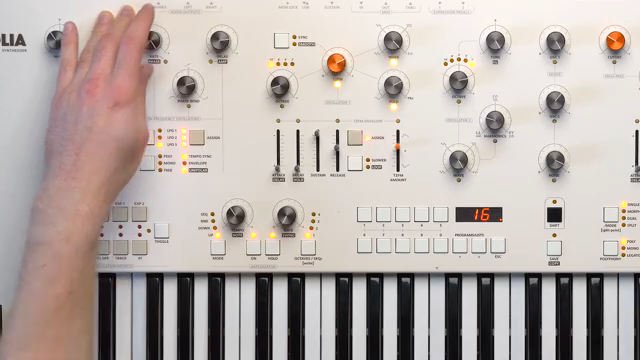
"And I can do something that Usta could not do, so use the polymove to change the rate."
© Screenshot/Quote: Fraptools (YouTube)
Animating the Patch: Mod Wheel Macros
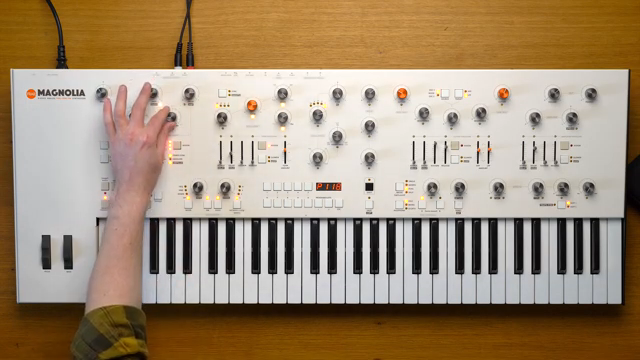
"To animate this patch I think I might use the mod wheel to bring in some True Zero FM."
© Screenshot/Quote: Fraptools (YouTube)
To cap off the patch, Giovanni demonstrates how the mod wheel can be used as a macro control to bring in additional effects. By assigning the mod wheel to parameters such as true zero FM, high-pass and low-pass cutoff, and even release time, the drum pattern becomes more animated and expressive. This approach adds a performative layer, enabling live tweaks and evolving textures—an important nod to the hands-on ethos of modular synthesis, even within the digital workflow of Magnolia.
This article is also available in German. Read it here: https://synthmagazin.at/frap-tools-magnolia-glitch-drums-im-modular-stil-eine-patch-analyse/
More articles about these products:
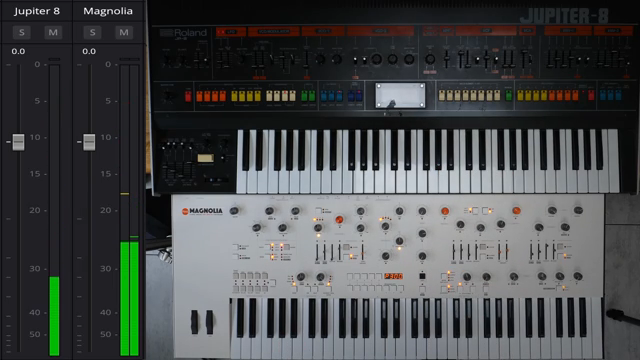 Starsky Carr Throws Down: Jupiter-8 vs Magnolia – Who Actually Wins?
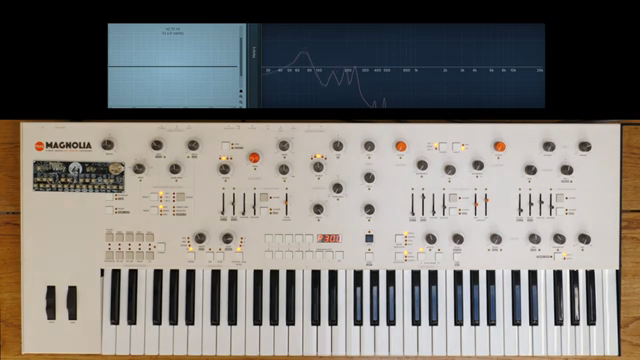 Starsky Carr’s £15,000 Synth Soup: Analog Royalty, Now in Your Serum
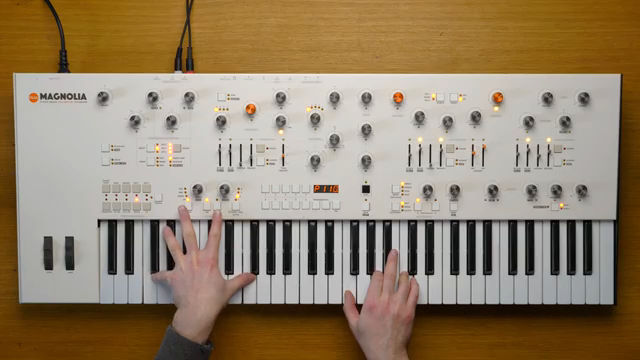 Frap Tools: Four Arpeggio Tweaks That Break the Grid
 Devin Belanger’s Superbooth 2026: Five Synths That Slap (and a Few That Don’t)
 Devin Belanger’s Synth Prophecies: Niche Machines, AI Nightmares, and Brand Mashups
 Frap Tools Magnolia Oscillator 1: Patchable Mysteries Unfolded
 Frap Tools Magnolia: Analogue FM Piano Synthesis Demystified
 Frap Tools Magnolia: Reverse Engineering Presets Without a Screen
 Frap Tools Magnolia: Precision Meets Patchable Warmth
 Frap Tools Magnolia: Analogue Polyphony with a Modular Mindset
 Frap Tools: Wiring a Grand Piano into the Modular Matrix
 Frap Tools: Polyphony, Patch Cables and the Art of Modular Keyboard Play
Watch on YouTube:
Latest articles
Watch on YouTube:
Visit the channel:
https://www.youtube.com/FrapTools
https://www.youtube.com/FrapTools
Links from FrapTools:
website: https://frap.tools
instagram: https://instagram.com/fraptools
facebook: https://www.facebook.com/fraptools
twitter: https://twitter.com/fraptools
soundcloud: https://soundcloud.com/fraptools
Sponsored links:
If you purchase via these links, we may earn a small commission – at no extra cost to you. The link opens an Amazon keyword search, and results may vary depending on availability.
Frap Tools Brenso
🔗 Check price on Amazon
🔗 Check price on Amazon
Frap Tools Magnolia
🔗 Check price on Amazon
🔗 Check price on Amazon
Frap Tools USTA
🔗 Check price on Amazon
🔗 Check price on Amazon