Expert Sleepers, known for bridging modular and digital realms, showcases a fresh firmware update for the disting NT. The Temporal Freeze algorithm now boasts a detuning option, letting users morph frozen audio into lush, complex chords and microtonal textures. This video walks through pitch transitions, gain tweaks, and Scala file integration, all in classic Expert Sleepers style: practical, hands-on, and ready for the patching masses. For those who want their frozen moments a little less predictable, this update could prove essential.
13. September 2026
MILES
Expert Sleepers disting NT: Detuning and Microtonal Power with Temporal Freeze
New Detuning Tricks in Temporal Freeze
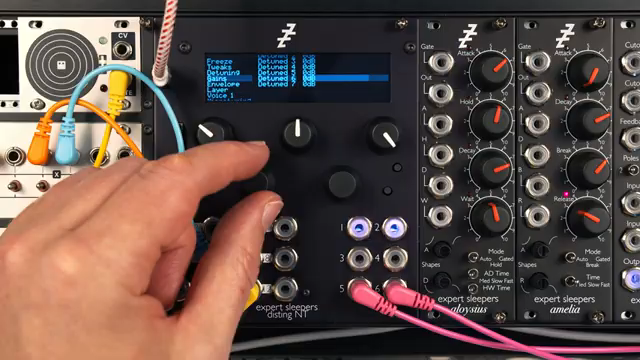
With firmware v1.17, Expert Sleepers has injected the Temporal Freeze algorithm on the disting NT with a notable new detuning feature. Previously, users could select an octave-down playback for frozen audio, but the latest update opens the door to more sophisticated chordal textures. The module’s playheads can each be set to different pitches, allowing for rich, harmonically dense results from a single frozen moment.
This move transforms the Temporal Freeze from a simple time-stretch or freeze tool into a full-blown chord machine, capable of turning any captured sound into a multi-voice harmonic event. The update keeps the original options intact, so users still have access to the classic octave-down sound, but with the added flexibility to go much further. As always with Expert Sleepers, the enhancements feel designed for real-world patchers rather than just spec-sheet one-upmanship.
Smooth Pitch Transitions: No More Jumps
A standout improvement is the ability to smoothly transition between different detuned voices, rather than stepping abruptly from one to the next. Where prior versions required users to jump in semitone or octave increments, v1.17 introduces a fluid, continuous sweep between pitches. This makes for much more musical and expressive manipulations, as demonstrated by the channel’s walkthrough of various detuned intervals.
The video illustrates how this smooth detuning can breathe life into otherwise static frozen audio, making it easy to dial in subtle modulations or dramatic chord shifts on the fly. It’s a workflow enhancement that modular users will appreciate, especially in live settings where abrupt pitch jumps can be jarring. The result is a more organic, evolving sound palette that’s firmly under the user’s control.
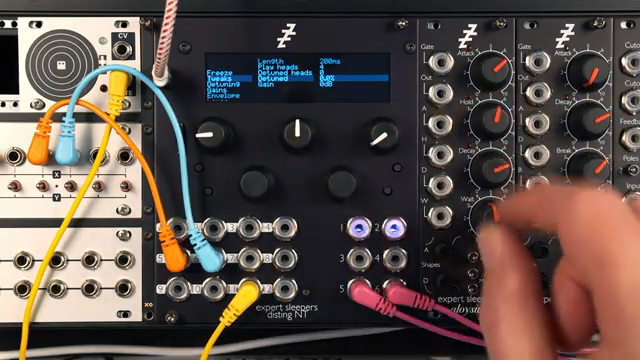
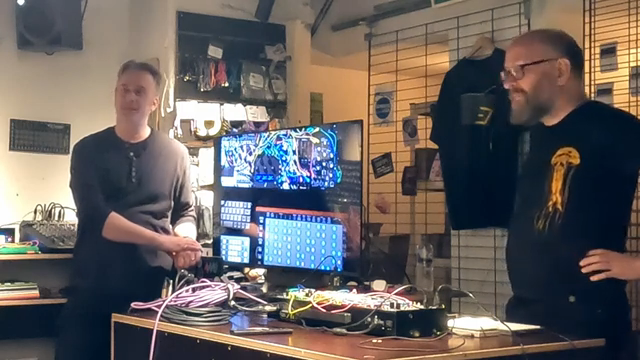
"Rather than jumping like one voice at a time, you can do it smoothly."
© Screenshot/Quote: Expertsleepersltd (YouTube)
Individual Gain for Every Pitch: Balancing the Chord
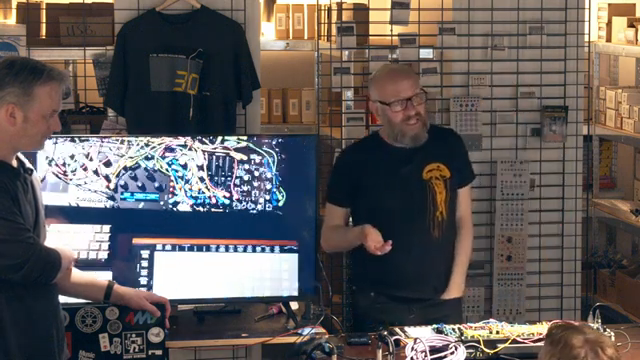
"Each one of those things can have a gain adjustment."
© Screenshot/Quote: Expertsleepersltd (YouTube)
Another practical addition is the ability to set the gain for each detuned voice independently. This means that if a particular pitch (like a high fifth or a deep sub-octave) dominates the mix, its volume can be dialed back or boosted as needed. The presenter notes that higher pitches often jump out sonically, so pulling them back can help create a more balanced, musical result.
Gain adjustments persist as you sweep through different tunings, and changes take effect immediately when new notes are frozen. This granular control is invaluable when constructing dense chords or unusual intervals, letting users sculpt the harmonic texture in detail. It’s another example of Expert Sleepers addressing the real-world needs of modular musicians, rather than just ticking feature boxes.
Scala and Microtonality: Beyond Twelve Tones
The video wraps up by showcasing support for Scala files, enabling microtonal detuning within the Temporal Freeze algorithm. Users can load Scala tuning files, instantly transforming the playheads’ intervals into those of any scale—be it seven-tone, just intonation, or more exotic fare. This is handled through the same interface as other NT microtuning features, making it a seamless addition for those already exploring alternative tunings in their racks.
When working with Scala, detuning is expressed in scale degrees rather than semitones. This allows for the creation of chords and harmonic textures well beyond the twelve-tone norm, perfect for adventurous patchers or anyone bored with standard intervals. Combined with the freeze and detune functionality, this opens up a world of microtonal and experimental processing, all under CV or manual control.
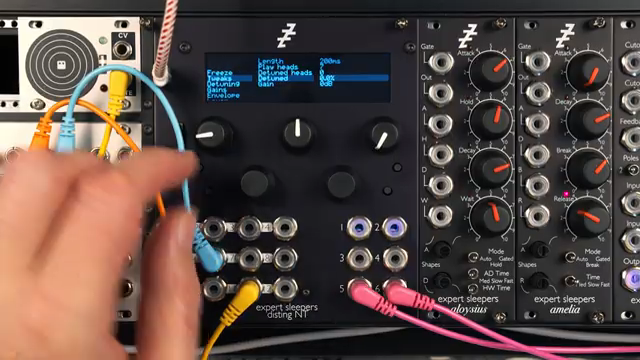
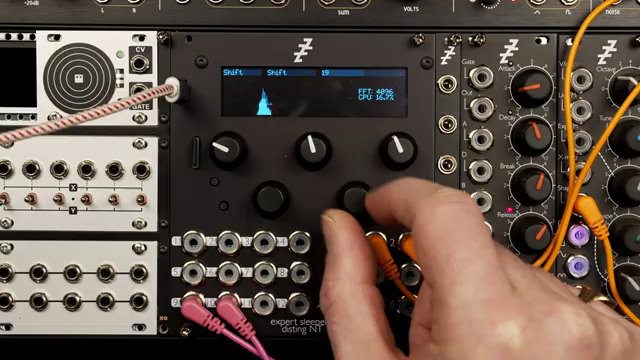
"You can use Scala files to have microtuned detunings if you would like."
© Screenshot/Quote: Expertsleepersltd (YouTube)
This article is also available in German. Read it here: https://synthmagazin.at/expert-sleepers-disting-nt-detuning-und-mikrotonale-power-mit-temporal-freeze/
More articles about these products:
 Expert Sleepers Disting NT: Layering Evolves with Temporal Freeze
 Expert Sleepers’ disting NT: The Swiss Army Knife at the Heart of Simon Kirby’s Modular Rig
 Expert Sleepers’ disting NT: A Swiss Army Knife for the Modular Age
 Expert Sleepers disting NT: At the Heart of Simon Kirby’s Modular Mindset
 Expert Sleepers Disting NT: Spectral Conquest – FFT Mayhem in Modular
 Expert Sleepers Disting NT: Continuous Calibration for Drifty VCOs
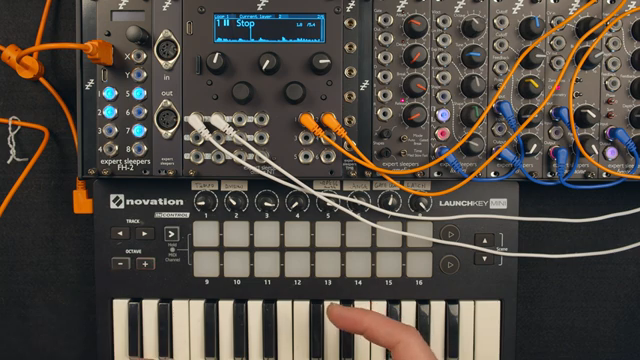 Expert Sleepers Disting NT: Looping in Layers, Modular Style
 Expert Sleepers Disting NT: Modular Freedom in a Single Module
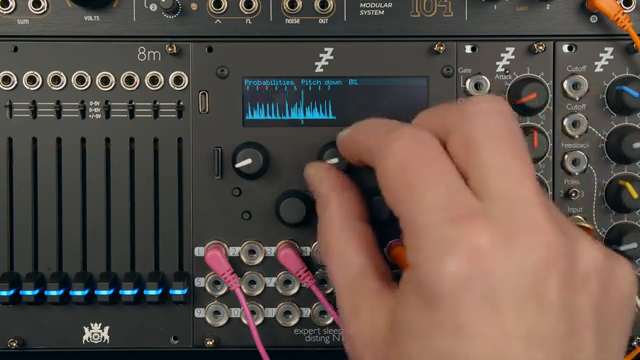 Expert Sleepers disting NT: Mapping Mayhem in the Modular Realm
Watch on YouTube:
Latest articles
Watch on YouTube:
Visit the channel:
https://www.youtube.com/ExpertSleepersLtd
https://www.youtube.com/ExpertSleepersLtd
Links from ExpertSleepersLtd:
Sponsored links:
If you purchase via these links, we may earn a small commission – at no extra cost to you. The link opens an Amazon keyword search, and results may vary depending on availability.
Expert Sleepers disting NT
🔗 Check price on Amazon
🔗 Check price on Amazon