Alright, beat nerds—strap in. Verysickbeats (aka JFilt) just cracked open the polyrhythmic sauce Outkast used on “Mainstream,” and he’s showing exactly how to cook it up in your own studio with an MPC2000XL and SP-404MKII. If you ever wanted to know why that groove hits so weird and hypnotic, this is the breakdown you need. Expect laid-back teaching, plenty of gear flexing, and a groove that’ll make your head nod sideways. Trust, some of this is better seen (and heard) than explained. Let’s dive in.
16. September 2026
RILEY
Verysickbeats Rebuilds Outkast’s Secret Groove: Polyrhythm Tricks on the MPC2000XL & SP-404MKII
Outkast’s Underrated Groove: Polyrhythm Deconstructed
Verysickbeats jumps in by shining a spotlight on one of Outkast’s most slept-on grooves—the polyrhythmic backbone of “Mainstream.” This isn’t just any old loop; it’s a slick combo of 3/4 and 4/4 time signatures that’s got folks scratching their heads and bobbing their necks for decades. JFilt points out how most people miss the genius of this rhythm, and he’s about to pull back the curtain.
He breaks down how, depending on how you count it, the same loop flips from a three-bar 4/4 to a four-bar 3/4, giving it that twisty, hypnotic feel. It’s not just music theory for the sake of it—this is the science behind why your uncle’s still confused on the dance floor. The plan: translate this trickery using two machines, with separate roles for drums and melody. If you thought polyrhythms were just for jazz cats, think again.

"This is one of my favorite beats of all times called Mainstream produced by Organize Noise."
© Screenshot/Quote: Verysickbeats (YouTube)
Gear Up: MPC2000XL Meets SP-404MKII
"The purpose of me doing that a little at the end is so it can loop a little differently."
© Screenshot/Quote: Verysickbeats (YouTube)
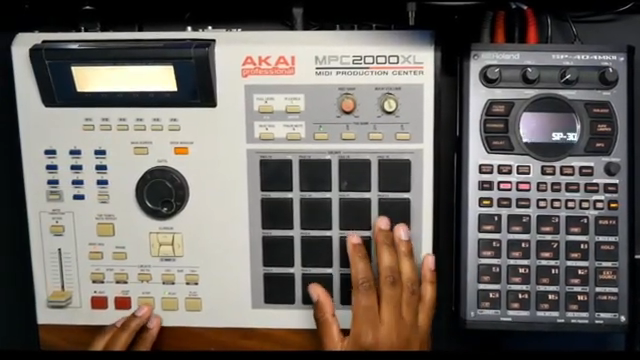
Next up, JFilt moves to the beat lab—introducing his trusty MPC2000XL (for drums) and SP-404MKII (for melody and samples). It’s like pairing a classic lowrider with a new-school fixie; both got style, but together? Pure flavor. He lays down the drum pattern on the MPC, dialing in a two-bar loop instead of three, and teases out why this choice keeps things cycling weird and interesting when it meets the SP.
On the SP-404MKII, it’s all about shaping the melody in three, with four bars to keep the math spicy. Guitar chops, bass notes, and some gentle nudges on the BPM—he shows how to set up the pattern, lock in the time signature, and layer those elements. It’s not a step-by-step for every button push, but the way he flips between machines is smoother than a crate digger on payday. Watching him sync both boxes via MIDI is a special kind of magic you gotta see to really get.
The Secret Sauce: Hypnotic Cycles and Happy Accidents
Now for the real sauce. JFilt points out that the groove’s power comes from its subtle inconsistencies—the hi-hats don’t hit in the same spot every time, and that’s what makes the loop hypnotic. Instead of everything lining up like a math test, you get a rhythmic push-and-pull that keeps heads nodding and ears perked up. The two-bar hi-hat loop on the MPC cycles against the four-bar melody, making every pass a little different.
This is the kind of groove that you feel more than you analyze. Sure, you could draw it all out on graph paper, but you’re better off just letting it loop and zoning out. If you want to hear how the inconsistencies really mess with your sense of time, trust me—fire up the video and let it cycle a few times. That’s where the magic happens.
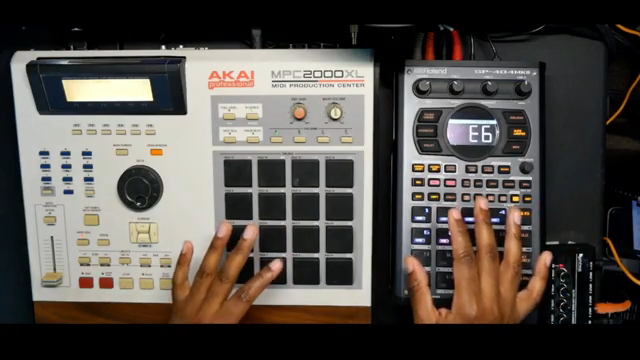
"So that's what makes it kind of hypnotizing."
© Screenshot/Quote: Verysickbeats (YouTube)
DIY Polyrhythm: Take It to Your Own Setup
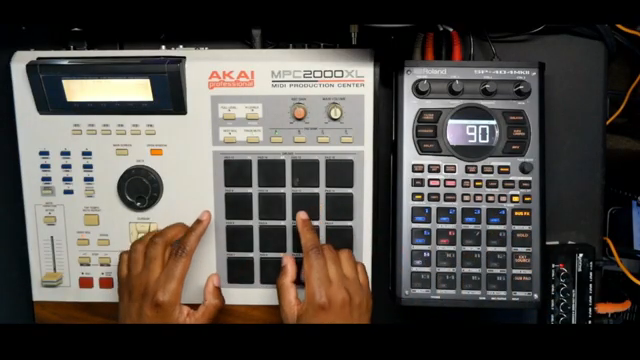
"Just try it out and sing them together and see what you come up with, man."
© Screenshot/Quote: Verysickbeats (YouTube)
To close it out, Verysickbeats hits you with a challenge: try this workflow for yourself. Don’t just watch from the sidelines—split your gear, set up those mismatched time signatures, and see where it takes your beats. He makes it clear this isn’t some uncrackable code; it’s a streetwise trick anyone can use, whether you’re working with classic hardware or whatever’s lying around in your bedroom studio.
Inspired by Outkast and Organized Noize, this approach is all about experimenting and making those happy accidents work for you. So pull out your own odd couple of machines and start syncing. Who knows—you might stumble into a groove that slaps even harder than “Mainstream.”
This article is also available in German. Read it here: https://synthmagazin.at/verysickbeats-rekonstruiert-outkasts-geheimen-groove-polyrhythmus-tricks-auf-dem-mpc2000xl-sp-404mkii/
More articles about these products:

Watch on YouTube:
Latest articles
Watch on YouTube:
Visit the channel:
https://www.youtube.com/Verysickbeats
https://www.youtube.com/Verysickbeats
Links from Verysickbeats:
Patreon: https://patreon.com/verysickbeats
Instagram: https://instagram.com/verysickbeats
Twitter: https://twitter.com/jfilt
Twitch: https://twitch.tv/verysickbeats
Discord: https://discord.com
Sponsored links:
If you purchase via these links, we may earn a small commission – at no extra cost to you. The link opens an Amazon keyword search, and results may vary depending on availability.
MPC2000XL
🔗 Check price on Amazon
🔗 Check price on Amazon
SP‑404MKII
🔗 Check price on Amazon
🔗 Check price on Amazon