DivKid gets his mitts on Sigma from Vostok Instruments, a Eurorack rhythm computer that turns clock, triggers, gates, and even audio into a 23-headed logic beast. If you’re after rigid DAW-style grooves, look elsewhere—this module is for mangling, humanising, and generally torching the grid. From flams that slap to logic patching that borders on the unhinged, DivKid’s demo is a rave bunker masterclass in why gate length obsession is a virtue and not a vice.
2. October 2026
SPARKY
DivKid Unleashes Sigma: Vostok’s Gate Mutant for Modular Mayhem
Gate Mutant: Sigma’s Brutal Feature Stack
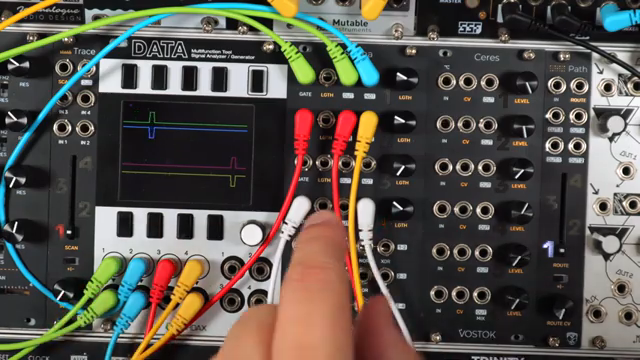
Vostok Instruments’ Sigma doesn’t just add another box to your rack—it detonates the whole logic playground. DivKid opens by showing off Sigma’s monster 23 outputs, split between four gate length channels and a stack of logic gates (AND, NAND, OR, NOR, XOR) that would make a mathematician sweat. The not outputs alone feel like a toaster-fight between order and chaos, letting you flip gate polarity and delay everything with surgical precision.
Infinite hold mode? Yeah, Sigma’s got it, turning gate channels into sustain pedal monsters for your voltages. The module’s CV control of gate length means your basic triggers can now be dragged, stretched, and generally abused until they fit the wonky groove in your head. If you thought logic modules were for neat freaks, Sigma’s about to show you just how dirty things can get.
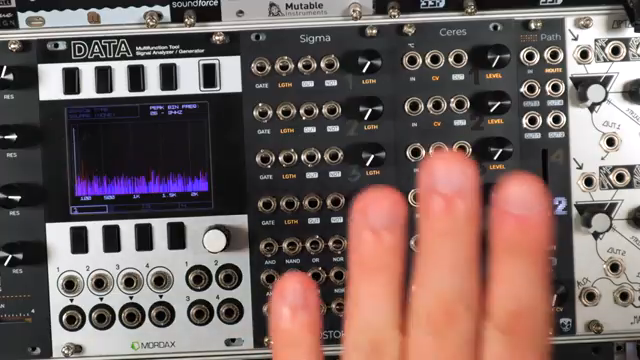
"They've taken the idea of gate and logic processing and expanded that into a module with a whopping 23 outputs."
© Screenshot/Quote: Divkid (YouTube)
Flam Factory: Custom Grooves and Logic Magic
"I've been kind of head bobbing and bum wiggling around the studio for a while."
© Screenshot/Quote: Divkid (YouTube)
Here’s where it gets juicy: DivKid crafts grooves that swing, shuffle, and flam like a drunken horse on a trampoline. By abusing the not outputs as gate delays, the snare, clap, and hi-hat lines get pushed off-grid for that elusive ‘human’ feel. Everything straight on the grid sounds lifeless by comparison—Sigma lets you dial in just enough delay to make your beats snap and crack in all the right places.
The logic section isn’t just for boffins. Pairing gate processors with logic outputs, DivKid shows how to create polyrhythmic weirdness and rhythmic patterns that would make a DAW user cry. If you want robotic precision, move along. If you crave unpredictable groove, welcome to the club. The video makes it clear: Sigma is less ‘clock in, clock out’ and more ‘smash the clocks, dance in the rubble.’
Melodic Mayhem & Pre-Delay Sorcery
Sigma isn’t just a drum mangler—it turns melodies inside out too. DivKid patches melodic content through dual VCAs, using Sigma’s gate delays to ping-pong pulses across stereo space. The not outputs give you shifted melodic accents, while different gate lengths create stereo movement and call-and-response effects that would make a sequencer blush.
And then there’s the pre-delay hack for reverb. Eurorack reverbs usually lack pre-delay, but Sigma steps in like a streetwise fixer, delaying when the wet signal hits so your dry sound pops up front. That means you can fake room size and depth without swapping out your whole FX chain. Of course, the real stereo fizz and timing magic are best soaked up in the video, where you can see (and hear) these tricks in the wild.

"Let's delay the left side, and we get this lovely kind of little stereo movement, this blip."
© Screenshot/Quote: Divkid (YouTube)
Human Touch & Audio Carnage: Why You Need to Watch
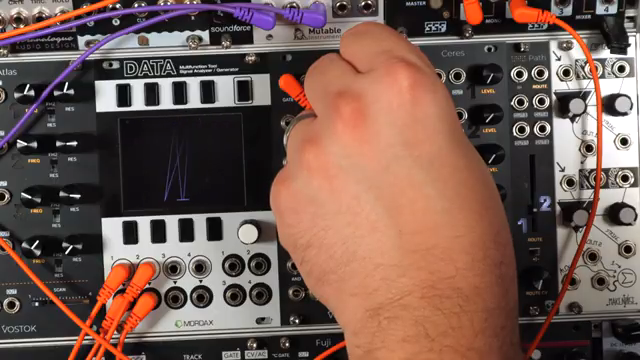
"I mean the rhythm's still intact, but it's just brutally destroyed."
© Screenshot/Quote: Divkid (YouTube)
If you’re tired of sterile beats, Sigma’s randomised gate lengths let you humanise rhythms until they lurch, stumble, and groove like a real drummer after four pints. DivKid shows how modulating gate length CVs with random voltages turns even the stiffest patterns into loose, organic jams—just don’t go too far, unless you want chaos.
But Sigma isn’t only about groove. Feed it audio, and it spits out audio-rate logic pulses, crushed drum breaks, and chiptune carnage. Square off your signals, mangle your melodies, and watch as classic breaks become glitchy, distorted monsters. It’s sonic vandalism at its finest. Trust me—some of these sounds need to be heard, not described, so fire up the video and let your speakers take the punishment.
This article is also available in German. Read it here: https://synthmagazin.at/divkid-entfesselt-sigma-vostoks-gate-mutant-fuer-modular-chaos/
Watch on YouTube:
Latest articles
Watch on YouTube:
Visit the channel:
https://www.youtube.com/DivKid
https://www.youtube.com/DivKid
Links from DivKid:
Patreon: https://patreon.com/divkid
Website: https://divkidvideo.com
Instagram: https://instagram.com/divkidvideo
Twitter: https://twitter.com/divkid
Facebook: https://facebook.com/Sir.DivKid
Sponsored links:
If you purchase via these links, we may earn a small commission – at no extra cost to you. The link opens an Amazon keyword search, and results may vary depending on availability.
Vostok Instruments Sigma
🔗 Check price on Amazon
🔗 Check price on Amazon