The Yamaha DX7: synth legend, pop culture icon, and the reason half your favourite 80s tracks sound like neon roller discos. David Hilowitz Music, known for his crafty DIY spirit and sonic curiosity, finally gets his hands on this digital beast—and takes us for a ride through glassy presets, weird memory hacks, and the wild world of FM synthesis. If you think the DX7 is just for cheesy ballads, think again. David dives deep, showing off not just the synth’s history but how its DNA lives on in free plugins and tiny hardware. Strap in—this isn’t your dad’s nostalgia trip.
29. April 2026
SPARKY
David Hilowitz Music Unleashes the DX7: 80s Nostalgia Meets Modern FM Mayhem
Decent Sampler, Dexed, Korg Volca FM2, MiniDexed, Yamaha DX7
DX7: The 80s in a Box
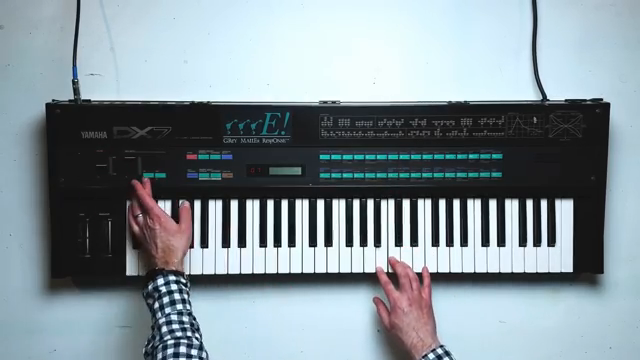
Let’s not mess about—the Yamaha DX7 is the synth that defined a decade, and David Hilowitz Music wastes no time reminding us why. The video kicks off with David’s first ever hands-on with a real DX7, and you can almost hear the synthwave arpeggios pulsing in the background. He calls it possibly the most recognisable sound of the entire 1980s, and honestly, he’s not wrong. If you’ve heard a pop hit, a movie soundtrack, or even a fast food jingle from that era, you’ve heard this machine at work.
But this isn’t just a nostalgia parade. David’s approach is refreshingly honest—he’s not here to worship at the altar of vintage gear, but to see what the fuss is about. The DX7’s factory presets are so baked into pop culture that they’re impossible to pin to a single song. Yet, as David flips through the sounds, he finds both the familiar and the downright strange, setting the stage for a deep dive into what makes this synth tick.
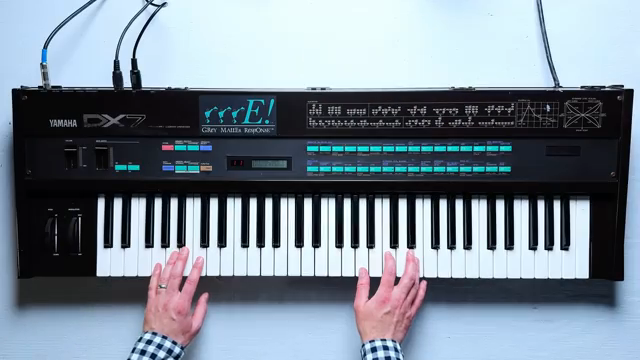
"A more legendary synthesizer I cannot imagine."
© Screenshot/Quote: Davidhilowitzmusic (YouTube)
FM Synthesis: More Than Just Sine Waves
Here’s where things get nerdy—in the best way. David breaks down FM synthesis, the secret sauce behind the DX7’s glassy, metallic tones. Forget your standard analog tricks; FM is all about modulating sine waves at breakneck speed to conjure up harmonics that would make a Moog blush. He walks through the basics: sine waves, partials, and how vibrato on steroids turns into a full-blown harmonic riot.
What’s refreshing is that David doesn’t just explain FM—he demonstrates it, showing how tweaking the speed of modulation transforms a simple tone into something complex and unpredictable. By the end of this section, it’s clear: FM synthesis isn’t just a different flavour, it’s a whole new rave bunker. And the DX7? It’s the original street weapon for this kind of sonic mischief.
Legacy Reloaded: From Hardware to Dexed
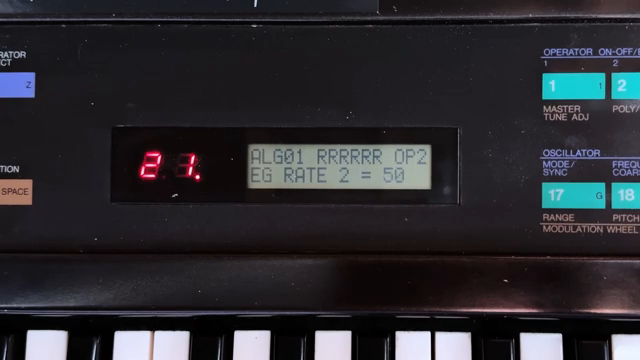
"I'm beginning to see why all of those artists from the '80s just used the factory presets."
© Screenshot/Quote: Davidhilowitzmusic (YouTube)
The DX7’s legacy isn’t just about retro vibes—it’s about how its sound engine keeps mutating. David gives a quick history lesson, then pivots to the modern era: Dexed, a free software clone, doesn’t just nail the sound, it makes editing and managing patches a breeze. No more squinting at a tiny LCD and scrolling through endless parameters—Dexed puts the whole engine on your screen, knobs and all.
David’s not shy about the pain of programming a real DX7, and he’s right: it’s a menu-diving nightmare. But with Dexed, or even the Korg Volca FM2 and the MiniDexed project, you get all the FM power without the backache. The best bit? You can swap patches between hardware and software like it’s 2024, not 1984. If you want to see just how slick this workflow can be, you’ll have to check the video—words can’t do the patch-flipping justice.
Expanded Memory: The Glitch in the Matrix
Here’s a twist: David’s DX7 isn’t your standard issue. Thanks to a Grey Matter add-on board, this unit packs way more memory than most, unlocking a stash of experimental and downright bizarre sounds. Some of these patches are so left-field, it’s hard to tell if they’re intentional or just the result of corrupted data. Either way, they show off the DX7’s wild side—proof that this synth isn’t just about cheesy electric pianos.
This expanded memory turns the DX7 into a playground for sonic oddballs. David’s delight (and confusion) is palpable as he scrolls through the upper banks. If you thought the DX7 was all about presets you’ve heard a thousand times, think again—there’s a whole world of weird lurking in those extra slots.
"Either way, these patches really highlight the unique possibilities of this synthesis engine."
© Screenshot/Quote: Davidhilowitzmusic (YouTube)
Nostalgia vs. Now: The DX7’s Modern Rebirth
David wraps things up with a reality check: the DX7 is dripping with 80s nostalgia, but its FM engine is anything but dated. Once you break free from the classic presets, the sound palette opens up into fresh, modern territory. David even codes up his own FM engine for Decent Sampler, proving that the DX7’s DNA is alive and mutating in today’s music tech.
The moral? Don’t get stuck in the past. Whether you’re chasing vintage vibes or hacking together new sounds, the DX7 (and its digital offspring) still have plenty of fight left. If you want to hear just how far you can push these sounds, you’ll need to watch the video—some things are better heard than read.
This article is also available in German. Read it here: https://synthmagazin.at/david-hilowitz-music-entfesselt-den-dx7-80er-nostalgie-trifft-fm-synthese-im-jetzt/
More articles about these products:
 Nu-Trix The Synth Guy Schools Us: The Wild Ride of Synth Memory Management
 Noisegate & Luke Million: Synths That Shook the Stage (and Your Nan’s China Cabinet)
 AudioPilz Declares Synth War: Who’s the Real Heavyweight Champion?
 David Hilowitz Music Unleashes the FM-1: DX7 Vibes for Pocket Money
 Lodewijk Vos: Fragile Violins – Where Strings Drift and Breathe
 Daniele Ippolito Illuminates the Shadows of a-ha’s ‘Scoundrel Days’
 AudioPilz Unleashes Hacked Mayhem: Classic Synths Invade Ableton Move
 Espen Kraft’s 80s Action Music: Synth Basslines That Hit Harder Than a Kangaroo Kick
 The Unperson’s FM Street Fight: DX7 Dreams and Eurorack Mayhem
 Venus Theory’s OS Cage Match: Mac Neo vs Raspberry Pi 5 for Music Production
 David Hilowitz Music: Breathing New Life into the Kyogum’s Sonic Ghosts
 AudioPilz Dishes the Dirt: What Your Synth REALLY Says About You
Watch on YouTube:
Latest articles
Watch on YouTube:
Visit the channel:
https://www.youtube.com/DavidHilowitzMusic
https://www.youtube.com/DavidHilowitzMusic
Links from DavidHilowitzMusic:
David Hilowitz Web Site: https://davidhilowitz.com
Contact Form: https://davidhilowitz.com/contact
facebook: https://facebook.com/davidhilowitz
Sponsored links:
If you purchase via these links, we may earn a small commission – at no extra cost to you. The link opens an Amazon keyword search, and results may vary depending on availability.
Decent Sampler
🔗 Check price on Amazon
🔗 Check price on Amazon
Dexed
🔗 Check price on Amazon
🔗 Check price on Amazon
Korg Volca FM2
🔗 Check price on Amazon
🔗 Check price on Amazon
MiniDexed
🔗 Check price on Amazon
🔗 Check price on Amazon
Yamaha DX7
🔗 Check price on Amazon
🔗 Check price on Amazon