Ever wondered why your 909s sound more like a polite handshake than a warehouse punch? Bthelick, the dancefloor scientist with a knack for demystifying classic grooves, dives headfirst into the murky waters of 90s techno. This video isn’t just another nostalgia trip – it’s a practical, plugin-packed breakdown of how to channel Jeff Mills without selling your organs for vintage gear. Expect gritty tips, budget hacks, and a masterclass in lo-fi post-processing. If you want your tracks to sweat like it’s 1992, this is your blueprint. Prepare for crunchy converters, cassette grime, and a big dose of British sarcasm.
16. May 2026
SPARKY
Bthelick’s 5-Step Rave Resurrection: How to Nail That 90s Techno Sound
Ableton Live, Airwindows 2Vinyl4, Airwindows Mackie 1202, AudioThing Blindfold EQ, Caelum Audio Cassette 2, Clark Audio Textures, D16 Decimort, Full Bucket Brigade Delay, IK Multimedia T-RackS Tape Machine, Inphonik RX950, iZotope Vinyl, Kilohearts Bitcrusher, Sonic Anomaly Unlimited, Spectrum Thief, Superfly DSP Lost Tapes, TAL Bitcrusher, Temecula DSP MDV2
Reverse Engineering the Mills Mayhem
Bthelick kicks things off by tackling the age-old question: why do modern 909s sound so squeaky clean compared to those legendary 90s techno records? The answer, it turns out, is less about the drum machine and more about the battered signal chain it went through. Instead of the usual sound-design-first approach, Bthelick flips the workflow on its head, starting with post-processing to get closer to that elusive Jeff Mills grit.
He’s not just chasing nostalgia for nostalgia’s sake. The video is a deep dive into the mindset and methods of early 90s producers, especially those working on a shoestring. If you’re expecting a simple preset swap, think again – this is about understanding the entire chain, from crusty converters to the final slab of vinyl. Bthelick’s method is all about thinking backwards, and it’s a refreshing slap in the face for anyone stuck in the modern DAW comfort zone.
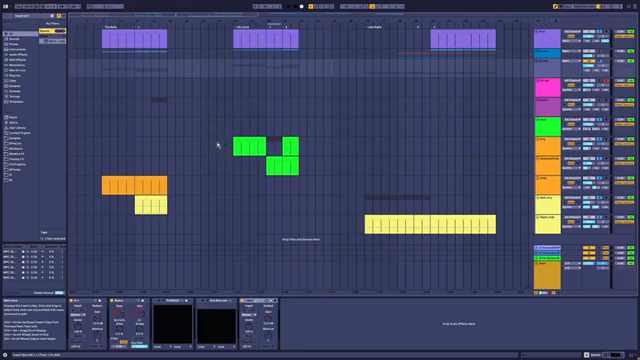
"I'm going to show you all the post-processing first, before we get into the sound design, and here's why."
© Screenshot/Quote: Bthelick (YouTube)
Post-Processing: The Secret Sauce
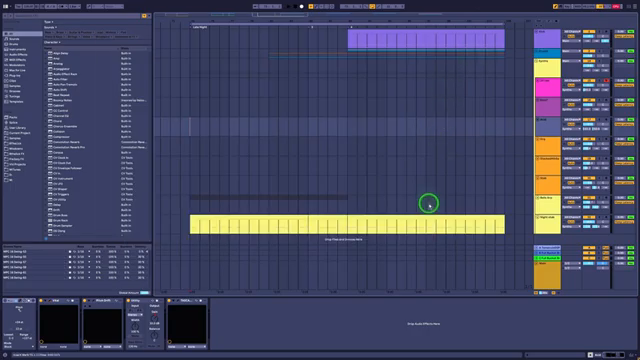
"You get a sound which is a little bit duller, certainly noisier and a bit scratchier than any hardware or certainly software you would be used to today."
© Screenshot/Quote: Bthelick (YouTube)
Forget what you’ve been told about getting it right at the source – here, the magic happens after the fact. Bthelick demonstrates how a carefully crafted post-processing chain can transform even the cleanest modern sounds into something that reeks of rave sweat and tape hiss. He walks through his custom ‘Jeff Mills 92’ rack, showing before-and-after examples that strip the polish and inject pure attitude.
The focus is on recreating the technical limitations of the era: low sample rates, jittery converters, and noisy outputs. It’s not just about adding noise for the sake of it – every stage in the chain serves a purpose, from dulling the highs to introducing that signature analog scratch. If you want your tracks to sound like they’ve survived a few dodgy warehouse parties, this is the way.
Plugin Arsenal: Bitcrushers, Tape, and Vinyl Voodoo
Bthelick isn’t shy about naming names. He lines up a rogues’ gallery of plugins to get the job done, starting with bit and sample crushers to mimic those crunchy 12-bit converters. Ableton’s stock tools get a nod, but he’s quick to shout out alternatives like Kilohearts, Inphonik, TAL, and D16 for extra lo-fi flavour. If you want to go full Sega Mega Drive, there’s even a filter modelled after the classic Yamaha chip.
The journey continues through mixer preamp emulations (hello, Airwindows Mackie 1202), gnarly EQs, and a parade of tape and cassette plugins. IK Multimedia’s Tascam Portastudio model gets the gold star, but there are free options too – Caelum Audio, Airwindows, and Superfly DSP all make the cut. For vinyl, it’s a tag-team of Airwindows, 2Vinyl4, and iZotope’s Vinyl, each bringing their own brand of crackle, pitch wobble, and groove wear.
He even throws in tone-matching with Spectrum Thief and a transparent limiter (Sonic Anomaly’s Unlimited), plus a proper 90s reverb courtesy of Temecula DSP’s MDV2 and a bucket brigade delay from Full Bucket. The result? A Frankenstein’s monster of plugins that, when chained together, absolutely nails that battered, beautiful 90s techno sound. If you want the full list and settings, you’ll have to watch the video – there’s only so much plugin nerdery we can cram into text.
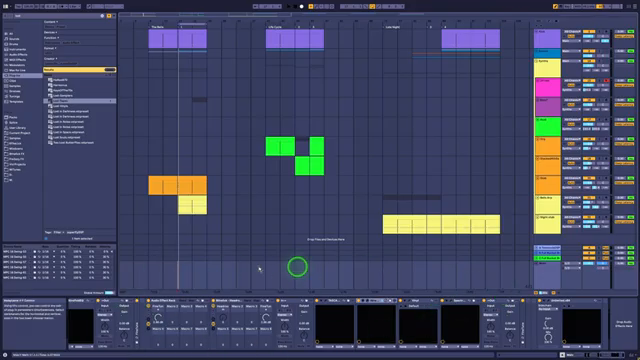
"So far this has all been a kind of theory crafting, a rough estimation of the process back then, and that got me a lot of the way there in terms of the character, the flavour, in particular the distortion characteristics and how it breaks up."
© Screenshot/Quote: Bthelick (YouTube)
Budget Mindset: Lo-Fi as a Weapon
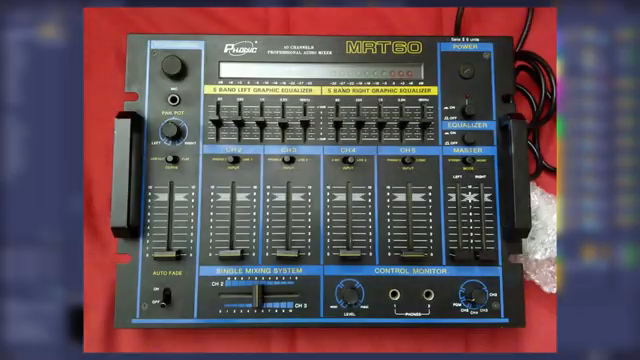
"We're talking about gear which is a lot more cost effective than those."
© Screenshot/Quote: Bthelick (YouTube)
What sets this approach apart is the relentless commitment to the 90s budget ethos. Bthelick isn’t just slapping on retro effects – he’s thinking like a producer with empty pockets and dodgy gear. Every choice, from cassette over reel-to-reel to the cheapest possible mixer, is about authenticity over audiophile perfection.
This is a love letter to the era when limitations bred creativity. The lo-fi elements aren’t just quirks; they’re the backbone of the sound. If you’re still obsessed with surgical EQ and pristine mixes, this video might ruffle your feathers. But if you want your techno to sound like it crawled out of a rave bunker, this is gospel.
Don’t Just Read – Watch and Listen!
Let’s be real: you can read about bitcrushers and cassette noise all day, but until you hear Bthelick’s before-and-after demos, you’re missing half the story. The real magic is in the audio – the subtle (and not-so-subtle) differences that only come alive in the mix. If you want to hear how these plugins actually transform a track, hit play on the original video. Your ears will thank you, and your next techno banger might just scare the neighbours.
This article is also available in German. Read it here: https://synthmagazin.at/bthelicks-5-schritte-rave-resurrection-so-bekommst-du-den-90er-techno-sound/
More articles about these products:
 Kairos as Living Sculpture: MusicRadar Tech Enters Laura Misch’s Sonic Sanctuary
 Voltage Labs: Berlin’s Sonic Mosaic – Studios, Shadows and the Pulse of Creation
 Architecting Performances: Novation Launch Control and Ableton Live Macro Workflows
 Nebula Machines: Bahadırhan Koçer and the Sonic Physics of Dub Techno
 Pick Yourself’s Hypnotic Bass Hack: Rumble Kicks Are Out, Sliding Grooves Are In
 Mad Moments & Club Tactics: Tom VR Gets Real with MusicRadar Tech
 Bonedo Synthesizers: How to Make Any Synth Scream Acid Like a 303
 LNA Does Audio Stuff: Making Beats on the Cheap with Ableton Note—Beach Edition
 Andrew Huang’s Remix Rodeo: Four Producers, One Song, Total Mayhem
 MusicRadar Tech Unleash Ableton Beat Repeat: From Lazy Slicer to Glitch Mayhem
 Pick Yourself Makes Echo Bang: Delay as Synth Weapon
 Underdog Electronic Music School: Don’t Let Your Beats Collect Dust
Watch on YouTube:
Latest articles
Watch on YouTube:
Visit the channel:
https://www.youtube.com/Bthelick
https://www.youtube.com/Bthelick
Links from Bthelick:
Instagram: https://instagram.com/bthelickmusic
SoundCloud: https://soundcloud.com/bthelick
Ko-Fi: https://ko-fi.com/bthelick
facebook: https://facebook.com/bthelick
Twitter: https://twitter.com/BtheLick
Sponsored links:
If you purchase via these links, we may earn a small commission – at no extra cost to you. The link opens an Amazon keyword search, and results may vary depending on availability.
Ableton Live
🔗 Check price on Amazon
🔗 Check price on Amazon
Airwindows 2Vinyl4
🔗 Check price on Amazon
🔗 Check price on Amazon
Airwindows Mackie 1202
🔗 Check price on Amazon
🔗 Check price on Amazon
AudioThing Blindfold EQ
🔗 Check price on Amazon
🔗 Check price on Amazon
Caelum Audio Cassette 2
🔗 Check price on Amazon
🔗 Check price on Amazon
Clark Audio Textures
🔗 Check price on Amazon
🔗 Check price on Amazon
D16 Decimort
🔗 Check price on Amazon
🔗 Check price on Amazon
Full Bucket Brigade Delay
🔗 Check price on Amazon
🔗 Check price on Amazon
IK Multimedia T-RackS Tape Machine
🔗 Check price on Amazon
🔗 Check price on Amazon
Inphonik RX950
🔗 Check price on Amazon
🔗 Check price on Amazon
iZotope Vinyl
🔗 Check price on Amazon
🔗 Check price on Amazon
Kilohearts Bitcrusher
🔗 Check price on Amazon
🔗 Check price on Amazon
Sonic Anomaly Unlimited
🔗 Check price on Amazon
🔗 Check price on Amazon
Spectrum Thief
🔗 Check price on Amazon
🔗 Check price on Amazon
Superfly DSP Lost Tapes
🔗 Check price on Amazon
🔗 Check price on Amazon
TAL Bitcrusher
🔗 Check price on Amazon
🔗 Check price on Amazon
Temecula DSP MDV2
🔗 Check price on Amazon
🔗 Check price on Amazon