Befacosynth takes us on a hands-on journey through the ARK ecosystem, focusing on three foundational device types: CV utilities, drum voices, and synth voices. This instalment zeroes in on what these devices actually do, how their key controls shape your audio or modulation signals, and what that means for patching in the context of the wider modular world. As ever, the tutorial is more about practical, patch-based thinking than abstract theory—expect real-world examples and a clear look at how these building blocks can fit into your evolving rack.
20. November 2026
MILES
Befacosynth Dives Deep: ARK’s CV, Drum & Synth Devices Unpacked
Three Pillars of ARK: CV, Drum & Synth Devices
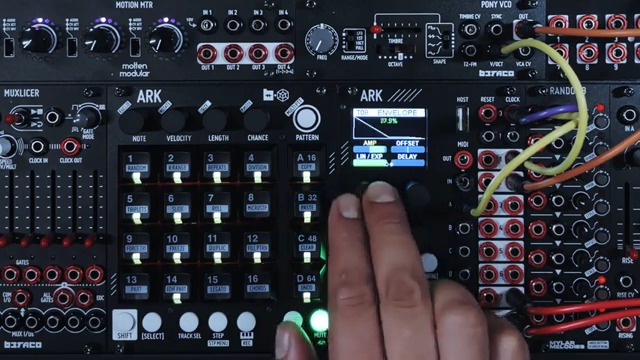
The video opens by laying out the basic landscape of ARK’s architecture, highlighting three primary device categories: CV devices, drum voices, and synth voices. This trio forms the beating heart of ARK’s modular approach, giving users a flexible toolkit for shaping both modulation and sound. By framing the tutorial around these categories, Befacosynth sets the stage for a deep dive into both the control and audio sides of their system, promising a practical exploration of what each device type actually contributes to a patch.
"We'll explore three of the available device categories: CV devices, drum voices and synth voices."
© Screenshot/Quote: Befacosynth (YouTube)
How Parameters Shape the Signal
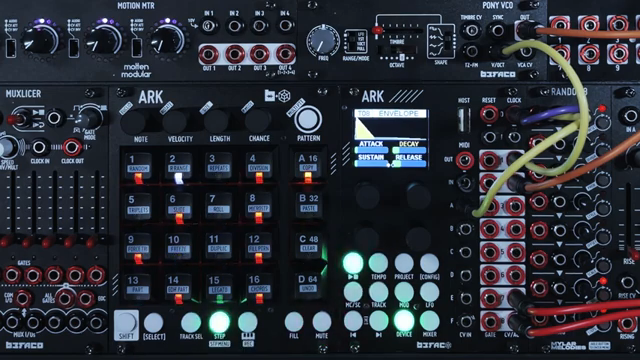
"We'll look at what each one does, how its main parameters shape the signal, and how you can use it in your own patches and sequences."
© Screenshot/Quote: Befacosynth (YouTube)
First up are the CV devices, which act as the modulation backbone within ARK. Befacosynth demonstrates how these tools can generate, process, and route control voltages to sculpt other parameters—think LFOs, envelopes, and logic modules that can be tweaked on the fly. The main parameters for these devices are shown to have a direct impact on the resulting modulation, giving users tangible ways to animate their patches.
Next, the tutorial shifts to drum and synth voices, showing how these audio-generating devices respond to parameter changes. Here, Befacosynth unpacks how tweaking pitch, decay, filter cutoff, and other hands-on controls transforms raw sounds into musical building blocks. This section is less about static settings and more about how real-time interaction with the device parameters can lead to dynamic and evolving sonic results.
From Theory to Patch: Real-World Integration
The latter part of the video moves from explanation to demonstration, with Befacosynth patching the highlighted devices into practical sequences. Here, the focus is on how each device can be slotted into larger modular setups, either as modulation sources shaping other modules or as standalone sound generators. The tutorial makes a point of showing how CV devices can add motion to sequences, while drum and synth voices provide the rhythmic and melodic content.
What stands out is the emphasis on experimentation and flexibility. Befacosynth encourages users to try different routings and parameter combinations, using ARK’s device categories as foundational blocks for more complex patches. The video’s approach is less about rigid workflows and more about giving users the confidence and knowledge to integrate these devices creatively into their own modular ecosystems.

"You can use these devices in your own patches and sequences to add modulation or sound sources as needed."
© Screenshot/Quote: Befacosynth (YouTube)
This article is also available in German. Read it here: https://synthmagazin.at/befacosynth-im-detail-arks-cv-drum-synth-devices-entschluesselt/
Watch on YouTube:
Latest articles
Watch on YouTube:
Visit the channel:
https://www.youtube.com/Befacosynth
https://www.youtube.com/Befacosynth
Links from Befacosynth:
website: https://www.befaco.org
shop: https://shop.befaco.org
instagram: https://www.instagram.com/befacosynth
facebook: https://www.facebook.com/befacosynth
twitter: https://x.com/Befaco
linktree: https://linktr.ee/Befaco
Sponsored links:
If you purchase via these links, we may earn a small commission – at no extra cost to you. The link opens an Amazon keyword search, and results may vary depending on availability.
Befaco ARK
🔗 Check price on Amazon
🔗 Check price on Amazon