If you think mixing is about throwing plugins at your tracks until something sticks, AP Mastering is here to slap that idea out of your DAW. In this turbo-charged intermediate tutorial, he tears through classic rock stems, showing how ruthless session prep, surgical gain structure, and a healthy disrespect for random processing can turn a raw mess into a mix that means business. Expect sarcasm, real-world tricks, and a brutal breakdown of why Dogma is his weapon of choice. Don’t blink – you might miss the secret handshake.
30. September 2026
SPARKY
AP Mastering Gets Ruthless: Mixing with Dogma Like It Owes You Money
Prep Like a Pro or Die Trying
AP Mastering doesn’t let you near a fader until your session’s tidier than a rave bunker after the council sweep. Forget the rookie urge to solo and smash compressors on everything – if your tracks aren’t named, grouped, and bussed, you’re just asking for a toaster-fight with your own workflow.
He zooms out to a bird’s-eye view: four main tracks – drums, bass, guitars, vocals. Inside those are the usual suspects, but the point is clarity, not detail for detail’s sake. AP’s philosophy? If you can’t see the big picture, you’re not ready to mix. And if you’re still manually wiring up a subkick with a busted NS10 woofer, you’re basically family.
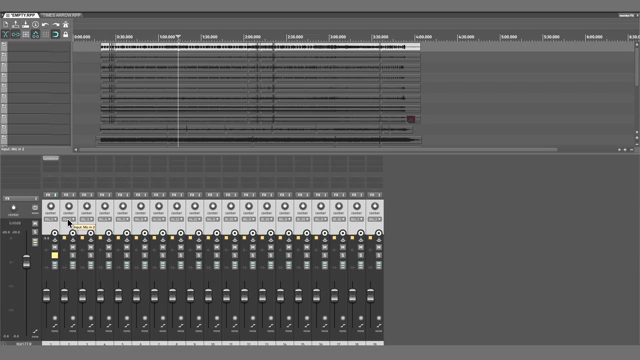
"No, that's not what we're going to be doing. That's the amateur way of working."
© Screenshot/Quote: Apmastering (YouTube)
Dogma Unleashed: Gain Structure or Bust
"It's not random, this is what forces proper gain structure in your session."
© Screenshot/Quote: Apmastering (YouTube)
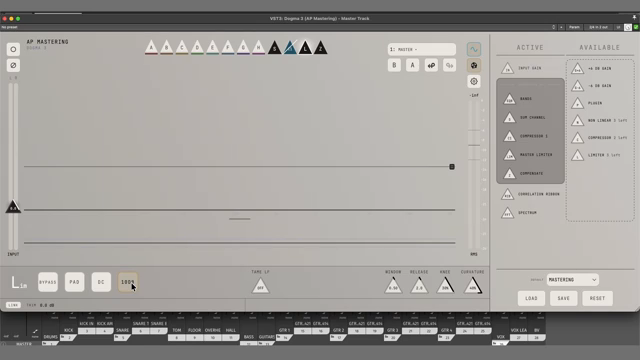
Here’s where the Dogma plugin takes the wheel – and it’s not taking prisoners. AP Mastering slaps Dogma on the master fader in master mode, enforcing a notorious 10 dB boost that keeps your gain structure honest. If you’re wondering why everything’s suddenly blowing up, that’s the point: get your levels right or get out.
Dogma’s chained onto every bus and key channel, but not every mic. No overkill – just targeted control. You’re not meant to be mixing at negative infinity, and AP shows how Dogma’s workflow makes it stupidly easy to spot what’s too hot and what’s not, even if you’re juggling 300 tracks of symphonic metal.
Drums: Classic Rock vs. Modern Mayhem
Forget copying YouTube drum recipes. AP draws a line in the sand: classic rock puts the overheads and room mics front and centre, letting close mics just support. Modern metal? Kick and snare are king, overheads are garnish. He picks the classic approach, dialling in overheads and hall mics first, then sneaking in close mics for punch.
Don’t get carried away boosting everything. AP’s method keeps the kit sounding like a kit, not a MIDI grid gone rogue. You want the room to sound fat and alive, not like the whole thing’s been hammered through a sausage machine.
"It's the classic kind of sound of rock."
© Screenshot/Quote: Apmastering (YouTube)
Fix What Sucks, Ignore the Rest
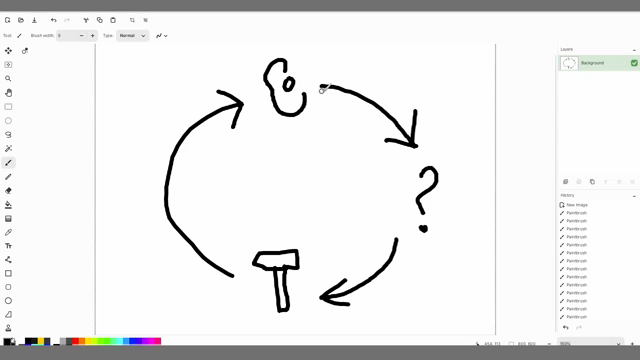
"We process stuff because we need to, because there is something deficient about the mix."
© Screenshot/Quote: Apmastering (YouTube)
AP Mastering’s golden rule: don’t process for fun – process because something’s broken. He listens, pinpoints what’s lacking, then acts. No aimless soloing or EQing because it looks cool. He levels out the bass and vocals, smashes out resonances with dynamic EQ, and only compresses where unevenness actually hurts the track.
This is mixing as street surgery – find the wound, apply the tool, move on. If you’re craving a paint-by-numbers plugin chain, you’re in the wrong bunker. Watch the video for the details, because writing out every parameter tweak would kill the vibe (and your will to live).
From Raw to Ruthless: The One-Window Showdown
Now the real fun begins. AP turns a lumpy demo into a mix with teeth, using Dogma’s channel strip to tame sibilance, add drive, and smash ambience until the kit sounds like it could headline a warehouse. He pans guitars, squeezes vocals, and even brings in unreleased reverb toys (blurred out for maximum tease).
The workflow stays inside Dogma’s one-window universe – bouncing between instances, tweaking as he listens. The result? A track that actually sounds finished, not just processed. If you want the gritty details and the full before/after punch, you’ll need to hear it for yourself. Some things just don’t fit in print.
This article is also available in German. Read it here: https://synthmagazin.at/ap-mastering-wird-gnadenlos-mixen-mit-dogma-als-ginge-es-ums-ueberleben/
Watch on YouTube:
Latest articles
Watch on YouTube:
Visit the channel:
https://www.youtube.com/APMastering
https://www.youtube.com/APMastering
Links from APMastering:
Website: https://apmastering.com
Instagram: https://instagram.com/ap_mastering/
Sponsored links:
If you purchase via these links, we may earn a small commission – at no extra cost to you. The link opens an Amazon keyword search, and results may vary depending on availability.
Dogma
🔗 Check price on Amazon
🔗 Check price on Amazon