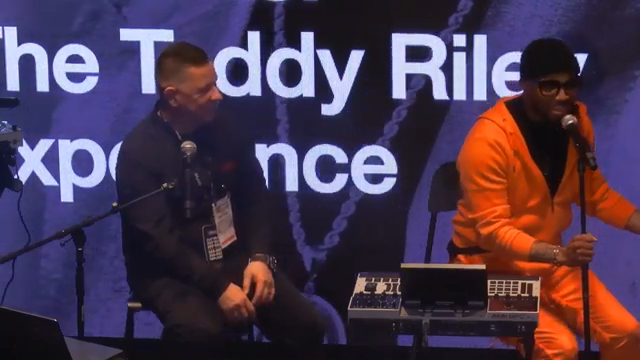
In this extended live interview, Akai Professional hosts the legendary Teddy Riley at NAMM 2026, offering a rare, producer-focused look into the creative mind that helped define the sound of New Jack Swing and modern R&B. Riley unpacks his journey with Akai gear, from early 12-tracks to the iconic MPCs, and shares the stories behind genre-defining tracks for Keith Sweat, Guy, Michael Jackson, Bobby Brown, and more. This is not just a nostalgia trip: the conversation reveals how workflow, sound design, and the unique architecture of Akai’s MPCs shaped both a musical era and Riley’s collaborative process. For anyone interested in the intersection of technology and groove, this is essential viewing.
7. March 2026
LYRA
Akai Professional: Teddy Riley and the MPC – A Timeline of Rhythm Innovation
Akai 12 Track, Akai MPC, Akai MPC2500 XL, Akai MPC3000, Akai MPC60, Akai S2000, Akai S3000, Korg DDD-1
A New Chapter: Teddy Riley and the Akai MPC Legacy
The interview opens with Teddy Riley reflecting on the foundational role Akai Professional played in his career and the broader music production landscape. Riley situates the MPC not as a mere tool, but as a catalyst for an entire generation of producers—himself included—who found their voice through Akai’s evolving hardware. The conversation is framed as a continuation of Akai’s story, with Riley acknowledging the brand’s influence on both his own development and that of countless others in the room.
Riley’s early journey with Akai began before the MPC even existed, starting with the Akai 12-track recorder. He recounts how he produced seminal records for Guy and Keith Sweat using this gear, long before he could afford a drum machine. The narrative is grounded in practical realities—borrowing equipment, making do with what was available, and gradually moving up through the MPC lineup as his career advanced. This sets the stage for a discussion that is as much about workflow and resourcefulness as it is about musical inspiration.

"It's a drum machine by the same company. I got to get it."
© Screenshot/Quote: Akai Pro (YouTube)
From 12-Track to Timeless Hits: The MPC’s Role in Rhythm-Driven Music
"Producers, when it feels good to you, it could be an off chord. Just believe in it, because it's going to work."
© Screenshot/Quote: Akai Pro (YouTube)
Riley details his transition from the Akai 12-track to his first drum machine, the Korg DDD-1, and eventually to the MPC—initially using the DDD-1’s sounds before acquiring new samples from collaborators like Jeff Lorber. He highlights the importance of sound libraries, referencing the Gray Sounds collection that became central to Michael Jackson’s “Dangerous” album. The technical evolution is intertwined with personal anecdotes, such as learning time-stretching on the S3000 and appreciating the unique character of different MPC models’ converters.
The interview then moves into a breakdown of specific tracks, starting with “Make It Last Forever.” Riley shares the creative process behind the song, emphasizing the fusion of church chords with hip-hop beats—a hallmark of his style. The workflow described is refreshingly organic: hooks and melodies are developed in the head, lyrics are built collaboratively, and the technology is leveraged to serve the emotional core of the music. The MPC, in this context, becomes an extension of Riley’s musical intent, enabling both experimentation and precision.
Riley’s approach to songwriting is rooted in lived experience, with relationship dynamics and personal stories feeding directly into the music. He notes that the best songs often emerge from moments of emotional intensity, and the MPC’s flexibility allowed him to capture these moments quickly and authentically. The section closes with a nod to the enduring nature of these tracks, which continue to be covered and sampled by new generations of artists.
Collaborative Genius: Behind the Tracks with Icons
Riley’s storytelling shifts to the collaborative process behind iconic tracks with Guy, Bobby Brown, and Michael Jackson. He recounts the formation of Guy, the serendipitous discovery of Aaron Hall, and the group’s rapid creative chemistry. The anecdotes are rich with detail—studio sessions, impromptu jam sessions, and the importance of musical signatures that distinguish each artist. Riley’s production philosophy is clear: every voice and every groove needs its own identity, and the MPC’s hands-on interface was crucial in capturing these nuances.
The segment also delves into the technical and interpersonal challenges of major projects, such as the high-pressure mixing sessions for Michael Jackson’s “Dangerous” album. Riley describes how mistakes—like recording without Dolby SR—sometimes led to unexpected sonic advantages, and how the MPC’s sampling and sequencing capabilities facilitated rapid iteration and collaborative experimentation. The stories reveal a workflow that is both disciplined and open to happy accidents, with technology and human creativity in constant interplay.

"You've got to have a signature, something that you do."
© Screenshot/Quote: Akai Pro (YouTube)
Enduring Influence: The MPC and the Evolution of Modern Production
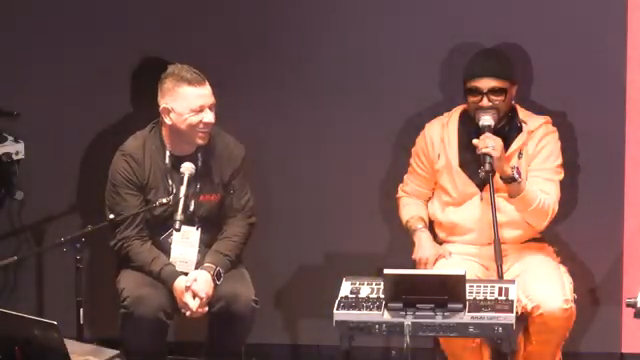
"If I give you the same sounds, you're going to make something different. I'm going to make something different. He's going to make something different. And it becomes a nucleus. And that's how you create the magic."
© Screenshot/Quote: Akai Pro (YouTube)
The final section reflects on the lasting impact of Teddy Riley’s work and the continued relevance of the MPC in contemporary music production. Riley discusses how his genre-defining sound—New Jack Swing—became a blueprint for countless artists, and how the MPC’s architecture enabled this innovation. The conversation touches on the ways in which sampling, time-stretching, and creative use of effects have become standard practice, with Riley’s techniques still inspiring producers today.
The interview closes with a celebration of musical community and the importance of sharing knowledge. Riley’s stories about trading samples, collaborating with engineers, and adapting to new genres underscore the MPC’s role as both a technological and cultural bridge. The message is clear: while gear evolves, the core principles of creativity, collaboration, and signature sound remain at the heart of great music. Akai Professional’s MPC continues to be a central tool in this ongoing journey.
This article is also available in German. Read it here: https://synthmagazin.at/akai-professional-teddy-riley-und-die-mpc-eine-zeitreise-der-rhythmus-innovation/
More articles about these products:
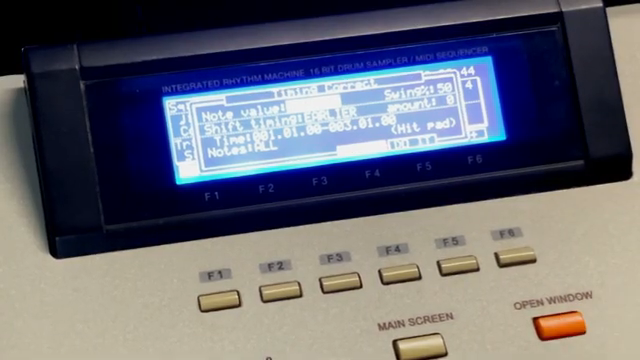 Verysickbeats’ Bootleg Swing: Cooking Up MPC3000 Grooves on Your MPC2000XL
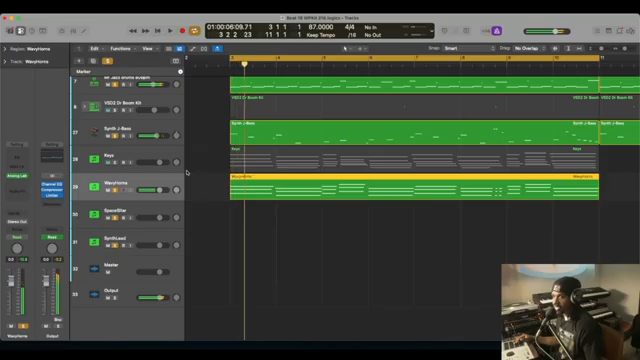 Verysickbeats Makes Classic MPCs Sing: Chords for the Rest of Us
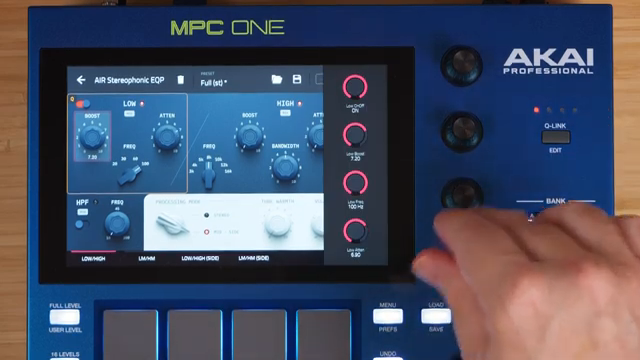 Tefty Music Tech Drops the Pultec: MPC Users Get That Classic Slap
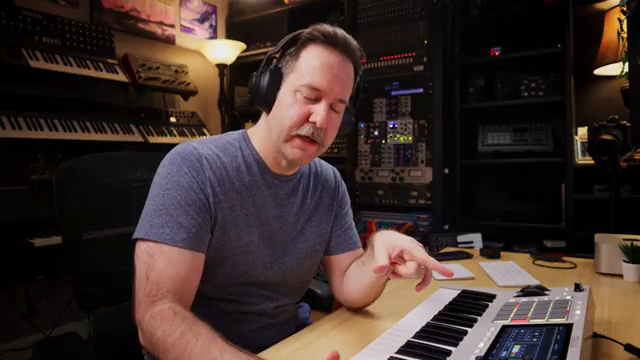 Tefty Music Tech Fires Up AIR Vintage Synths Vol. 2: MPC Heat or Sample Hype?
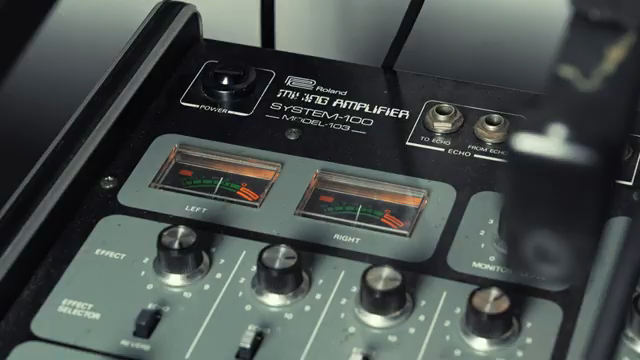 Sampling Royalty: Alex Ball Breaks Down the Akai MPC60’s Sonic Legacy
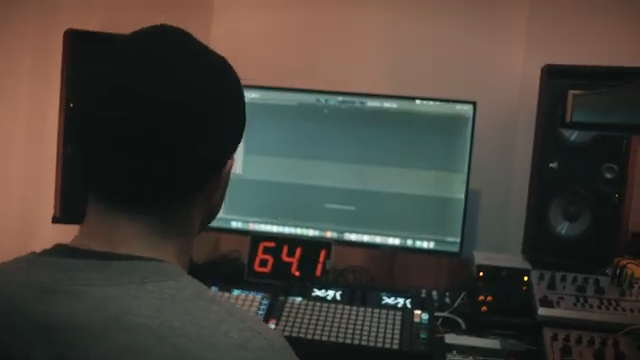 Voltage Labs x Space Dimension Controller: Amsterdam Studio Tour with Sampler Obsession and Acid Tech Tricks
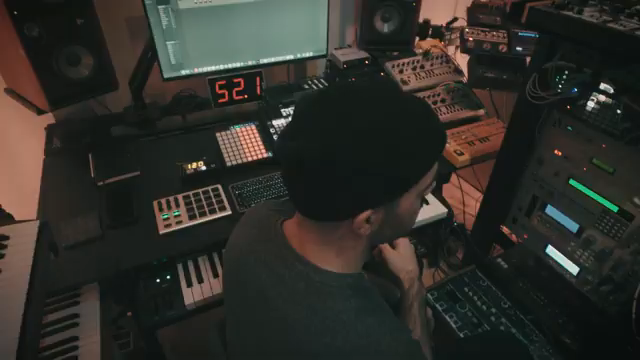 Voltage Labs: Space Dimension Controller and the Ghosts in the Akai Machine
 Sonic Blueprints: Sanjay C Journeys Through Teddy Riley’s Nebula
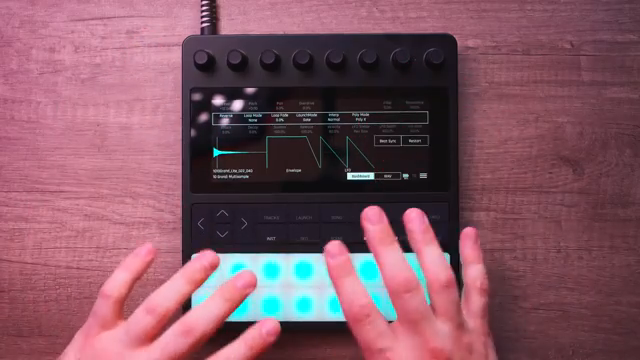 The Midlife Synthesist Puts 1010music Bento Through Its Paces: First Impressions from the Sonic Trenches
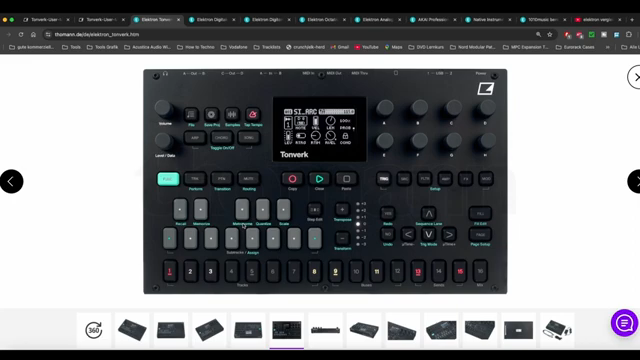 AudioTutorialExperts: The Battle of Sound Machines – Elektron Tonverk in Comparison
 MidlifeSynthesist Rocks the Lo Fly Dirt Plugin: A Crunchy Odyssey
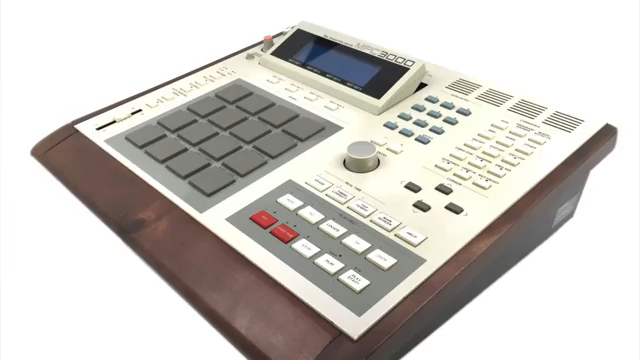 MidlifeSynthesist Unlocks the MPC’s Secret Weapon
Watch on YouTube:
Latest articles
Watch on YouTube:
Visit the channel:
https://www.youtube.com/Akai_Pro
https://www.youtube.com/Akai_Pro
Links from Akai_Pro:
website: https://akaipro.com
instagram: https://instagram.com/akai_pro
facebook: https://www.facebook.com/AkaiPro
twitter: https://twitter.com/akai_pro
google_plus: https://plus.google.com/107127819149441645522/posts
Sponsored links:
If you purchase via these links, we may earn a small commission – at no extra cost to you. The link opens an Amazon keyword search, and results may vary depending on availability.
Akai 12 Track
🔗 Check price on Amazon
🔗 Check price on Amazon
Akai MPC
🔗 Check price on Amazon
🔗 Check price on Amazon
Akai MPC2500 XL
🔗 Check price on Amazon
🔗 Check price on Amazon
Akai MPC3000
🔗 Check price on Amazon
🔗 Check price on Amazon
Akai MPC60
🔗 Check price on Amazon
🔗 Check price on Amazon
Akai S2000
🔗 Check price on Amazon
🔗 Check price on Amazon
Akai S3000
🔗 Check price on Amazon
🔗 Check price on Amazon
Korg DDD-1
🔗 Check price on Amazon
🔗 Check price on Amazon