Akai Professional’s MPC series has long been a cornerstone for beatmakers and producers, and with the new MPC XL, the brand aims to bridge its storied past with cutting-edge production capabilities. In this official video, legendary producer Teddy Riley revisits his creative roots, sharing how the MPC’s workflow shaped his sound and continues to inspire him. The MPC XL is presented as a powerhouse for both nostalgia and innovation, promising full-scale instrument support, enhanced speed, and standalone performance. We dive into how Akai’s latest flagship is positioned to empower the next chapter for creators—whether you’re a seasoned MPC veteran or a newcomer seeking that signature groove.
21. January 2026
LYRA
Akai Professional MPC XL: Teddy Riley’s Legacy Meets Next-Gen Production Power
Full Circle: MPC XL and Teddy Riley’s Production DNA
The MPC XL arrives as a modern reimagining of Akai Professional’s iconic production platform, and in this video, Teddy Riley’s presence is more than just a celebrity endorsement—it’s a testament to the MPC’s enduring influence on music creation. Riley recounts his early days with Akai gear, starting with the 12-track in the mid-1980s, before moving through drum machines like the Oberheim and the 808, and ultimately landing on the MPC. This progression wasn’t just about upgrading hardware; it marked a shift in how he approached rhythm, sampling, and the speed of production.
For Riley, the MPC was a game-changer that allowed him to churn out hits with remarkable efficiency. He credits the platform for enabling a workflow that was both fast and creatively liberating, a sentiment that’s echoed in the way he describes moving from basic drum machines to the more sophisticated sampling and sequencing of the MPC 3000. The MPC XL, then, is positioned as a return to—and an evolution of—this foundational workflow, promising to deliver that same spark with even greater power and flexibility.
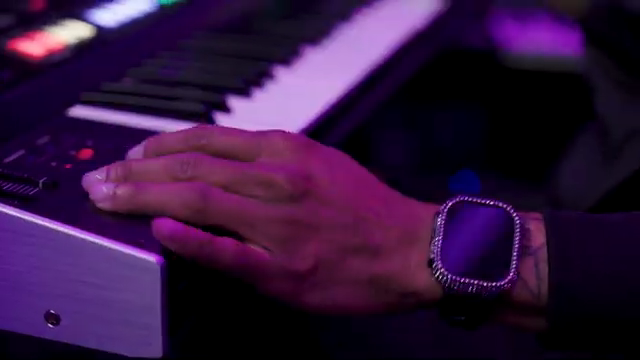
"The MPC was one of the machines that really took a lot of time off, and we were able to crank records out quick."
© Screenshot/Quote: Akai Pro (YouTube)
Modern Muscle: Instruments, Speed, and Standalone Power
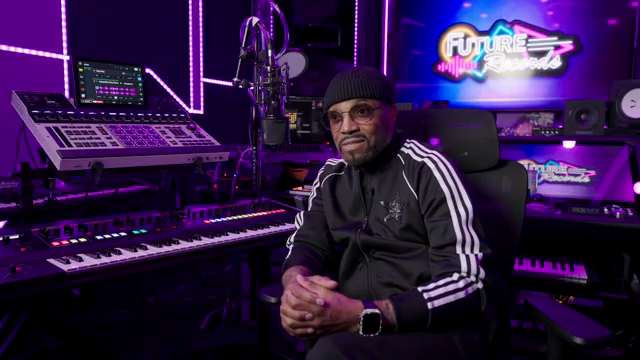
"This here just gave me a whole new excitement because it has everything."
© Screenshot/Quote: Akai Pro (YouTube)
One of the headline features highlighted in the video is the MPC XL’s ability to run full-scale instruments, a leap that Riley describes as giving him “a whole new excitement because it has everything.” This isn’t just about more sounds or presets; it’s about the raw processing power to handle complex instrument libraries and effects chains without breaking a sweat. The implication is clear: the MPC XL is built to be a true standalone powerhouse, capable of supporting demanding modern workflows without the need for a computer.
Enhanced speed is another focal point, both in terms of the hardware’s responsiveness and the creative workflow it enables. Riley’s reflections on the original MPC’s ability to “crank records out quick” are now amplified by the XL’s advanced architecture. The video positions the MPC XL as a tool that not only keeps up with the pace of inspiration but actively accelerates it, letting producers focus on the music rather than technical bottlenecks.
Creative Freedom: Teddy Riley’s Workflow on the MPC XL
Riley’s approach to music-making is all about creative freedom, and the MPC XL is presented as the ideal platform for this ethos. He discusses his preference for working outside strict quantization, moving elements around by ear to achieve a groove that feels human and alive. Layering drums from the bottom up, adding dirty hi-hats and shakers for texture, and leveraging the MPC’s sampling capabilities—all of these techniques are shown as integral to his process. The XL’s expanded features promise to make these workflows even more accessible and immediate, reinforcing the idea that technology should serve the artist’s intuition, not the other way around.
Nostalgia and Innovation: The MPC’s Lasting Impact
Throughout the video, Riley’s reflections are steeped in nostalgia, but they’re never just about looking back. He recalls how the original MPC took the new jack swing sound to new heights, enabling a different approach to beat-making and song construction. The limitations of early sampling—short memory, piecing together fragments—are contrasted with today’s expanded capabilities, which Riley describes as “the same thing, but it’s on steroids.”
This sense of coming full circle is palpable. Riley sees the MPC XL as both a continuation of the tradition that shaped his career and a platform for future innovation. The video underscores how the MPC’s legacy isn’t just about hardware; it’s about a philosophy of music-making that values speed, flexibility, and the freedom to experiment. For Riley, and for many producers, the MPC is more than a tool—it’s a creative home.
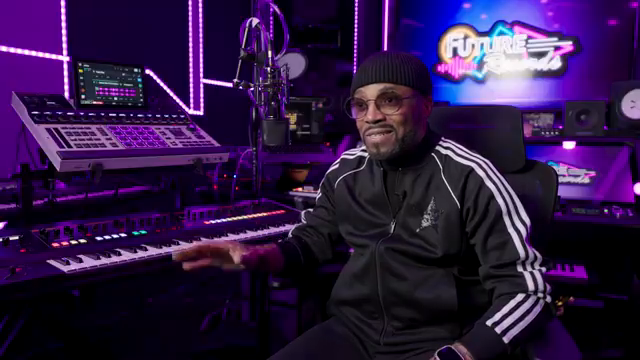
"So it's like, that's what it means to me, coming home."
© Screenshot/Quote: Akai Pro (YouTube)
Inspiration Engine: MPC XL for the Next Generation
The closing moments of the video frame the MPC XL as an instrument poised to inspire both veterans and newcomers. Riley expresses a sense of renewal, suggesting that the XL will help him create his “next chapter” in music. The message is clear: Akai Professional isn’t just selling a piece of hardware—they’re offering a platform for ongoing creativity, rooted in tradition but built for the future. Whether you’re chasing nostalgia or forging new sounds, the MPC XL is positioned as a catalyst for musical evolution.
This article is also available in German. Read it here: https://synthmagazin.at/akai-professional-mpc-xl-teddy-rileys-vermaechtnis-trifft-auf-next-gen-produktionspower/
Watch on YouTube:
Latest articles
Watch on YouTube:
Visit the channel:
https://www.youtube.com/Akai_Pro
https://www.youtube.com/Akai_Pro
Links from Akai_Pro:
website: https://akaipro.com
instagram: https://instagram.com/akai_pro
facebook: https://www.facebook.com/AkaiPro
twitter: https://twitter.com/akai_pro
google_plus: https://plus.google.com/107127819149441645522/posts
Sponsored links:
If you purchase via these links, we may earn a small commission – at no extra cost to you. The link opens an Amazon keyword search, and results may vary depending on availability.
Akai Professional MPC XL
🔗 Check price on Amazon
🔗 Check price on Amazon