YOUTUBER: MAKEN0ISE

5. March 2026

MILES

Make Noise Skiff Systems: Compact Powerhouses in Modular Synthesis

© Picture: MAKEN0ISE (YouTube)

Make Noise Skiff Systems: Compact Powerhouses in Modular Synthesis

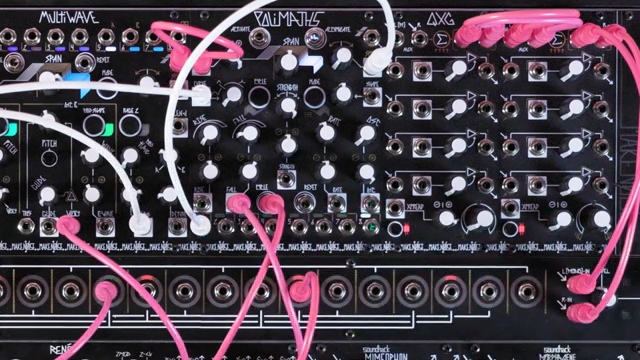
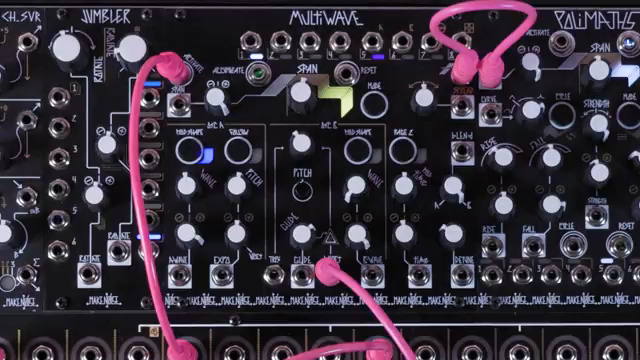
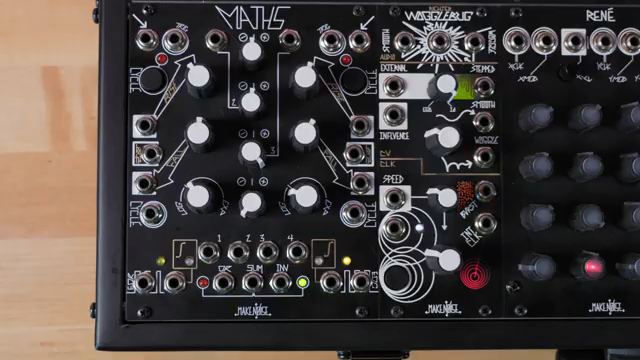
Make Noise, the Asheville-based purveyors of modular mischief, present a double-header in this video: the Tape & Microsound Music Machine and the New Universal Skiff System. Both systems are compact, skiff-friendly setups, but don’t let their size fool you—there’s a wealth of patching potential packed inside. The video dives into creative routing, parallel processing, and modulation trickery, all with that signature Make Noise flair for the experimental. If you’ve ever wondered what happens when you patch two small systems together and let the signal paths tangle, this is a deep-dive worth your voltage.

, , , , , , , , , , , , ,

26. February 2026

LYRA

MAKEN0ISE Connects MultiWAVE and Music Mouse: Digital Control, Modular Sound

© Picture: MAKEN0ISE (YouTube)

MAKEN0ISE Connects MultiWAVE and Music Mouse: Digital Control, Modular Sound

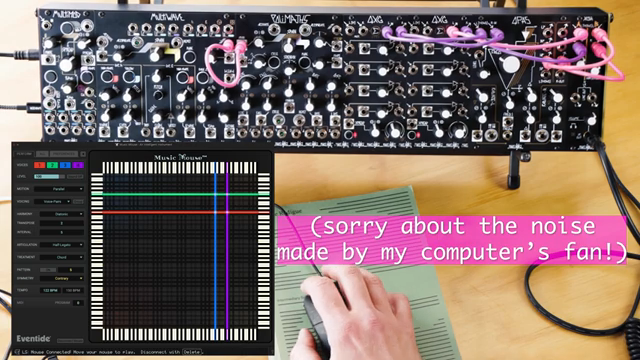
Make Noise, the Asheville-based modular mavericks, dive into a cross-generational experiment by pairing their MultiWAVE module with Laurie Spiegel’s reissued Music Mouse software from Eventide. This video is less about algorithmic wizardry and more about real-time, hands-on interaction—using the mouse as a musical instrument to drive modular synthesis. The Make Noise team demonstrates how this digital-meets-analog workflow opens up new creative territories, layering MIDI-driven melodies and patterns with the sonic depth of MultiWAVE. If you’re curious about integrating classic software interfaces with modern Eurorack, this is a workflow exploration you’ll want to see.

,

12. February 2026

MILES

MIDI, CV and the Make Noise N.U.S.S.: Skiff System in Hybrid Action

© Picture: MAKEN0ISE (YouTube)

MIDI, CV and the Make Noise N.U.S.S.: Skiff System in Hybrid Action

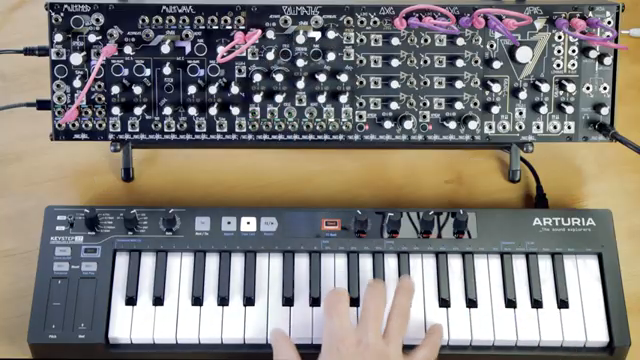
Make Noise, the Asheville-based architects of modular mischief, return with a hands-on look at their New Universal Skiff System (N.U.S.S.), this time exploring the crossroads of MIDI and CV. In this video, the team demonstrates how the N.U.S.S. can serve as a flexible hub for both digital and analogue sequencing, using a MIDI keyboard and classic CV sources to drive intricate patterns and evolving soundscapes. Expect a patch-oriented walkthrough, peppered with practical modulation tricks and a healthy disregard for the boundaries between MIDI and voltage. If you’ve ever wondered how Make Noise envisions hybrid control in a modern Eurorack setup,

, , , , ,

25. January 2026

MILES

Make Noise Unveils the Universal Skiff System: Polyphony and MIDI in a Compact Modular Format

© Picture: MAKEN0ISE (YouTube)

Make Noise Unveils the Universal Skiff System: Polyphony and MIDI in a Compact Modular Format

Make Noise, the Asheville-based vanguard of Eurorack experimentation, has announced the New Universal Skiff System (N.U.S.S.), a compact modular setup designed for multi-channel synthesis and polyphonic adventures. This system brings together a curated selection of Make Noise modules, including MultiWAVE, PoliMATHS, QXG, MultiMod, QPAS, and XOH, all powered by a newly engineered 2-Zone Bus Board. With integrated USB-C MIDI and MPE support, the Universal Skiff System aims to bridge the gap between modular and DAW workflows. For those wanting to roll their own, the N.U.S.S. Bundle offers the core modules separately, while the upgraded power solution promises cleaner, more reliable

, , , , , , ,

15. January 2026

MILES

MAKEN0ISE: Strumming the Grid – A Patch Adventure Beyond Sequencing

© Picture: MAKEN0ISE (YouTube)

MAKEN0ISE: Strumming the Grid – A Patch Adventure Beyond Sequencing

In this latest Make Noise video, the Asheville-based modular mavericks take us on a deep dive into a patch that sidesteps traditional sequencing in favour of a strumming technique. Rather than sticking to the usual grid-based routines, the patch explores slow-cycling modulation, creative signal routing, and evolving harmonic landscapes. As always, Make Noise’s approach is exploratory and open-ended, showing just how far their modules can be pushed when you think outside the step sequencer. If you’re curious about inventive workflows and the sonic quirks of Make Noise gear, this patch breakdown is a goldmine.

, , , , , , , , , ,

8. January 2026

MILES

MAKEN0ISE MultiWave: Gliding into Polyphonic Possibilities

© Picture: MAKEN0ISE (YouTube)

MAKEN0ISE MultiWave: Gliding into Polyphonic Possibilities

Make Noise, the Asheville-based modular mavericks, kick off the new year with a deep dive into the MultiWave’s glide control—a feature that promises more than just slippery pitch bends. In this official walkthrough, the Make Noise team demonstrates how the MultiWave stands apart from typical analog VCOs, offering independent glide per voice and real-time modulation for evolving textures. For those who think glide is just a bit of portamento, think again: this module’s approach opens up a world of polyphonic movement and nuanced sequencing. If you’re curious about how a dedicated glide circuit can transform your patches, this video is

13. November 2025

MILES

Make Noise MultiWAVE: Eightfold Polyphony for the Modular Frontier

© Picture: MAKEN0ISE (YouTube)

Make Noise MultiWAVE: Eightfold Polyphony for the Modular Frontier

Make Noise, the Asheville vanguard of modular experimentation, unveils the MultiWAVE: an 8-channel dual wavetable oscillator designed to be the polyphonic heart of their New Universal Synthesizer System—or a wild card in any Eurorack rig. This official video walks us through MultiWAVE’s architecture, from its dual-oscillator-per-channel design to its advanced modulation and polyphony tools. As is typical for Make Noise, the focus is on creative signal flow, shared control concepts, and patching methods that invite you to explore unfamiliar musical territory. If you’re after a module that turns a single gesture into a forest of voices, this one’s worth a

, ,

13. November 2025

MILES

Make Noise Output Mixing: Exploring Submixing on PoliMATHS and MultiWAVE

© Picture: MAKEN0ISE (YouTube)

Make Noise Output Mixing: Exploring Submixing on PoliMATHS and MultiWAVE

Make Noise, the Asheville-based modular mavericks, are back with a deep dive into output mixing on their latest modules: PoliMATHS and MultiWAVE. In this official walkthrough, the team demonstrates how both modules allow for flexible submixing, letting users group channels in unconventional ways for both modulation and voicing. The video walks through the button combinations needed to engage these features, shows off the LED feedback, and provides patch examples that highlight the creative potential of these submixes. If you’re curious about how these modules can slot into your rack for more complex signal routing, this is essential viewing.

,

13. November 2025

LYRA

MAKEN0ISE MultiWAVE: MultiMod LFO Architecture for Deep Timbre Modulation

© Picture: MAKEN0ISE (YouTube)

MAKEN0ISE MultiWAVE: MultiMod LFO Architecture for Deep Timbre Modulation

Make Noise’s MultiWAVE module takes a digital deep dive into timbral modulation, harnessing a MultiMod-styled LFO to animate wavetables across two oscillators. In this official walkthrough, the Asheville-based experimentalists demonstrate how their signature modulation architecture translates into hands-on sound design, with a focus on independent shapes, modulation speeds, and advanced page 2 options. If you’re curious about how digital LFOs can sculpt complex sonic movement—or how Make Noise’s workflow philosophy manifests in their latest module—this video offers a precise, architecture-driven look at the MultiWAVE’s modulation engine.

13. November 2025

MILES

MAKEN0ISE PoliMATHS: Exploring Dual Cycle Modes for Modular Mayhem

© Picture: MAKEN0ISE (YouTube)

MAKEN0ISE PoliMATHS: Exploring Dual Cycle Modes for Modular Mayhem

PoliMATHS, the latest modular offering from MAKEN0ISE, brings a fresh twist to cycling function generators with its two distinctive cycle modes. In classic Make Noise fashion, the official video walks us through both the simultaneous and chained cycling behaviours, showing how these modes can unlock new rhythmic and sequencing possibilities. Whether you’re after intricate polyrhythms or evolving cascades of modulation, PoliMATHS aims to be more than just another Maths clone—it’s a playground for patchers who crave interaction and control. Let’s dissect what these cycle modes actually do, how they’re accessed, and what creative doors they might open in a real-world