YOUTUBER: MAKEN0ISE

13. November 2025

MILES

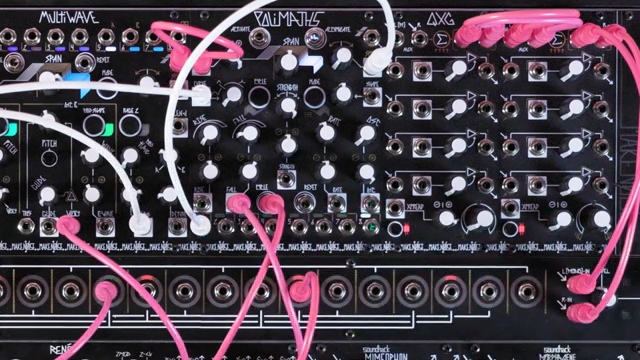
Make Noise Output Mixing: Exploring Submixing on PoliMATHS and MultiWAVE

© Picture: MAKEN0ISE (YouTube)

Make Noise Output Mixing: Exploring Submixing on PoliMATHS and MultiWAVE

Make Noise, the Asheville-based modular mavericks, are back with a deep dive into output mixing on their latest modules: PoliMATHS and MultiWAVE. In this official walkthrough, the team demonstrates how both modules allow for flexible submixing, letting users group channels in unconventional ways for both modulation and voicing. The video walks through the button combinations needed to engage these features, shows off the LED feedback, and provides patch examples that highlight the creative potential of these submixes. If you’re curious about how these modules can slot into your rack for more complex signal routing, this is essential viewing.

,

13. November 2025

LYRA

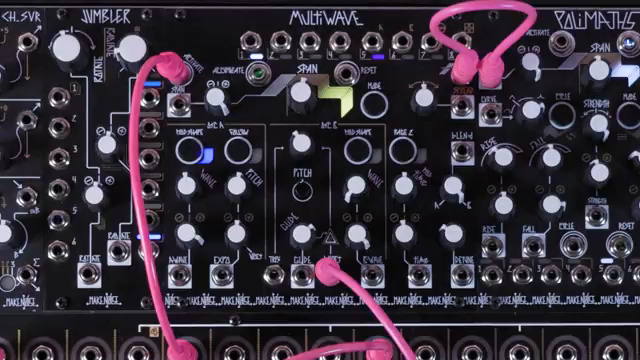
MAKEN0ISE MultiWAVE: MultiMod LFO Architecture for Deep Timbre Modulation

© Picture: MAKEN0ISE (YouTube)

MAKEN0ISE MultiWAVE: MultiMod LFO Architecture for Deep Timbre Modulation

Make Noise’s MultiWAVE module takes a digital deep dive into timbral modulation, harnessing a MultiMod-styled LFO to animate wavetables across two oscillators. In this official walkthrough, the Asheville-based experimentalists demonstrate how their signature modulation architecture translates into hands-on sound design, with a focus on independent shapes, modulation speeds, and advanced page 2 options. If you’re curious about how digital LFOs can sculpt complex sonic movement—or how Make Noise’s workflow philosophy manifests in their latest module—this video offers a precise, architecture-driven look at the MultiWAVE’s modulation engine.

13. November 2025

MILES

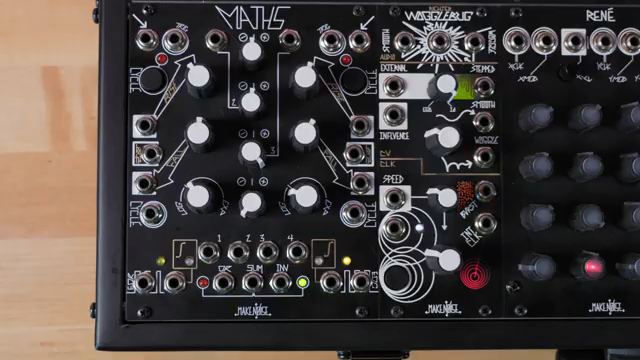
MAKEN0ISE PoliMATHS: Exploring Dual Cycle Modes for Modular Mayhem

© Picture: MAKEN0ISE (YouTube)

MAKEN0ISE PoliMATHS: Exploring Dual Cycle Modes for Modular Mayhem

PoliMATHS, the latest modular offering from MAKEN0ISE, brings a fresh twist to cycling function generators with its two distinctive cycle modes. In classic Make Noise fashion, the official video walks us through both the simultaneous and chained cycling behaviours, showing how these modes can unlock new rhythmic and sequencing possibilities. Whether you’re after intricate polyrhythms or evolving cascades of modulation, PoliMATHS aims to be more than just another Maths clone—it’s a playground for patchers who crave interaction and control. Let’s dissect what these cycle modes actually do, how they’re accessed, and what creative doors they might open in a real-world

13. November 2025

MILES

MAKEN0ISE’s Universal Synthesizer System: A Modular Starting Patch Dissected

© Picture: MAKEN0ISE (YouTube)

MAKEN0ISE’s Universal Synthesizer System: A Modular Starting Patch Dissected

Make Noise, the Asheville-based champions of modular experimentation, introduce their New Universal Synthesizer System with a patch that’s less a rulebook and more a springboard. In this official walkthrough, the Make Noise team demonstrate how Multi-Wave, Polymaths, and QXG modules can be chained for immediate sonic results. The video is all about patching philosophy: there’s no ‘correct’ way, but this setup offers a practical launchpad for exploring the system’s interconnections and modulation tricks. For those who think in voltages and crave patchable complexity, it’s a revealing look at how these modules want to be played together.

, , , , ,

6. November 2025

MILES

MAKEN0ISE PoliMATHS: Oscillation, Submixing, and Audio-Rate Adventures

© Picture: MAKEN0ISE (YouTube)

MAKEN0ISE PoliMATHS: Oscillation, Submixing, and Audio-Rate Adventures

Make Noise, the Asheville-based maestros of modular mischief, dive deep into the less obvious corners of their PoliMATHS module in this exploratory video. The focus here is on how PoliMATHS can be more than just a modulation workhorse: it’s shown as a flexible audio-rate oscillator, a clever submixer, and a source of layered, complex signals. If you’ve ever wondered how to wrangle eight function generators into something more than the sum of their parts—or how to patch up a storm without a tangle of cables—this walkthrough is a must-watch for the patch-hungry and the curious alike.

, , ,

30. October 2025

MILES

Make Noise PoliMATHS: A Deep Dive into Span Modes and Modular Possibilities

© Picture: MAKEN0ISE (YouTube)

Make Noise PoliMATHS: A Deep Dive into Span Modes and Modular Possibilities

Make Noise, the Asheville-based champions of modular experimentation, return with a focused exploration of their new PoliMATHS module. In this official video, the team walks through the three distinctive span modes—Channel Index, Round, and Parallel—each unlocking a different approach to pattern generation across the module’s eight channels. Expect a patch-oriented demonstration, with voltage addressing, clocked sequencing, and clock division all on the menu. For those who thrive on creative modulation and intricate signal routing, this is a revealing look at how PoliMATHS can become the nerve centre of a Eurorack setup.

, , , , , , , ,

9. October 2025

MILES

All the Cycles: Make Noise’s Multimod, Polimaths and the Art of Modular Modulation

© Picture: MAKEN0ISE (YouTube)

All the Cycles: Make Noise’s Multimod, Polimaths and the Art of Modular Modulation

Make Noise, the Asheville-based champions of experimental modular, return with a deep dive into their new universal synthesizer system. In this video, the team explores the Multimod module and its evolving relationship with Polimaths and QXG, revealing how firmware updates and clever cycling modes open up a world of modulation possibilities. Expect a patch-oriented walkthrough, a look at the new USB update process, and a taste of how these modules interact to create complex, stereo-rich soundscapes. It’s classic Make Noise: exploratory, a bit eccentric, and always focused on what happens when you let the patch cables lead the way.

, , ,

2. October 2025

MILES

Make Noise PoliMATHS: Eight Channels of Function-Driven Polyphony for Modular Explorers

© Picture: MAKEN0ISE (YouTube)

Make Noise PoliMATHS: Eight Channels of Function-Driven Polyphony for Modular Explorers

Make Noise, the Asheville-based champions of modular oddity, return with PoliMATHS—a bold eight-channel CV and audio event generator designed to supercharge the New Universal Synthesizer System (NUSS) or any Eurorack setup. This official walkthrough dives into how PoliMATHS distills complex function generation into a single set of controls, unleashing a patchable playground of envelopes, oscillations, and polyphonic tricks. If you’ve ever wished your Maths could multiply, or your function generators could talk to each other behind the rack, this video is your invitation to a new world of modular choreography. Let’s see how Make Noise’s latest creation rewires the rules

,

18. September 2025

MILES

MAKEN0ISE and the Art of the Graphic Score: Iteration 4 Explored

© Picture: MAKEN0ISE (YouTube)

MAKEN0ISE and the Art of the Graphic Score: Iteration 4 Explored

Make Noise’s latest video dives into Iteration 4 of the 12 String Iterative Music Project, shifting the focus from patching and reels to the creation of graphic scores. True to the brand’s avant-garde ethos, this episode explores how modular musicians can move beyond traditional patching and embrace composition as a collaborative, visual, and narrative-driven process. With references to Terrence Dwyer’s tape music philosophies and a growing library of unique sound splices, the project invites the community to experiment with new forms of musical storytelling. It’s a fascinating look at how experimental synthesis can blur the lines between notation, sound design,

28. August 2025

MILES

MAKEN0ISE and the Touch Tone Time Machine: Synthesising Nostalgia in Eurorack

© Picture: MAKEN0ISE (YouTube)

MAKEN0ISE and the Touch Tone Time Machine: Synthesising Nostalgia in Eurorack

Ever dialled a phone and thought, “that’s a patchable sound source”? MAKEN0ISE’s latest video, hosted by Pete, dives straight into the sonic archaeology of the Touch Tone era. Using classic modular techniques and a handful of familiar modules, Pete demonstrates how to recreate those iconic dial tones, ringbacks, and even the screech of a dial-up modem—all with gear you might already have in your rack. The focus here is on tuning, oscillator interplay, and creative patching, with a healthy dose of nostalgia and practical tips for integrating these sounds into modern workflows. If you’ve ever wondered how to turn a

, ,