Brace yourself for a sonic assault as Tonepusher guides us through five anarchic steps to crafting industrial metal, with tips that’ll make your speakers quiver like a malfunctioning toaster.

18. October 2025
JET
Tonepusher’s Industrial Metal Mayhem: A Wild Ride in Five Steps
Access Virus, Eurobass 3, Kali Reverb, Nembrini Audio 8180, Neural DSP Parallax, Waldorf Synths
Beat Chaos – Drum like Rammstein
Kicking things off, Tonepusher dives into the rhythmic heart of industrial metal: the drums. It’s all about nailing that relentless four-on-the-floor beat, a staple that Rammstein has built a career on. But it doesn’t stop there; adding offbeat hi-hats injects a dose of energy, shaking things up like a punk gig in full swing. And let’s not forget the audacious ‘hammer beat.’ It might sound like a proper drummer’s nightmare, but it packs a punch that sets the foundation for an industrial onslaught. Tonepusher isn’t shy about layering in metallic hits either, pushing the mechanical mania to new heights.

"Rammstein built their whole sound on this one."
© Screenshot/Quote: Tonepusher (YouTube)
Guitars – Riffs to Rattle the Soul
"Go for that tight palm muted riffs, often simple but heavy, locked in with the drums."
© Screenshot/Quote: Tonepusher (YouTube)
When it comes to the guitar section, think heavy, think tight, think monolithic riffs that hit like a bulldozer. Tonepusher darts straight for the jugular, recommending high-gain amps like the Mesa Boogie and 5150 – gear that’s become folklore among metal guitarists. In particular, there’s mention of the Nembrini Audio amps, including the 8180 and the Kali Reverb, both delivering a thunderous roar. His approach is less about melody and more about rhythm, and palm muting is your new best mate. Get those riffs locked tight with the drums, an unstoppable wall of sound to rattle the soul. This segment gives a nod to classic techniques but with modern ferocity, ensuring the sound remains raw and electrifying, akin to the very essence of industrial metal.
The Overlooked Hero – Bass in Industrial Metal
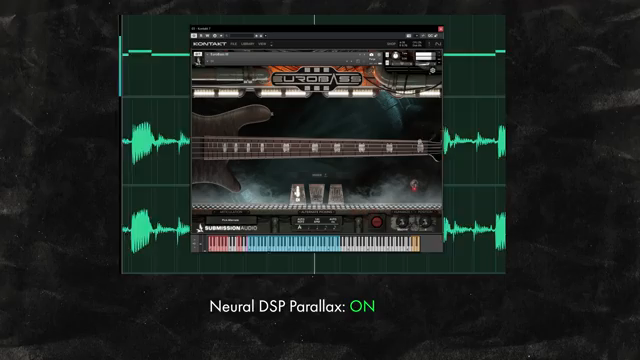
Bass is often the unsung hero in any band, but Tonepusher makes sure it gets its due. Industrial metal demands that the bass not only keeps pace but accentuates the savage riffs laid down by the guitars. A strong bass tone is crucial; without it, everything crumbles like a dodgy tower block. For Tonepusher, tools like Eurobass 3 combined with Neural DSP Parallax are indispensable, delivering a punch that matches the upper frequencies blow for blow. It’s all about following those guitar riffs closely, maintaining tightness, and ensuring that the low end doesn’t devolve into a murky mess.
Synths – The Icing on the Mechanical Cake
In the realm of industrial metal, synthesizers transform a metal track into an electronic behemoth. Tonepusher doesn’t hold back, bringing synths like the Access Virus and Waldorf into the spotlight. These instruments, favored by industrial legends, are your ticket to that cold, metallic sheen. Sampling synths can lend tracks an eerie precision, like a malfunctioning factory gone rogue. Arpeggiated riffs are a favorite technique, locking synth rhythms tightly with guitar layers, creating that signature Rammstein-style frenzy. It’s deftly about simplicity; no need for complex solos when the focus is on driving, mechanical grooves. It’s like watching a high-tech robot run amok, and we wouldn’t have it any other way.
"Industrial metal without synthesizers just isn't the same."
© Screenshot/Quote: Tonepusher (YouTube)
Vocals – Finding the Industrial Voice

"I don't understand a single word of what he said but it sounds awesome."
© Screenshot/Quote: Tonepusher (YouTube)
Tonepusher admits vocals are not his forte, but that doesn’t stop this train. He cleverly ropes in a German singer to lend authenticity to the track, even if the lyrics remain a mystery to non-German speakers. The emphasis is on the sound, the passion, and the raw energy that the vocals bring to the table. It’s less about pristine execution and more about capturing that visceral feeling, like an intense pub brawl where only the strong survive. This segment is all about embracing the chaos of industrial metal, where clarity is often sacrificed for emotion. It’s as if the vocal cords are another instrument, adding texture and muscle to the sonic tapestry.
This article is also available in German. Read it here: https://synthmagazin.at/tonepushers-industrial-metal-chaos-ein-wilder-ritt-in-fuenf-schritten/
Watch on YouTube:
Latest articles
Watch on YouTube:
Visit the channel:
https://www.youtube.com/Tonepusher
https://www.youtube.com/Tonepusher
Links from Tonepusher:
Sponsored links:
If you purchase via these links, we may earn a small commission – at no extra cost to you. The link opens an Amazon keyword search, and results may vary depending on availability.
Access Virus
🔗 Check price on Amazon
🔗 Check price on Amazon
Eurobass 3
🔗 Check price on Amazon
🔗 Check price on Amazon
Kali Reverb
🔗 Check price on Amazon
🔗 Check price on Amazon
Nembrini Audio 8180
🔗 Check price on Amazon
🔗 Check price on Amazon
Neural DSP Parallax
🔗 Check price on Amazon
🔗 Check price on Amazon
Waldorf Synths
🔗 Check price on Amazon
🔗 Check price on Amazon