Dive into Tonepusher’s exploration of the Access Virus, the German synth that reshaped industrial music. From its inception to its rise with artists like Rammstein and Nine Inch Nails, discover why this synth remains a cult classic.
15. November 2025
JET
Tonepusher’s Deep Dive into the Access Virus: An Industrial Icon
A German Synth Odyssey
You can’t talk about industrial music without tipping your hat to the Access Virus synth series, a line-up that’s become virtually synonymous with the genre. In the video by Tonepusher, we’re hurled into the chaotic birth of this German legend—from the original Virus A, a game-changer since its ’97 debut, to the illustrious Virus TI. It’s a module that stomped its way through electronic darkness, leaving an indelible mark on countless tracks and artists. From Rammstein’s bombastic riffs to the searing tones of Nine Inch Nails, the Virus has been that trusty Swiss Army knife in a warzone of sound-making. It undulated through the esoteric landscapes of EBM and dark electro, shaping sonic identities and altering production techniques, much like a dodgy kebab spices up a night out.
The Origins of a Sonic Giant
Back in ’93, a chap by the name of Christoph Kemper started laying the groundwork for what would eventually become AXS Music. Initially dabbling with MIDI tools and controllers for big-name synth brands like Oberheim and Waldorf, AXS was already knee-deep in the sonic trenches. By ’97, AXS Music had officially set up shop, and the world saw the release of the Virus A. Tonepusher walks us through the evolution of this sonic behemoth, starting with Kemper’s foray into programming devices before pivoting to the now-legendary series. Interestingly, while Kemper shifted his focus later to the successful Kemper amp line, the legacy of the Virus remained unfazed, still stuck in the limbo of yesteryears yet immensely significant.
A Synth for the Industrial Revolutionaries
The Virus A didn’t just make waves; it was a bloody tidal wave, sweeping across the industrial and electronic music scenes. Artists like Skinny Puppy and Rammstein embraced this synth like it was the last pint in a packed pub, exploiting its aggressive versatility to design raw, trembling soundscapes. Tonepusher highlights its stand-out capability of pulling off everything from a classic analog vibe to futuristic tones, all encapsulated in a durable tabletop beast. The essence was captured in the unique waveforms it churned out—64 of them, to be precise. It was the ability to oscillate between fat basses and digital screeches that set it apart. In that late ’90s, when industrial music began merging with trance and techno, its filter section and six-stage saturation gifted it the power that made seasoned producers weak at the knees. As Tonepusher states, the Virus was crafted for such an evolving sound, becoming an artist’s choice for crafting visceral audio experiences.

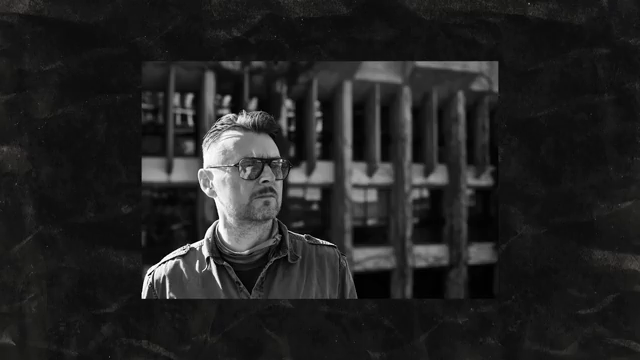
"In addition to the standard sawtooth square sine wave, this hybrid approach allowed it to cover everything from fat basses to unique PPG style sounds."
© Screenshot/Quote: Tonepusher (YouTube)
The Viral Evolution Continues
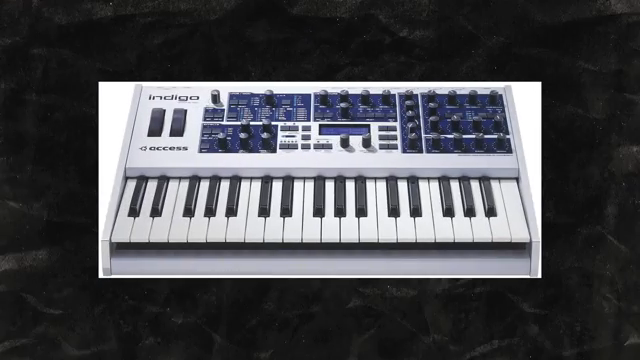
"The Axis Virus and Waldorf Microwave also played a prominent role on the record."
© Screenshot/Quote: Tonepusher (YouTube)
The video walks through the Virus series as if exploring a family tree with a penchant for causing ruckus on the dance floor. The Virus B, unleashed in ’99, cranked up the stakes with double polyphony, new effects, and an undeniable swagger. Tonepusher delves into how it kept the core of Virus A while generously expanding its capabilities. And then comes the Virus C in 2002, wrapped in a slick red and black sheen that’d make any paint job look drab in comparison. But looks weren’t everything; under the hood, it packed an intense sonic punch with new features like Moog-like filters and enhanced preset banks. By the time the Virus TI entered in 2005, the bar was set high—it wasn’t just about sonic clout but embracing integration. Total Integration (TI) made it a pioneer in DAW interaction, showcasing Tonepusher’s clear love for a synth that didn’t just play by the rules but rewrote them. Yet, it was more than shiny buttons and glitzy lights—it was it’s the ability to plug seamlessly into digital setups that ensured its survival and legacy.
Legacy and Longing
While the Virus series might have been nudged off the production line, its influence burns brighter than ever, much like a lasting pub brawl. Tonepusher brings to light the fervent advocacy among enthusiasts to resuscitate this emblem of synthesis. Despite no new models rolling out recently, whispers of a ‘Bring Back the Virus’ campaign ripple through the fanbase, a testament to its enduring impact. Many artists still cling to the Virus in their studios, a relic that hasn’t quite faced the axe of modern trends. Tonepusher’s video is a clarion call to arms, urging viewers to keep the hope alive, just as the rocking sounds of the Virus continue to electrify and echo across genres. It’s a right old mess of nostalgia, pride, and a genuine jonesing for a return of the good old days of sound revolution.
This article is also available in German. Read it here: https://synthmagazin.de/tonepushers-tauchgang-in-den-access-virus-eine-industrielle-ikone/
Watch on YouTube:
Latest articles
Watch on YouTube:
Visit the channel:
https://www.youtube.com/Tonepusher
https://www.youtube.com/Tonepusher
Links from Tonepusher:
Sponsored links:
If you purchase via these links, we may earn a small commission – at no extra cost to you. The link opens an Amazon keyword search, and results may vary depending on availability.
Access Virus A
🔗 Check price on Amazon
🔗 Check price on Amazon
Virus B
🔗 Check price on Amazon
🔗 Check price on Amazon
Virus C
🔗 Check price on Amazon
🔗 Check price on Amazon
Virus TI
🔗 Check price on Amazon
🔗 Check price on Amazon