Ready to get your hands dirty with analog oscillators? The Unperson is back, slicing through the basics and diving headfirst into the wild world of waveforms, modulation, and modular chaos. This isn’t your grandad’s synth tutorial—expect thick subs, creamy detuned stacks, and enough wavefolding to melt your toaster. We’re talking real hardware, no softsynth fluff, and a creator who knows how to wring every last drop of filth and funk from a Eurorack. If you think you know oscillators, think again. This is the streetwise guide you didn’t know you needed.
4. May 2026
SPARKY
The Unperson’s Analog Oscillator Rumble: From Sine to Mayhem
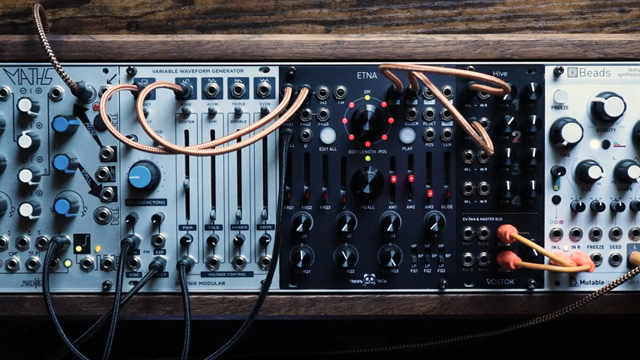
Behringer 2600 VCO, Instruō Neóni, Make Noise DPO, Maths, Oxy-1, Patching Panda Etna, Sputnik Modular Variable Waveform Generator, Winterbloom Castor & Pollux 2
Waveform Bootcamp: Sine, Saw, Square, Triangle
The Unperson kicks things off with the Berninger 2600 VCO, a clone that’s as classic as they come. Forget the history lesson—what matters is that you get triangle, saw, sine, and square, each with their own output, ready to be mashed together for instant sonic layering. The square wave gets special treatment with pulse width control, setting the stage for modulation mayhem.
What’s refreshing here is the no-nonsense approach: you hear the raw waveforms, then immediately see how they can be twisted. The Unperson doesn’t waste time—if you want to know what makes a triangle wave different from a saw, you’ll hear it, not read about it. It’s a hands-on, ears-on intro that sets up the rest of the oscillator odyssey.
Modulation Mayhem: PWM, Vibrato, and Audio-Rate FM
Pulse width modulation gets the spotlight, with a sine LFO fattening up the square wave into something that could flatten a small animal. Then it’s onto vibrato and pitch modulation, using the Berninger’s three FM inputs to show just how wild things can get. Subtle vibrato? Sure. But why stop there when you can throw in a square LFO and get pitch jumps that sound like a malfunctioning arcade machine?
The Unperson doesn’t shy away from audio-rate FM either, patching in the Sputnik Modular Variable Waveform Generator for clangorous, metallic tones that digital synths still struggle to match. If you want polite, look elsewhere—this is about pushing analog to its breaking point, and it absolutely slaps.
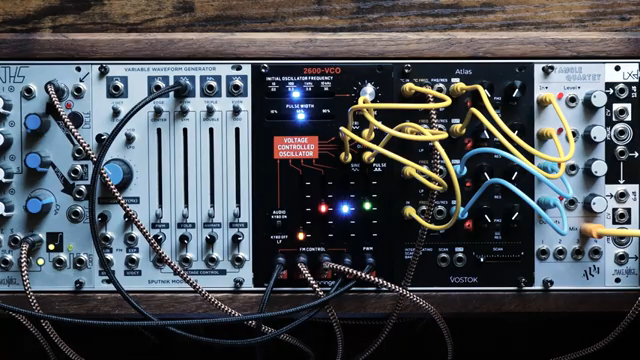
"This is one of the best ways to get experimental with analog oscillators."
© Screenshot/Quote: Theunperson (YouTube)
Thickening the Plot: Sub Oscillators and Dual Setups
"You're really going to hear how the weight of this sound is increased when we bring up the sub-oscillator."
© Screenshot/Quote: Theunperson (YouTube)
Sub oscillators drop in to add weight, turning a simple patch into a chest-thumping monster. The Unperson shows how mixing in a sub can take a basic square wave and give it the kind of low-end that rattles your teeth. There’s a bit of stereo trickery too, panning oscillators for width and using random patterns from the Oxy-1 sequencer to keep things unpredictable.
But why settle for one oscillator when you can have two? Enter the Winterbloom Castor & Pollux, with its dual Juno-inspired cores and built-in subs. Detuning the pair fattens things up even more, and tuning them to intervals unlocks classic synth harmonies. If you want your sound to go from polite to pure filth, this is how you do it.
Beyond Vanilla: Wavefolding and Hard Sync Madness
Wavefolding gets the distortion party started, bending sine waves into bright, harmonically rich beasts. The Unperson demonstrates both symmetrical and asymmetrical folding, then modulates the folder with envelopes for extra movement. It’s not just about making things louder—it’s about making them weirder.
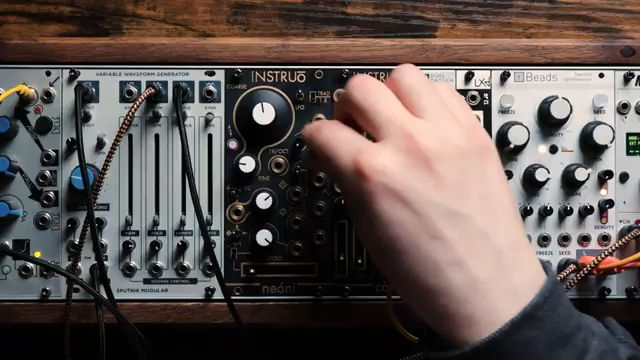
Hard sync follows, with the Instruō Neóni getting dominated by another oscillator for those ripping, harmonic-rich sweeps. Add in some FM on the slave and things get seriously wild. This section is a playground for anyone who thinks analog is just about warm pads—here, it’s a street weapon for sonic mischief. If you want to hear how far you can push these techniques, you’ll need to watch the video—words alone can’t do the chaos justice.
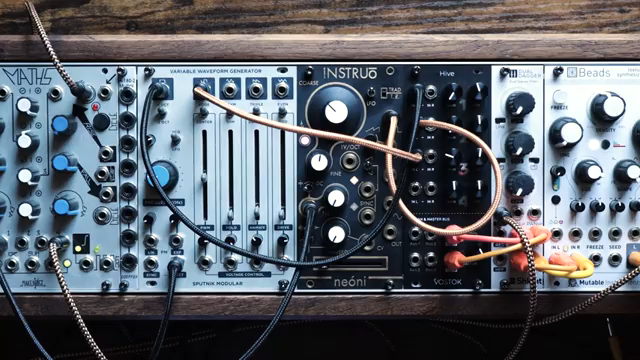
"It sounds very ominous, but it's really very innocent."
© Screenshot/Quote: Theunperson (YouTube)
Eurorack Street Fight: Modules in the Wild
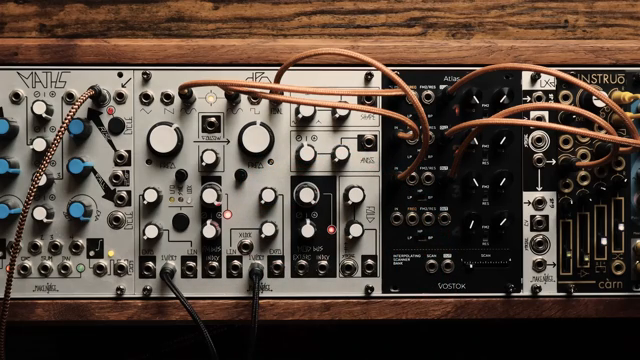
The Unperson puts a parade of Eurorack modules through their paces, from the Make Noise DPO’s complex cross-modulation antics to the Sputnik’s variable waveform grit. Each module gets a chance to shine, not just in isolation but as part of evolving, performance-ready patches. The DPO, in particular, shows how feedback and FM can spiral into unpredictable territory—perfect for those who like their sounds a bit unhinged.
What stands out is the creator’s hands-on, exploratory style. There’s no script, just real-time patching and sonic discovery. It’s a reminder that the best moments in modular often come from happy accidents and fearless knob-twiddling.
If you want to see these modules pushed to their limits, you’ll have to watch the video. The jams, the patching, the sheer unpredictability—none of it translates fully to text. This is the kind of content that makes you want to dive back into your rack and start breaking things (in a good way).
This article is also available in German. Read it here: https://synthmagazin.at/the-unpersons-analog-oszillator-rumble-von-sinus-bis-wahnsinn/
More articles about these products:
 Make Noise Bruxa Meets the Beast: Patchwork Mono Mayhem
 ADSR Mysteries Unwrapped: The Unperson Goes Full Pharaoh
 The Unperson’s Modular Drum Safari: Kicking Writer’s Block in the Teeth
 The Unperson Unleashes the Vostok Halo: Quad LFO Mayhem for Modular Maniacs
 The Unperson Unleashes the Instruo Neoni: Triangle Core Mayhem in Eurorack
 MAKEN0ISE GTE: Channel Index Translation for Rhythmic Control in Eurorack
 Make Noise Skiff Systems: Compact Powerhouses in Modular Synthesis
 The Unperson Unleashes the DPO: Complex Oscillator or Sonic Street Weapon?
 West Coast Mayhem: The Unperson’s Eurorack Goes Full Buchla
 MAKEN0ISE: Strumming the Grid – A Patch Adventure Beyond Sequencing
 The Unperson Goes Full Triton: Eurorack Layering Like a Kangaroo on a Synth Bender
 Make Noise PoliMATHS: A Deep Dive into Span Modes and Modular Possibilities
Watch on YouTube:
Latest articles
Watch on YouTube:
Visit the channel:
https://www.youtube.com/TheUnperson
https://www.youtube.com/TheUnperson
Links from TheUnperson:
patreon: https://patreon.com/theunperson
gumroad: https://theunpers0n.gumroad.com/
instagram: https://instagram.com/theunperson_
bandcamp: https://theunperson.bandcamp.com/
Sponsored links:
If you purchase via these links, we may earn a small commission – at no extra cost to you. The link opens an Amazon keyword search, and results may vary depending on availability.
Behringer 2600 VCO
🔗 Check price on Amazon
🔗 Check price on Amazon
Instruō Neóni
🔗 Check price on Amazon
🔗 Check price on Amazon
Make Noise DPO
🔗 Check price on Amazon
🔗 Check price on Amazon
Maths
🔗 Check price on Amazon
🔗 Check price on Amazon
Oxy-1
🔗 Check price on Amazon
🔗 Check price on Amazon
Patching Panda Etna
🔗 Check price on Amazon
🔗 Check price on Amazon
Sputnik Modular Variable Waveform Generator
🔗 Check price on Amazon
🔗 Check price on Amazon
Winterbloom Castor & Pollux 2
🔗 Check price on Amazon
🔗 Check price on Amazon