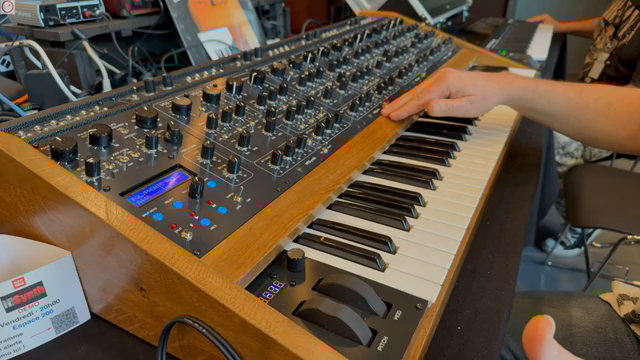
SYNTH ANATOMY dives headfirst into the sonic bunker with the NRSynth Quatuor, a hand-built polyphonic beast inspired by the Oberheim Four Voice. Forget mass-produced plastic – this is boutique French analog, dripping with character and quirks. The Quatuor isn’t just a clone; it’s a reimagined street weapon with wood panels, modern controls, and enough MIDI muscle to make your DAW sweat. If you’re after vintage tone with a twist and no presets in sight, this first look will have you itching to patch and play. Buckle up – this synth doesn’t just sing, it shouts.
23. April 2026
SPARKY
SYNTH ANATOMY Unleashes the NRSynth Quatuor: Four-Voice Fury at SynthFest France
Four Voices, One Mission: Meet the Quatuor
SYNTH ANATOMY kicks things off at SynthFest France 2026, spotlighting the NRSynth Quatuor—a polyphonic analog synth that’s more than a nod to the Oberheim Four Voice. This isn’t some mass-market reissue; it’s a hand-built, boutique instrument with four independent analog voices, each ready to go rogue or work as a team. The Quatuor takes the DNA of the classic and injects it with fresh French attitude, making it a new contender in the polyphonic arena. If you’re looking for a synth that’s got history in its circuits but isn’t afraid to break the mould, this is your jam.
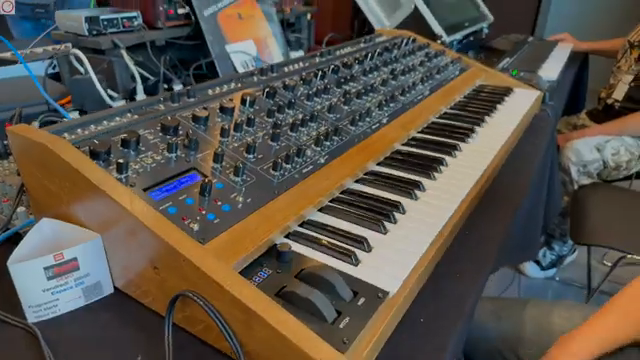
"It's a clone, it's not really a clone, it's a kind of updated full voice."
© Screenshot/Quote: Synthanatomy (YouTube)
Wood, Wheels, and a Modern Twist
"All the control section is very new and modern."
© Screenshot/Quote: Synthanatomy (YouTube)
Visually, the Quatuor ditches the old-school clone look for something sharper. It rocks a wood panel that wouldn’t look out of place in a rave bunker or your nan’s living room—classy but ready for action. The layout is modern, with a Prophet-style vibe, and the controls are built for real-time tweaking, not menu-diving. It’s a synth that looks as good as it sounds, and SYNTH ANATOMY makes it clear: this is no museum piece, it’s a playable, hands-on instrument for today’s electronic warriors.
Modes, MIDI, and Mayhem: The Brains of the Beast
Under the hood, the Quatuor is loaded with features that make it more than just a pretty face. You get a five-octave Fatar keybed with aftertouch and velocity, pitch and mod wheels, and a MIDI interface designed by the mind behind the Center 10. There’s a built-in arpeggiator and sequencer, both dead simple to use but powerful enough for serious performance. The synth offers four or five playing modes—polyphonic, monophonic, and more—so you can shape your workflow to fit any set.
Each voice can be split across MIDI channels, giving you multi-timbral action straight out of the box. Want to run four tracks in Cubase, each with its own analog soul? No problem. The arpeggiator and sequencer can run in polyphonic mode, and you can sync everything internally or via MIDI. It’s a flexible setup that begs for experimentation, and SYNTH ANATOMY’s coverage makes it clear: this machine is built for both the studio and the stage.
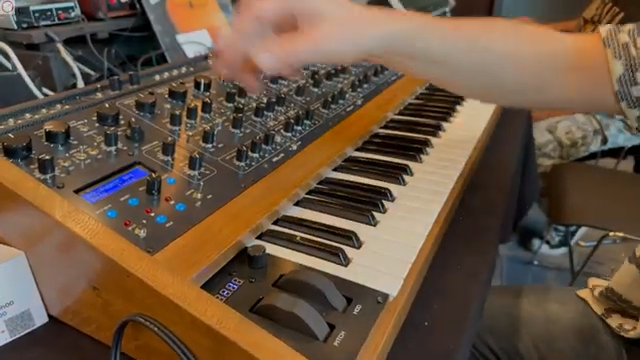
"You have a very, very interesting MIDI interface made by the guy who created the Center 10, another polyphonic center, very powerful."
© Screenshot/Quote: Synthanatomy (YouTube)
Vintage Guts, No Presets, All Attitude
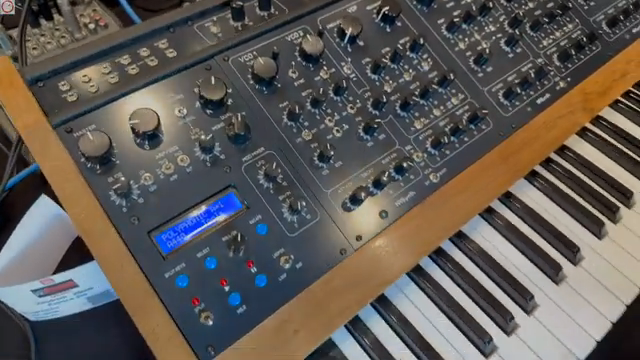
"But on the voice side, as you said, it's an Oberheim ZEM? It's a clone. It's almost the same sound, but the filter is exactly the same."
© Screenshot/Quote: Synthanatomy (YouTube)
The Quatuor keeps things unapologetically old-school where it counts. There are no presets—what you dial in is what you get, every time. Each voice is a true analog soloist, complete with the original Oberheim-style filter for that unmistakable creamy sweep. But it’s not just a nostalgia trip: ring mod, pan spreader, and individual outputs for each voice mean you can get weird, wide, and wild. This is a synth for players who want to shape sound in real time, not just recall patches. If you want vintage character with modern flexibility, the Quatuor’s got your back.
Sound Demos: The Proof Is in the Patching
SYNTH ANATOMY doesn’t just talk specs—they let the Quatuor speak for itself. The video is packed with sound demos that show off the synth’s range, from lush polyphonic chords to gritty, modulated madness. You’ll hear classic arpeggios, stereo spreads, and enough analog warmth to heat a warehouse. But let’s be real: words can’t do these demos justice. If you want to feel the Quatuor’s punch and subtlety, you’ll need to watch (and listen) for yourself. This is one of those rare machines where the sound is every bit as bold as the design.
This article is also available in German. Read it here: https://synthmagazin.at/synth-anatomy-entfesselt-den-nrsynth-quatuor-vierfacher-analog-wahnsinn-auf-dem-synthfest-france/
Watch on YouTube:
Latest articles
Watch on YouTube:
Visit the channel:
https://www.youtube.com/synthanatomy
https://www.youtube.com/synthanatomy
Links from synthanatomy:
Synth Anatomy FB: https://facebook.com/synthanatomy
Synth Anatomy Twitter: https://twitter.com/synthanatomy
Synth Anatomy Instagram: https://instagram.com/synth_anatomy
Patreon: https://patreon.com/synthanatomy
Sponsored links:
If you purchase via these links, we may earn a small commission – at no extra cost to you. The link opens an Amazon keyword search, and results may vary depending on availability.
NRSynth Quatuor
🔗 Check price on Amazon
🔗 Check price on Amazon