Sonicware’s LIVEN Ambient Ø steps into the ambient synth arena with a clear architectural vision: four independent layers—Drone, Pad, Atmos, and Noise—each with their own synthesis and sequencing, all underpinned by the new Blendwave Modulation Synthesis engine. In this official walkthrough, Sonicware demonstrates how these layers interact, how the engine’s six structures shape sound, and how effects and sequencing combine for evolving, immersive textures. As is typical for Sonicware, the focus is on hands-on workflow and immediate sonic results, rather than menu-diving or abstract theory. Let’s dissect how this instrument’s digital architecture translates into real-world ambient creation, and where its strengths and quirks reveal themselves.
4. July 2024
LYRA
SONICWARE LIVEN Ambient Ø: Layered Soundscapes and Digital Depth
A Multi-Layered Approach to Ambient Creation
The LIVEN Ambient Ø is presented as a purpose-built soundscape synthesizer, with Sonicware positioning it squarely in the ambient and cinematic music domain. The video opens with the creation of a dark ambient track, immediately highlighting the instrument’s focus on immersive, evolving textures rather than traditional melodic or rhythmic sequencing.
What stands out architecturally is the explicit separation of sound into four discrete layers: Drone, Pad, Atmos, and Noise. Each layer is independently selectable and tweakable, allowing users to sculpt a dense, multi-dimensional sound field. This design invites users to think in terms of texture and space, rather than just notes and rhythms—a workflow that aligns well with both meditative sound design and experimental ambient production.
Blendwave Modulation Synthesis: The Engine Room
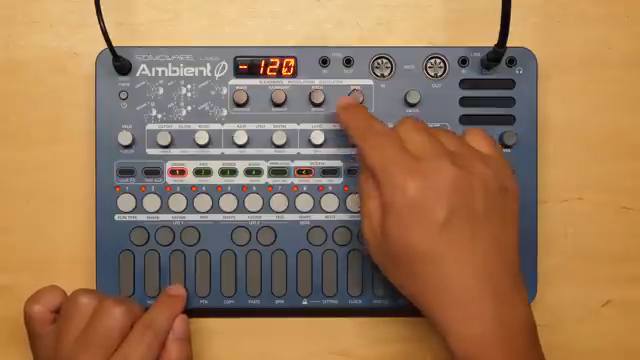
At the heart of the LIVEN Ambient Ø is the Blendwave Modulation Synthesis engine, a newly developed architecture with six selectable structures. The video demonstrates this by choosing specific structures for each layer—such as Drone 1 for the drone layer and Pad 2 for the pad—each offering distinct modulation possibilities and timbral characteristics.
The workflow here is hands-on: parameters like wave type, pitch, and modulation depth are adjusted in real time, with immediate audible results. The mod parameter, for example, is shown to control detune in the drone layer and harmonic modulation in the pad layer, illustrating how the engine’s flexibility supports complex, fluctuating tones. This engine-centric approach encourages exploration, with each structure providing a different palette for sound sculpting.
"In the drone layer, adjusting the mod parameter will modulate the detune."
© Screenshot/Quote: Sonicware (YouTube)
Four Layers, Infinite Textures
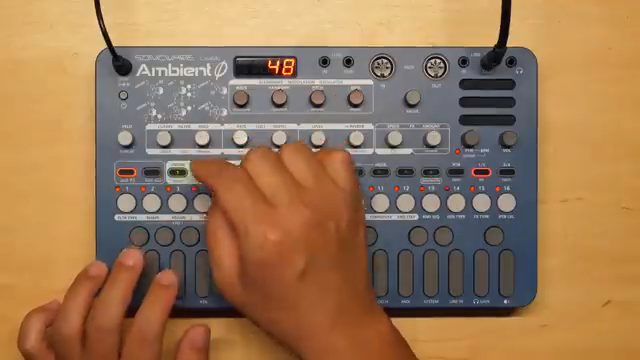
"The noise source is a stereo sound, so it gives a nice sense of space."
© Screenshot/Quote: Sonicware (YouTube)
The LIVEN Ambient Ø’s four-layer system is more than just a marketing bullet point—it’s central to the workflow. Each layer (Drone, Pad, Atmos, Noise) is given its own sonic identity and modulation options. The video walks through building up each layer: the drone is thickened with unison and deep reverb, the pad is shaped with square waves and shimmer, and the atmos layer leverages random waveforms and ring-mod-like modulation for unpredictable movement.
The Noise layer stands out by incorporating stereo sampled sounds (like rain) and blending them with modulated white noise, further processed with reverb for spatial depth. The ability to play and tweak all four layers together in real time allows for the creation of rich, evolving soundscapes that can be as subtle or dramatic as the user desires. This layered approach is particularly effective for ambient genres, where gradual transformation and texture blending are key.
Effects: Space, Shimmer, and Motion
Sonicware has equipped the LIVEN Ambient Ø with an extensive effects section, and the video makes full use of it. Reverb is a recurring theme—types like Infinity are used to create deep, lingering tails, while shimmer adds octave-up harmonics for ethereal brightness. The ability to send individual layers to reverb and adjust shimmer per layer is a notable workflow feature, allowing for nuanced spatial placement.
Other effects, such as tape delay and master chorus, are mentioned in the product description but not deeply explored in this particular video. However, the demonstrated use of reverb and shimmer shows how effects are integral to the instrument’s sound design ethos, turning simple waveforms and noise sources into immersive, cinematic textures. The stereo nature of the noise layer, combined with spatial effects, further enhances the sense of width and depth.
Sequencing and Evolving Performances
Each layer in the LIVEN Ambient Ø features its own sequencer, a design choice that supports the creation of evolving, polyrhythmic textures. The video demonstrates this by arpeggiating the Atmos layer with random eighth notes and adjusting global parameters like overall pitch to shift the mood of the entire piece.
This per-layer sequencing approach allows for independent rhythmic and melodic movement, encouraging experimentation with evolving patterns and tonal shifts. The workflow is immediate—recording and tweaking performances on the fly—making it suitable for both studio sketching and live ambient improvisation. The ability to modulate and automate parameters per layer is key to achieving the gradual, organic changes that define the ambient genre.
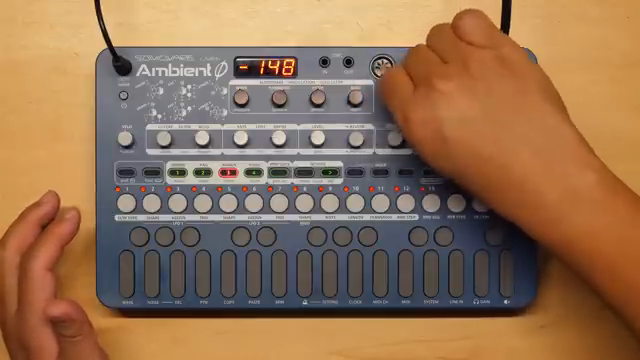
"Changing the pitch of the entire track significantly alters the atmosphere, making it interesting."
© Screenshot/Quote: Sonicware (YouTube)
Watch on YouTube:
Latest articles
Watch on YouTube:
https://www.youtube.com/SONICWARE
Links from SONICWARE:
Sponsored links:
If you purchase via these links, we may earn a small commission – at no extra cost to you. The link opens an Amazon keyword search, and results may vary depending on availability.
🔗 Check price on Amazon