No guests, no mercy – just pure synth banter from the Glasgow bunker. In this Signal Flow episode, Luke spills the beans on the highs and headaches of scoring films with hardware, while Tom dives deep into the tactile world of moving studios and wrangling new gear. Expect honest talk about why hardware still slaps, how to actually record your synths without losing your mind, and why Signal Sounds are the local heroes of utility modules. If you like your synth chat dry, British and a bit cheeky – this one’s for you.
30. June 2026
SPARKY
Signal Sounds’ Hardware Hype: Synths, Scoring & Studio Mayhem
Earthlink Modular Trails, Elektron Syntakt, Fairfield Circuitry Placeholder, MOTU Ultralite, Sequential Prophet X, Serge Modular, Sixty Four Pixels CVOCD-X, UDO Super 6
Film Scoring: The Art of Controlled Chaos
Luke wastes no time showing that film scoring isn’t just about dropping string pads and hoping for the best. He’s knee-deep in a project called “Mercury,” embracing the darkness with unsettling surge patches and sounds so gnarly even his partner calls them apocalyptic. Forget generic cues – Luke’s approach is to sketch wild ideas until the edit is locked, then dive in with his arsenal: surge modular, UDO Super 6 (now with proper poly aftertouch flex), and the Prophet X for melody.
What’s refreshing is the freedom: no temp music, no studio overlords, just a blank canvas and a director who actually trusts the composer to do their thing. Luke’s workflow is all about catching the vibe first, then making the hard calls on whether a scene should punch you in the gut or tug at your heartstrings. The result? Soundtracks that feel personal, unpredictable, and way less formulaic than your average Netflix binge.
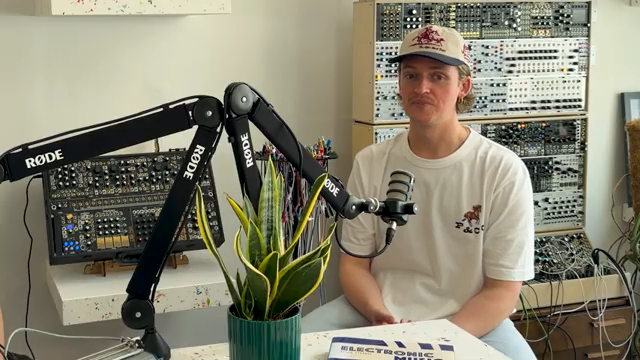
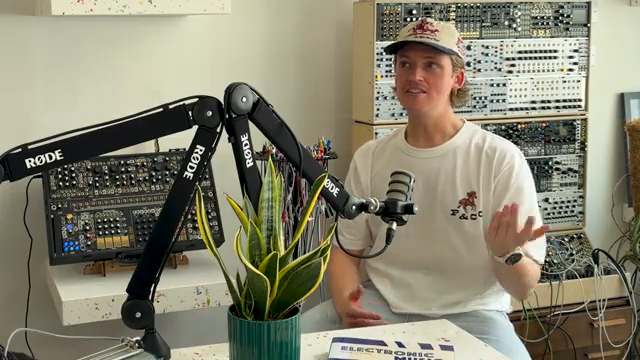
"I kind of get to indulge in some of the slightly more like dark ambient cinematic sort of sounds that I really enjoy to just sit and write with anyway."
© Screenshot/Quote: Signal Sounds (YouTube)
Hardware vs. Software: Tactile Wins the Fight
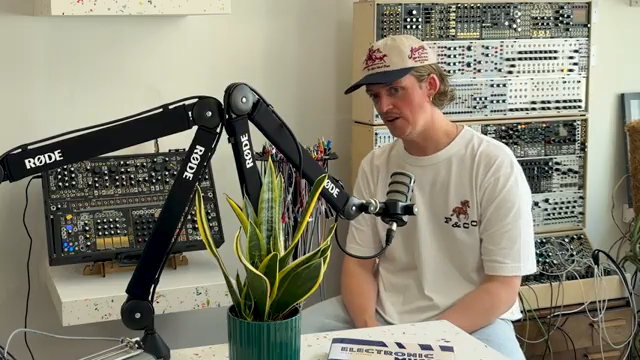
"It's less about the specific stuff you can and can't do, 'cause there is usually a way to do the same stuff in the computer, but it's the way, it's how you get there, and it's the experience of doing it for me."
© Screenshot/Quote: Signal Sounds (YouTube)
When the dust settles, the crew gets real about why hardware still rules the rave bunker. Sure, you can fake most things in a DAW if you’re stubborn enough, but there’s no substitute for the meditative thrill of patching cables and twisting knobs. Physical synths force you to make decisions, get off the grid, and break out of the 16-step prison – something every Ableton zombie secretly craves.
The real punch comes from the unpredictability: feedback loops, organic drift, and the adrenaline rush of knowing your patch will vanish if you don’t record it now. That’s not workflow – that’s survival. Both Tom and Luke agree: hardware’s limits and quirks are what make it exciting. Editing and mixing? Yeah, do it in the box. But if you want ideas that kick like a drunken horse, you’ve got to get your hands dirty.
Studio Shuffle: Tom’s Modular Overhaul
Tom’s just moved house and, predictably, is already drowning in modular gear. The new space needs to be a bedroom, a soldering den, and a synth bunker all at once – because why make life easy? Instead of a total reset, he’s streamlining: fewer cases, more focused setups, and a hybrid workflow that lets him bounce between analog jamming and DAW-powered arrangement.
The highlight? Rediscovering the joys of a single groovebox while the rest of the rig is boxed up. The Elektron Syntakt gets a second chance and proves itself as an ugly duckling with real bite. Turns out, a little restriction is good for creativity – and sometimes all you need is one box, a dodgy pair of headphones, and the will to resist buying yet another filter module.
Recording Synths: Dry, Dirty and Dangerous
Let’s get practical. Both hosts lay out their recording philosophies: Tom runs a patch bay and mixer for a hybrid analog-digital setup, pulling dry stems into Ableton for clean mixing and minimal regrets. Luke, meanwhile, has upgraded his studio to route everything through a MOTU interface and external effects, so he can record synths dry and print pedal returns later – perfect for those moments when a mono reverb turns out to be the secret sauce.
The big lesson? Don’t bake your effects in unless you’re ready to live with the consequences. Parallel chains, creative routing and the ability to automate pedal returns in the DAW mean you can keep your options open and your mixes punchy. And for everyone obsessed with cables and chaos: sometimes the best ideas come when you’re forced to move fast and commit before the patch melts away.
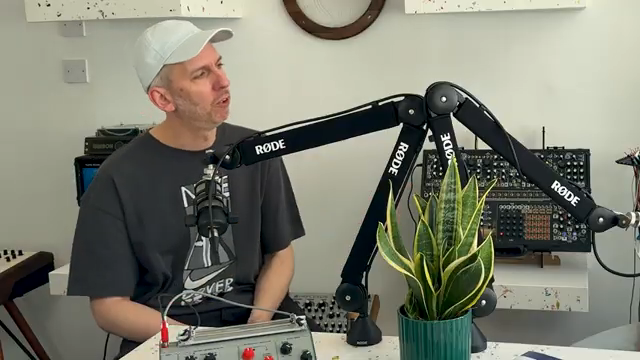
"If I'm trying to write a proper bit of music, I'll then kind of apply the effects in the box and, you know, especially reverb and stuff like that. I try and record that without reverb baked in if I can, 'cause it's easy to add reverb, but quite hard to take it off again."
© Screenshot/Quote: Signal Sounds (YouTube)
Join the Signal Sounds Synth Cult
Signal Sounds aren’t just selling gear – they’re building a community of synth obsessives who actually help each other get weirder. The Signal Flow podcast is a two-way street: listeners are encouraged to lob in questions, share war stories, and keep the conversation alive. If you want more rants, more hacks, and more synth confessions, don’t be shy – drop them a line and become part of the Glasgow synth mafia. Just don’t expect a polite reply.
This article is also available in German. Read it here: https://synthmagazin.at/signal-sounds-hardware-hype-synths-filmmusik-studio-chaos/
More articles about these products:
 Cyberattack’s Stereo Rigs: Five Pro Tips for a Widescreen Sound
 Signal Sounds’ Gear Gauntlet: Atrium, K-Accumulator & More – The August ’26 Rundown
 Sam Gutman’s Synth Sell-Off: Regret, Nostalgia, and Gear FOMO
 OXI Instruments E16: Five Workflow-Changing Features in Focus
 EZBOT’s Elektron Rave Tactics: Semi-Improv Mayhem After a Decade in the Trenches
 Nu-Trix The Synth Guy Unleashes the Syntakt TwinShot: Double-Barrel Sample Mayhem
 Sineway’s No-Click Loop Hack: Seamless Sampling for Syntakt, Digitakt & Beyond
 SequencerTalk Unleashed: MPC Sample, Tembo & MIDI Mayhem in Gameboy Mode
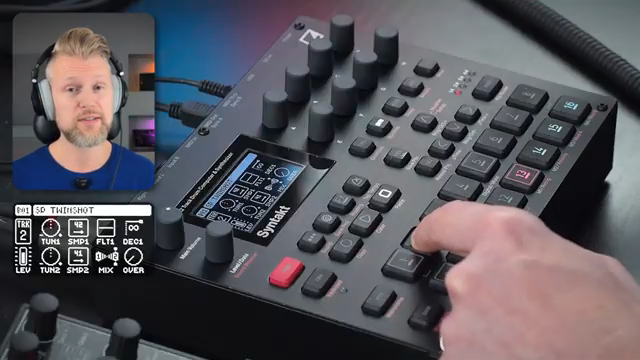 Sineway Unleashes the Syntakt 1.40: Sampling, Stacking, and Sonic Mayhem
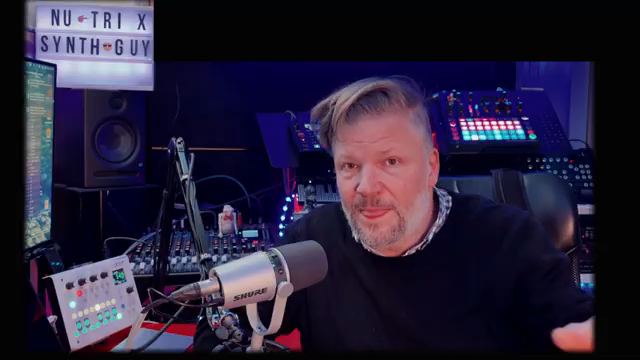 Nu-Trix The Synth Guy: Five Brutally Honest Tips to Smash Gear Hype in 2025
 Kangding Ray: Sonic Architectures and Cinematic Drones – An Interview with Metamyther
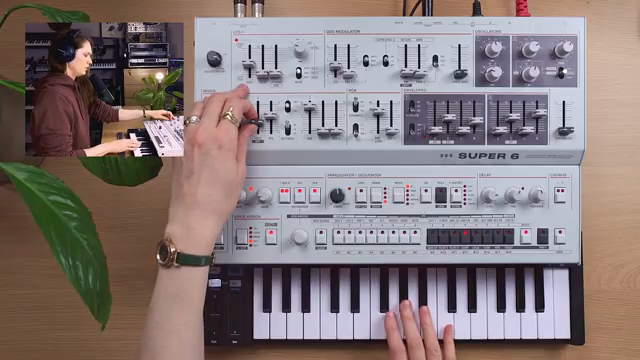 UDO Audio’s Super 6: Crafting a Complete Drum Kit from Scratch
Watch on YouTube:
Latest articles
Watch on YouTube:
Visit the channel:
https://www.youtube.com/signal-sounds
https://www.youtube.com/signal-sounds
Links from signal-sounds:
website: https://www.signalsounds.com
instagram: https://www.instagram.com/signal_sounds
facebook: https://www.facebook.com/signalsoundsuk
Sponsored links:
If you purchase via these links, we may earn a small commission – at no extra cost to you. The link opens an Amazon keyword search, and results may vary depending on availability.
Earthlink Modular Trails
🔗 Check price on Amazon
🔗 Check price on Amazon
Elektron Syntakt
🔗 Check price on Amazon
🔗 Check price on Amazon
Fairfield Circuitry Placeholder
🔗 Check price on Amazon
🔗 Check price on Amazon
MOTU Ultralite
🔗 Check price on Amazon
🔗 Check price on Amazon
Sequential Prophet X
🔗 Check price on Amazon
🔗 Check price on Amazon
Serge Modular
🔗 Check price on Amazon
🔗 Check price on Amazon
Sixty Four Pixels CVOCD-X
🔗 Check price on Amazon
🔗 Check price on Amazon
UDO Super 6
🔗 Check price on Amazon
🔗 Check price on Amazon