tafony drags the Hermetic Modular Alchemy Lab out of the shadows and puts it through its paces. This isn’t your average Eurorack effect—it’s a hackable, firmware-swapping beast that begs you to break the rules. With two launch firmwares (Spagyros and Echoa) and enough glowing LEDs to light up a dodgy rave, the Alchemy Lab splits opinion and shoves modular performance into new territory. If you like your gear raw, weird, and open to abuse, you’ll want to see what tafony uncovers—warts, wonders, and all.
7. August 2026
JET
Hermetic Modular Alchemy Lab: tafony’s Playground for Hackers and Delay Freaks
Hack the Planet: Alchemy Lab’s Open-Source Mayhem
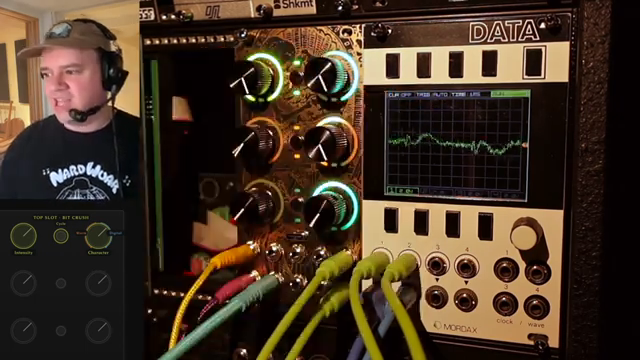
tafony kicks things off by laying out the manifesto: Hermetic Modular’s Alchemy Lab isn’t just another DSP module, it’s a wide-open playground for anyone who fancies mucking about with code and firmware. Based on the Daisy Seed platform, this Seattle-born box of tricks is all about swappability and hackability, with open-source ambitions that go a step further than most of the competition. Other makers are dipping toes in, but Hermetic Modular wants you to jump in boots and all—preferably with a soldering iron and a devil-may-care attitude.
No third-party firmware is out in the wild yet, but tafony’s keenly awaiting the inevitable flood of community-driven chaos. The module is fresh out the gate, but the documentation is reportedly solid, and the door’s wide open for patchers who want to get their hands dirty. If you’re sick of manufacturers locking you out, this is the sort of kit that’ll have you grinning like a punk at a broken-gear auction.
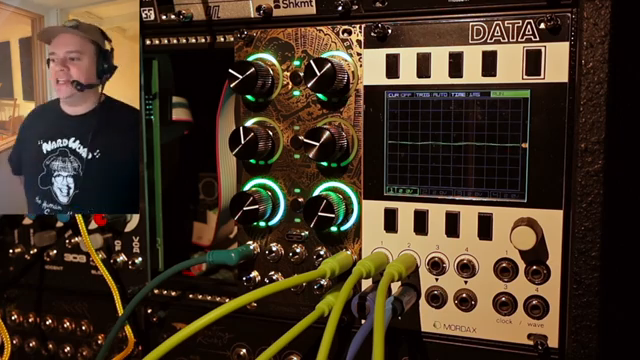
"It's very hackable, it's very firmware swappable."
© Screenshot/Quote: Tafonyyvr (YouTube)
Spagyros & Echoa: End-of-Chain Carnage and Delay Depths
"I do wish this would go even more intense like I want to get down to like two bit square waves of my whole mix."
© Screenshot/Quote: Tafonyyvr (YouTube)
Hermetic Modular ships the Alchemy Lab with two flavours out of the box: Spagyros and Echoa. Spagyros is a proper performance effects unit, perfect for slapping on your end-of-chain and mangling your drums into submission. tafony runs through its macros—filters, bitcrushing, risers, choppers, phasers, and more—without getting lost in the weeds. The filters are filthy in the best way, and the bitcrusher leaves your signal with all the subtlety of a Glasgow pub brawl. If you want polite, look elsewhere. But the controls aren’t always intuitive, and some parameters could go even more extreme—tafony wishes he could push them into total sonic obliteration.
Switching to Echoa, things get deep—maybe too deep if you hate menu-diving. Echoa is a dual stereo delay (and reverb), with more tweakable parameters and routing options than a dodgy night bus. The sound quality is top-notch: from shimmering comb-filter weirdness to tape and vinyl emulations, it’s all there. But there’s a catch: all that depth hides behind a labyrinth of LED-driven pages, and without a screen, live tweaking turns into a finger-twister. tafony admits the DSP is lush, but the workflow sometimes feels like trying to order a kebab in a nightclub at 3am—messy and best left to the die-hards.
Glowing LEDs: Love Them or Loathe Them
Let’s talk looks: the Alchemy Lab’s panel is a proper eye-catcher, with LEDs glowing like you’ve dropped acid at a synth meet. tafony reckons this aesthetic will split the room—some will adore the light show, others will think it’s veered into gaming PC territory. He’s firmly in the ‘love it’ camp, but admits it’s a fine line between slick and tacky. Either way, you won’t miss it on a dark stage, for better or worse.
Echoa’s Menu Maze: No Screen, No Mercy
Echoa’s arsenal of delays and reverb is nothing short of monstrous, but there’s a glaring omission: no screen. tafony points out that navigating multiple parameter pages by LED colour alone is a bit of a nightmare, especially when you’re in the heat of a gig. If you’re not armed with the manual (or a photographic memory), expect to stumble. There’s parameter-locking, loads of engines, and clever routing, but all that muscle is caged behind a control scheme that feels like a challenge from a dodgy game show.
For studio tinkerers, Echoa’s depth is a feast, but for live performers, it’s a minefield. tafony reckons a simple one-page reverb would be more his speed. Still, the sounds on offer could make even the most jaded modular head sit up and pay attention—assuming they survive the interface.
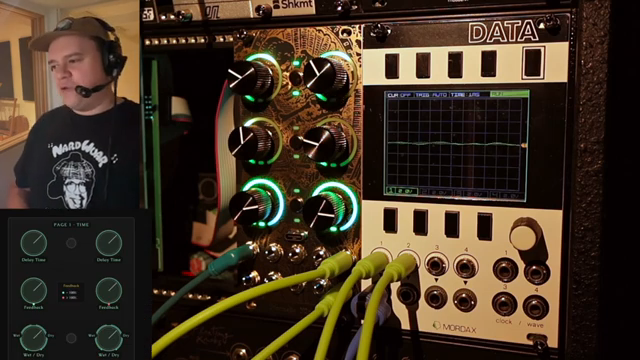
"If you're going to get into shift functions and paging you need a screen for me because otherwise you can't use it without this and I do not want to be holding this up on stage."
© Screenshot/Quote: Tafonyyvr (YouTube)
Future-Proofed for Firmware Freaks
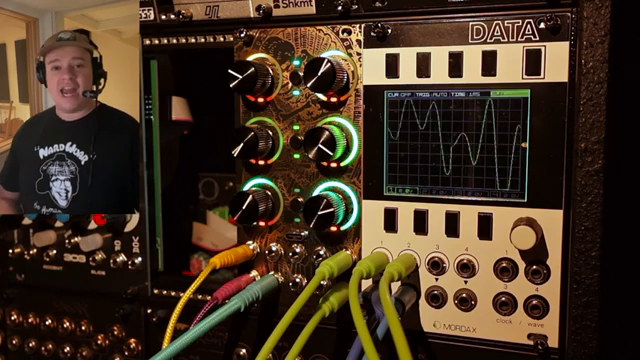
"I can't wait for like I guess the killer app to come along and make this totally rad and will you be the one to develop it I hope so."
© Screenshot/Quote: Tafonyyvr (YouTube)
Wrapping up, tafony’s verdict is clear: Alchemy Lab is all about the future. With open-source firmware and solid hardware, it’s a platform crying out for community-built magic. Whether you’re a coder, patcher, or just a curious noise fiend, this is one to watch. The killer app hasn’t landed yet, but when it does, expect the modular world to take notice. If you want a taste of the unknown, this is your invitation to dive in.
This article is also available in German. Read it here: https://synthmagazin.at/hermetic-modular-alchemy-lab-tafonys-spielplatz-fuer-hacker-und-delay-freaks/
Watch on YouTube:
Latest articles
Watch on YouTube:
Visit the channel:
https://www.youtube.com/TafonyYVR
https://www.youtube.com/TafonyYVR
Links from TafonyYVR:
Website: https://tafonyyvr.com/
Synthesis Elements: https://tafonyyvr.com/synthesis-elements/
Releases: https://tafonyyvr.com/releases/
Instagram: https://www.instagram.com/tafonyyvr/
Threads: https://www.threads.net/@tafonyyvr
Facebook: https://www.facebook.com/tafonyyvr
Bandcamp: https://tafony.bandcamp.com/
Patreon: https://www.patreon.com/tafony
Sponsored links:
If you purchase via these links, we may earn a small commission – at no extra cost to you. The link opens an Amazon keyword search, and results may vary depending on availability.
Hermetic Modular Alchemy Lab
🔗 Check price on Amazon
🔗 Check price on Amazon