SequencerTalk dives into the Drift DJ Zero at Superbooth 2026—a battery-powered, palm-sized audio hub that’s more than just a DJ toy. This isn’t your average plastic box; it’s a two-deck, beat-synced, session-recording street weapon for live electronic heads, DAWless junkies, and anyone who wants to throw their laptop out the window. Dean Freud gets the lowdown from the developer, peeling back the layers on its hybrid workflow, hardware integration, and open-source ambitions. If you’re after a portable rig that can sync, mix, record, and play nice with your other gear, this one’s worth a look—just don’t expect it to make your tea.
13. May 2026
SPARKY
SequencerTalk Unleashes the Drift DJ Zero: Pocket-Sized Mayhem for DAWless Warriors
Tiny Box, Big Ambitions
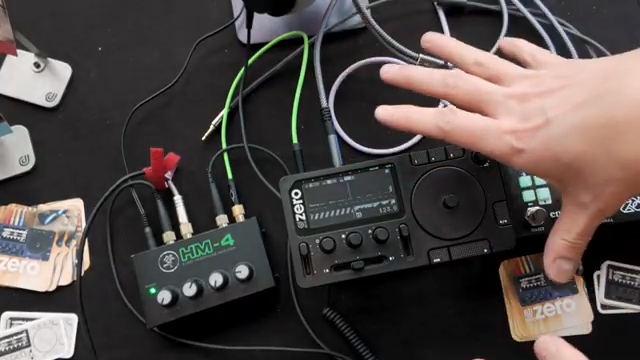
SequencerTalk’s Dean Freud corners the Drift DJ developer at Superbooth 2026 and immediately makes it clear: the Zero isn’t just another synth or boring field recorder. This palm-sized, battery-powered slab is pitched as a DJ mixer, audio recorder, and hardware hub all rolled into one. Forget lugging a suitcase of gear—this thing is designed to be the Swiss Army knife for DAWless warriors and hybrid DJs alike.
What’s clever is how the Zero bridges two worlds. You can come at it as a DJ wanting to ditch the laptop, or as a DAWless head who fancies a few DJ tricks in their live rig. File playback, beat syncing, and flexible audio routing are all baked in, with everything funnelling through a recording system that spits out float 32 WAVs straight to internal storage. It’s a rare bit of kit that doesn’t force you to pick a side—DJ booth or jam cave, it’ll do both.
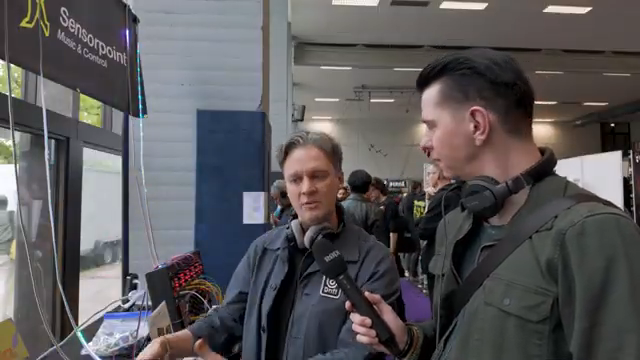
"All of it flows through a recording system that captures a float 32 wave to the hard drive."
© Screenshot/Quote: Sequencertalk (YouTube)
Decks, Grids, and Sonic Mischief
"Deck two loads in and is automatically synced to that hundred twenty three BPM."
© Screenshot/Quote: Sequencertalk (YouTube)
Zero’s DJ features are no afterthought. You get two decks of file playback from the internal drive, complete with a playlist system that sorts by artist, genre, or BPM—proper DJ workflow, not some half-baked compromise. Loading tracks is quick, with support for MP3, WAV, and FLAC, and you can hot cue, scrub, and EQ each deck independently. There’s even a bimodal filter with resonance for those classic transition sweeps.
But the real sauce is in the beat grid and sync. Deck two locks to deck one’s BPM, and you can nudge, double, or halve the tempo for genre-hopping mayhem. Looping is quantised and flexible, letting you stretch out multi-bar loops or get choppy with your edits. Sure, it’s not a full-on club mixer, but for a box you can lose in your backpack, it’s got more DJ muscle than most so-called portable rigs.
Plug, Sync, and Jam: Hardware Integration
Where the Zero really earns its rave bunker stripes is hardware integration. You can route audio out to clock drum machines, grooveboxes, or modular rigs—syncing everything to your set’s BPM. The routing matrix is deep: send audio anywhere, use send/return flows for external FX, and even set up custom input/output mixes per channel. Want to run a deck through a Zoya for delay madness and then back into the mix? Easy.
It doesn’t stop there. MIDI controller support is on the roadmap, so you’ll be able to map faders, EQs, and FX to your favourite knob box. Recording is equally flexible: capture the main mix, individual inputs, or a custom bus, and your session appears instantly in the library, ready for playback or further mangling. It’s a proper performance hub, not just a DJ toy with delusions of grandeur. If you want to see the routing gymnastics in action, you’ll have to watch the video—words don’t do the patching justice.
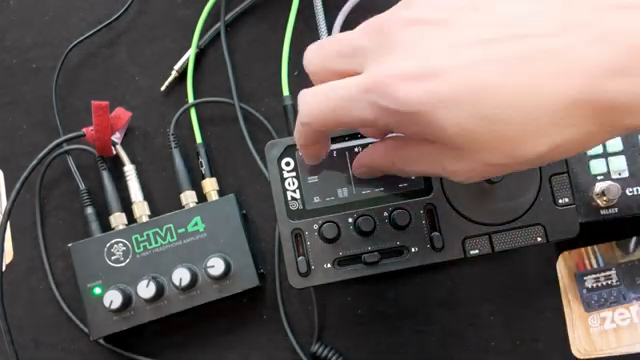
"All that stuff can be custom mapped within the UI on this thing."
© Screenshot/Quote: Sequencertalk (YouTube)
Open Source: The Hackable Heart
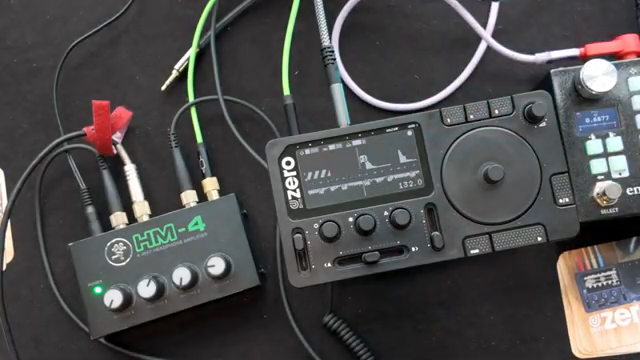
"It's part of the open source nature of the development of this thing."
© Screenshot/Quote: Sequencertalk (YouTube)
The Drift DJ Zero isn’t just another closed black box. Its open-source SDK means developers can cook up their own native apps—think custom synths, samplers, or effects, all running on the same quad-core ARM/Linux brain. Feature requests aren’t just wishful thinking; if the community wants it, chances are it’ll show up in a future update.
This approach turns the Zero into a proper sonic playground. The beat grid system might not be super-flexible yet, but with the open platform, that’s likely to change. If you’re the type who likes to mod, hack, or squeeze every drop out of your gear, this thing’s got your name written all over it.
Price Tag and Street Value
At $899, the Drift DJ Zero isn’t exactly pocket change, but it’s not outrageous for what it does. You’re getting a portable, open-source, all-in-one performance hub that can handle DJ sets, live jams, and hardware sync without breaking a sweat. For hybrid performers and DAWless heads, it’s a serious contender—especially if you’re tired of closed ecosystems and want something you can actually grow with.
This article is also available in German. Read it here: https://synthmagazin.at/sequencertalk-entfesselt-den-drift-dj-zero-taschenformatiges-chaos-fuer-dawless-krieger/
Watch on YouTube:
Latest articles
Watch on YouTube:
Visit the channel:
https://www.youtube.com/SequencerTalk
https://www.youtube.com/SequencerTalk
Links from SequencerTalk:
SequencerTalk Supporte uns!: https://sequencertalk.synthesizers.de
Instagram: https://instagram.com/sequencertalk
Links Moogulator: https://linktr.ee/moogulator
Links Dean: https://linktr.ee/deanfreud
Impressum: https://moogulator.com/moogulator/about
Sponsored links:
If you purchase via these links, we may earn a small commission – at no extra cost to you. The link opens an Amazon keyword search, and results may vary depending on availability.
Drift DJ Zero
🔗 Check price on Amazon
🔗 Check price on Amazon
Empress Effects ZOIA
🔗 Check price on Amazon
🔗 Check price on Amazon