RolandChannel’s latest showcase puts the spotlight on the V-STAGE, a keyboard that aims to set a new standard for professional performers. With four distinct sound engines, a tactile interface, and a scene system designed for seamless live transitions, the V-STAGE is pitched as the ultimate tool for gigging musicians. In this video, Roland walks us through the instrument’s architecture, from its advanced sound engines to its workflow-centric controls and robust connectivity. We examine how these features come together—and what the video leaves open—through the lens of digital instrument design and real-world usability.
22. January 2025
LYRA
RolandChannel’s V-STAGE: A Deep Dive into the Architecture of a Modern Gigging Powerhouse
A New Contender for the Stage: V-STAGE’s Ambitions
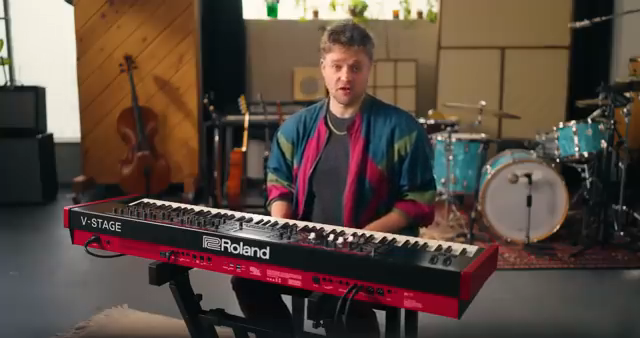
RolandChannel introduces the V-STAGE as a premium gigging keyboard, clearly targeting professional musicians who demand both sonic quality and workflow efficiency. The video opens with an emphasis on the instrument’s blend of cutting-edge sound modeling and a performance-focused interface, promising to keep players “in the moment.” Two hardware variants are available: an 88-key model with weighted hammer action for pianists, and a 76-key version with a new semi-weighted waterfall keybed, catering to organ and synth players. This dual-offering signals Roland’s intent to address a broad spectrum of live performers.
From the outset, Roland positions the V-STAGE as more than just another stage piano. The focus is on integrating advanced sound technology with a tactile, streamlined workflow. The manufacturer claims that the V-STAGE’s architecture is designed to minimize friction between inspiration and execution, a claim that will resonate with those who have wrestled with menu-diving in less thoughtfully designed instruments. The promise is clear: seamless transitions, intuitive control, and a sound palette that covers the needs of demanding gigs.
"blends cutting-edge sound modeling with the feel and flow that keeps you in the moment."
© Screenshot/Quote: Rolandglobal (YouTube)
Four Engines, One Mission: Sound Diversity at the Core
"delivering a rich and dynamic tone."
© Screenshot/Quote: Rolandglobal (YouTube)
Central to the V-STAGE’s appeal is its four-engine architecture, each section independently accessible and designed for a specific sonic domain. The acoustic piano engine leverages Roland’s latest V-Piano technology, offering a dynamic and nuanced response. The video highlights newly curated upright and felt pianos, aiming to satisfy both traditionalists and those seeking softer, more intimate textures. This is not just a preset dump; Roland is clearly pushing the expressive envelope here.
The electric piano engine is built on Roland’s SuperNATURAL platform, covering everything from deep, growling textures to sparkling highs, and includes tine, reed, digital, and clav sounds. The organ engine stands out with a three-layer virtual tonewheel, vintage transistor, and pipe organ models, all enhanced by overdrive and rotary effects. Finally, the synthesizer section provides two independent parts and access to an extensive ZEN-Core library, including downloadable model expansions from Roland Cloud. The ability to freely combine and layer these engines, as demonstrated in the video, underlines the V-STAGE’s versatility for live and studio contexts alike.
Hands-On Control: Tactile Interface and Real-Time Sound Shaping
The V-STAGE’s tactile interface is a clear highlight, designed to support real-time performance without menu-diving. Each sound engine has its own dedicated controls, making it straightforward to adjust organ drawbars, tweak piano types, or sculpt synth filters on the fly. The effect section and master section, complete with EQ and compression, are easily accessible, allowing musicians to shape their sound with minimal distraction.
A vibrant color LCD display provides real-time feedback and guidance, reinforcing the instrument’s workflow-centric design. The video demonstrates how players can mix parts, engage effects, and make nuanced adjustments using knobs and switches, all while staying focused on the music. This interface philosophy is a welcome departure from the deep menu systems that often plague digital keyboards, and it’s clear that Roland has prioritized immediacy and tactile engagement in the V-STAGE’s design.

"With dedicated section controls, it's incredibly easy to perform actions like dialing in the perfect organ tone, distorting that organ, changing the piano type, adjusting the filter in the synth section, adding some delay into the sound, mixing in parts with the knobs or on/off switch, finally adding some master compression."
© Screenshot/Quote: Rolandglobal (YouTube)
Scenes and EX Scenes: Memory, Organization, and Seamless Transitions
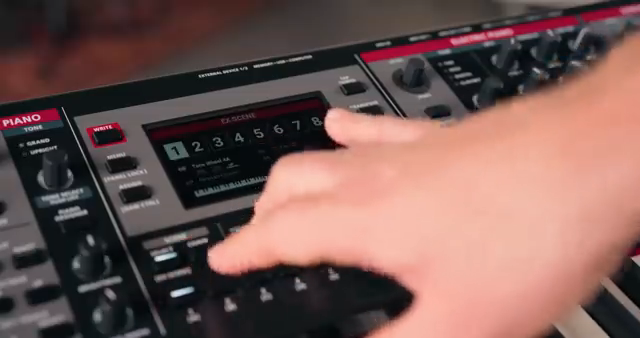
"8 customizable EX scenes that auto-save as you go, quickly capture and organize ideas as they come, perfect for real-time patch creation and experimentation."
© Screenshot/Quote: Rolandglobal (YouTube)
Roland’s approach to sound organization on the V-STAGE centers around the concept of scenes. Each scene can store up to five splits and layers, along with all associated sound and effect settings, effectively functioning as a comprehensive patch. With 512 onboard scene slots, users have ample space to organize complex setups for different songs or sets, supporting both creative exploration and practical gig management.
The addition of eight EX scenes, which auto-save changes in real time, is particularly interesting. These are designed for spontaneous patch creation and experimentation, ensuring that ideas are never lost—even after powering off the instrument. This feature is ideal for performers who like to tweak and evolve their sounds on the fly, without worrying about manual saves or losing work between sessions.
Scene Remain technology is another workflow-centric touch, allowing for smooth transitions between scenes. The video demonstrates how sustained notes or time-based effects can carry over from one scene to the next, eliminating abrupt cutoffs and supporting truly seamless live performance. This level of memory management and transition control is a strong point for the V-STAGE, especially for musicians who demand fluidity on stage.
Connectivity and Adaptability: V-STAGE in the Studio and On Stage
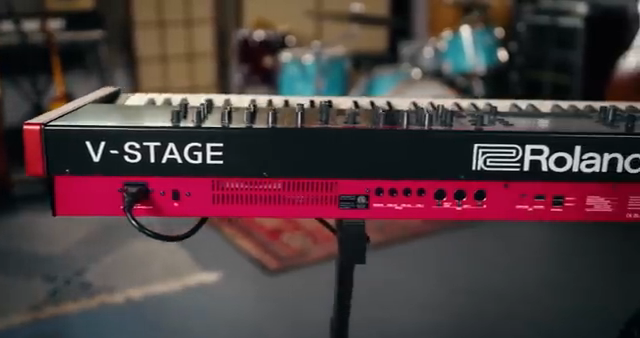
The V-STAGE’s I/O suite is designed to meet the demands of both live and studio environments. Balanced XLR and TRS outputs, an XLR mic input, TRS line inputs, MIDI, and multiple pedal inputs provide flexible routing options for a variety of setups. The video also notes that both keybeds are meticulously tuned to the sound engine’s response curves, with adjustable touch settings for player customization.
Class-compliant USB-C connectivity for MIDI and audio means no drivers are required, streamlining integration with DAWs and mobile devices. The V-STAGE can stream audio directly to a smartphone or record into a DAW via its built-in audio interface, making it a practical hub for hybrid setups. While the video focuses on headline features, it’s clear that Roland is aiming for broad compatibility and ease of use across performance and production contexts.
This article is also available in German. Read it here: https://synthmagazin.at/rolandchannel-praesentiert-v-stage-architektur-eines-modernen-buehnen-kraftpakets/
Watch on YouTube:
Latest articles
Watch on YouTube:
Visit the channel:
https://www.youtube.com/rolandglobal
https://www.youtube.com/rolandglobal
Links from rolandglobal:
website: https://www.roland.com
roland_cloud: https://www.roland.com/global/promos/about_roland_cloud
instagram: https://instagram.com/rolandglobal
Sponsored links:
If you purchase via these links, we may earn a small commission – at no extra cost to you. The link opens an Amazon keyword search, and results may vary depending on availability.
Roland V-STAGE
🔗 Check price on Amazon
🔗 Check price on Amazon