RolandChannel’s latest video introduces the Mood Pan, a digital percussion instrument that reimagines the handpan for the modern era. With a focus on wellness, creativity, and intuitive play, Roland blends tactile expressiveness with a versatile sound engine and app-based customization. This isn’t just another sample pad: Mood Pan is pitched as a personal sound sanctuary, equally at home in meditation sessions, yoga studios, or spontaneous creative jams. We dive into how Roland’s hybrid approach to interface, connectivity, and sonic palette aims to foster calm, connection, and creativity—while leaving some open questions about deeper integration and performance workflows.

27. August 2025
LYRA
RolandChannel’s Mood Pan: Where Digital Percussion Meets Mindful Sound Architecture
A New Digital Ritual: Mood Pan’s Hybrid Vision
RolandChannel opens with the Mood Pan, positioning it as a unique percussion instrument that fuses the soulful resonance of traditional handpans with the flexibility of modern digital technology. The video leans heavily into the wellness angle, framing Mood Pan as a tool for ritual, calm, and creativity—no prior musical experience required. This is not your average electronic drum: it’s designed to be approachable, inviting both seasoned musicians and absolute beginners into its sonic world.
What stands out architecturally is Roland’s blend of global percussion sounds with an intuitive, tactile interface. The Mood Pan is pitched as a bridge between acoustic tradition and digital innovation, aiming to create a sense of connection and tranquility in any environment. From the outset, Roland’s presentation is as much about fostering a mindful experience as it is about showcasing features, setting the stage for a device that’s as much about how you feel as what you play.
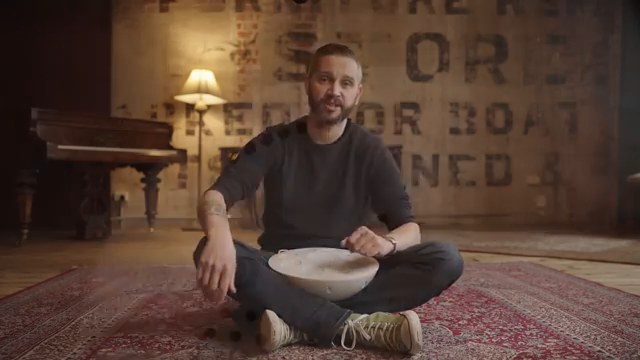
"Moodpan is perfect for creating calm and connection in any space, whether you're a beginner or a seasoned musician."
© Screenshot/Quote: Rolandglobal (YouTube)
Nine Zones, Twelve Worlds: The Sound and Playability Engine
"Moodpan features nine touch-sensitive zones with aftertouch."
© Screenshot/Quote: Rolandglobal (YouTube)
The core of the Mood Pan’s interface is its nine touch-sensitive pads, each supporting aftertouch for expressive dynamics. Roland demonstrates how players can tap, sustain, mute, and even pitch-bend notes, offering a nuanced playing experience that goes beyond simple triggering. The modifier button adds another layer, unlocking further sound variations and encouraging exploration of percussive techniques reminiscent of acoustic handpans.
Sonically, Mood Pan is a chameleon: it ships with 12 distinct sounds—ranging from handpan and tongue drum to singing bowls, sitar, and didgeridoo—paired with 12 world music scales. This architecture enables users to traverse a global palette, from major and minor to Japanese, Indian, Arabic, and Celtic modes. Built-in speakers on the bottom and sides aim to create an immersive, physical connection to the instrument’s output, reinforcing Roland’s focus on tactile engagement.
App-Driven Customization: Scales, Tunings, and Beyond
Customization is at the heart of the Mood Pan’s digital proposition. Through the Mood Pan Plus app, users can design custom scales, retune the instrument (including to 432 Hz for those seeking alternatives to standard concert pitch), and match the Mood Pan to other instruments in their setup. This app-centric approach expands the device’s versatility, allowing for deep personalization beyond the built-in presets.
The app also introduces ambient background modes, letting users layer peaceful music themes or environmental sounds—like forest or waves—directly from the instrument. This positions the Mood Pan not just as a performance tool, but as a self-contained sound environment, adaptable to everything from solo improvisation to guided meditation sessions.
Wellness, Connection, and the Social Side of Sound
Roland’s narrative consistently circles back to the Mood Pan’s role in fostering tranquility and connection. The device is presented as ideal for meditation, yoga, or simply creating a personal sanctuary of sound. Its organic, expressive timbres are designed to evoke calm, while the intuitive interface lowers the barrier for collective or solo musical experiences.
The video underscores the Mood Pan’s suitability for both personal reflection and group activities, suggesting applications in wellness practices and community settings. Roland’s focus here is less on technical wizardry and more on the emotional and social impact of accessible, expressive sound design.
Connectivity and Integration: From Bluetooth to the Studio
Modern connectivity rounds out the Mood Pan’s feature set. Users can stream music via Bluetooth, transforming the instrument into a portable speaker for setting the vibe. Power options are flexible—AA batteries, rechargeables, or USB-C—making the device adaptable for mobile or studio use. Notably, USB-C also enables audio and MIDI recording, opening doors for integration with DAWs and hardware rigs.
Audio outputs allow the Mood Pan to connect to PA systems, recording interfaces, or external effects, encouraging creative routing in more complex setups. While the video highlights these integration points, it leaves open questions about deeper workflow details—such as latency, MIDI implementation, and editor dependency—that would be crucial for advanced users or live performers.

"USB-C, which also allows audio and MIDI recording, great for use in the studio."
© Screenshot/Quote: Rolandglobal (YouTube)
This article is also available in German. Read it here: https://synthmagazin.at/rolandchannel-praesentiert-mood-pan-wo-digitale-percussion-auf-achtsame-klangarchitektur-trifft/
Watch on YouTube:
Latest articles
Watch on YouTube:
Visit the channel:
https://www.youtube.com/rolandglobal
https://www.youtube.com/rolandglobal
Links from rolandglobal:
website: https://www.roland.com
roland_cloud: https://www.roland.com/global/promos/about_roland_cloud
instagram: https://instagram.com/rolandglobal
Sponsored links:
If you purchase via these links, we may earn a small commission – at no extra cost to you. The link opens an Amazon keyword search, and results may vary depending on availability.
Roland Mood Pan
🔗 Check price on Amazon
🔗 Check price on Amazon