RolandChannel’s latest video introduces the AIRA Compact P-6 Creative Sampler, a device that aims to merge classic sampling workflows with contemporary granular sound design in a truly portable form. With its compact footprint, the P-6 promises hands-on sampling, deep sequencing, and a suite of effects, all wrapped in Roland’s signature user-friendly interface. This walkthrough highlights not only the sampler’s connectivity and manipulation options but also its role within the broader AIRA Compact ecosystem. For those seeking a blend of vintage sampling flavor and modern digital flexibility in a pocket-sized package, this is a revealing first look—though, as always, the real-world workflow will need further exploration beyond the manufacturer’s demo.

13. September 2024
LYRA
RolandChannel Unveils the P-6 Creative Sampler: Pocket-Sized Powerhouse for Modern Sampling
Classic Sampling Meets Granular Innovation
The P-6 Creative Sampler is presented as the newest member of Roland’s AIRA Compact line, designed to deliver a blend of traditional sampling techniques and modern granular processing. RolandChannel positions the P-6 as both accessible and powerful, emphasizing its ability to put legendary Roland sampling technology into a device that fits in the palm of your hand. The video immediately sets the tone: this is not just a retro throwback, but a sampler that leverages digital innovation for new sonic possibilities.
Granular sample processing is a core highlight, allowing users to extract and manipulate tiny fragments of sound to create fresh textures. The P-6 is described as a tool for both classic sample playback and advanced sound design, aiming to appeal to those who want to move beyond simple triggering into the realm of creative audio manipulation. The focus here is on versatility—whether you’re after vintage vibes or experimental soundscapes, the P-6 claims to offer both in a compact, user-friendly format.
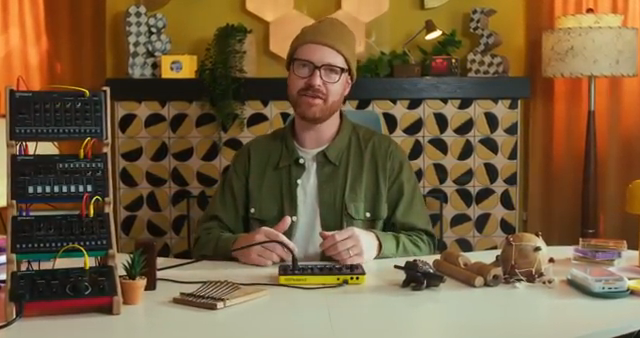
"The P6 is a sampler that celebrates classic sampling techniques, fused with a modern approach using granular sample processing to create new textures from slivers of sound."
© Screenshot/Quote: Rolandglobal (YouTube)
Connectivity: Sampling from Anywhere
"When in this mode, you can set different sample rates, going from 44.1 all the way down to 11kHz for that low-fi vibe and longer sample times."
© Screenshot/Quote: Rolandglobal (YouTube)
RolandChannel details the P-6’s array of input options, making clear that this device is built for flexible sampling workflows. The unit features a built-in microphone for quick, on-the-go audio capture, as well as a 3.5mm mix input and support for USB-C audio. This means users can sample from analog sources, digital streams, or even directly from their environment without extra gear.
The inclusion of class-compliant USB-C ensures compatibility with laptops, tablets, and smartphones, while the headset mic input adds another layer of convenience. The video demonstrates how easy it is to switch between inputs and set sample rates, supporting everything from hi-fi 44.1kHz down to lo-fi 11kHz for extended sample times and characterful degradation. This range of connectivity is clearly aimed at both studio users and mobile musicians who need to capture sounds wherever inspiration strikes.
Sequencing and Effects: Deep Tools in a Small Box
The P-6 doesn’t skimp on real-time processing or sequencing power. RolandChannel walks through the device’s 64-step polyphonic sequencer, which supports both real-time and step recording, motion recording, probability, microtiming, and sub-steps. These features are typically found in much larger or more expensive gear, and their presence here suggests a serious commitment to performance-oriented workflows.
Each sample pad is equipped with its own multi-mode filter, amp and pitch envelopes, and can be routed through a comprehensive effects section. The MFX area offers five preset effects buttons and a selectable multi-effect with a variety of options, all accessible for live tweaking or resampling. Dedicated delay and reverb sends per pad further expand the sonic palette, allowing for nuanced sound sculpting and spatial manipulation.
The video emphasizes that these tools are not just for studio programming but are designed for hands-on performance and creative resampling. The ability to route pads through effects or keep them dry, combined with real-time resampling, opens up possibilities for evolving patterns and dynamic live sets—all within a device that fits in your pocket.
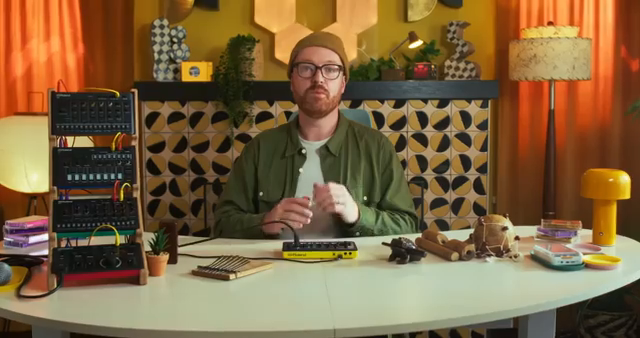
"Bring patterns to life with the 64-step polyphonic sequencer, featuring real-time end-step recording, motion recording, probability, microtiming, sub-steps, and more."
© Screenshot/Quote: Rolandglobal (YouTube)
Sample Manipulation: Chopping, Granular, and Beyond

"There are many detailed parameters to use here like head position and speed, grain size, density and shape, reverse probability and more, so we can turn this into this."
© Screenshot/Quote: Rolandglobal (YouTube)
Sample manipulation is at the heart of the P-6’s workflow. RolandChannel demonstrates how users can chop samples into anywhere from 2 to 64 slices, distributing them across the keyboard for instant access. This is particularly effective for drum breaks or building custom kits, and the ability to set pads to polyphonic mode means multiple slices can play simultaneously, expanding creative options.
Step sampling is another standout feature, allowing users to record a sequence of new samples directly onto a pad, which are then automatically mapped for immediate use. The granular engine takes things further, letting users process any sample in the device with parameters like head position, speed, grain size, density, and reverse probability. This transforms even mundane recordings into complex, evolving textures, all with polyphonic and stereo playback.
Resampling ties these features together, enabling users to capture processed sounds, loops, or entire patterns back onto pads for further manipulation. The workflow is designed to encourage experimentation, with the video highlighting how quickly ideas can be developed and transformed using the P-6’s suite of tools.
AIRA Compact Ecosystem: Collaboration and Portability
Integration with the wider AIRA Compact family is a major theme in the video’s final section. The P-6 is shown working alongside other devices like the T-8 Beat Machine, J-6 Chord Synth, E-4 Voice Tweaker, and S-1 Tweak Synth, each contributing their own sonic character to a collaborative setup. Audio can be chained between units via mix in/out ports, and 3.5mm TRS MIDI or sync connections keep everything locked in time.
RolandChannel underscores the portability and battery-powered nature of the P-6 and its siblings, positioning them as ideal tools for mobile production, live jamming, or spontaneous creativity. With class-compliant USB-C for audio and MIDI, these devices are ready for integration into DAWs or direct recording to mobile apps. The video leaves little doubt that the P-6 is intended as both a standalone powerhouse and a flexible node in a broader, modular ecosystem.
Watch on YouTube:
Latest articles
Watch on YouTube:
https://www.youtube.com/rolandglobal
Links from rolandglobal:
Sponsored links:
If you purchase via these links, we may earn a small commission – at no extra cost to you. The link opens an Amazon keyword search, and results may vary depending on availability.
🔗 Check price on Amazon