RolandChannel returns with a deep dive into the SH-4d v2.0 update, and this one’s not just a cosmetic polish. The SH-4d, already a compact powerhouse in the desktop synth arena, gets a significant boost with two new oscillator models, expanded modulation, and workflow refinements aimed at both sound designers and live performers. This official walkthrough methodically showcases how Roland’s digital architecture evolves: from advanced step LFOs to system-wide effects and granular sequencing tweaks. If you’re curious about how these new features actually slot into real-world workflows—or just want to see Roland’s take on modern synth ergonomics—this video is a must-watch.
9. May 2025
LYRA
RolandChannel Unveils SH-4d v2.0: Digital Expansion Done Right
SH-4d v2.0: A Digital Synthesizer Evolves
Roland’s SH-4d has always positioned itself as a versatile desktop synthesizer, but the version 2.0 update is a clear signal that the company is committed to ongoing digital innovation. The update brings a suite of new features, most notably two additional oscillator models, alongside workflow and sequencing enhancements. This isn’t just a minor firmware bump—Roland is actively expanding the instrument’s core sonic palette and performance flexibility.
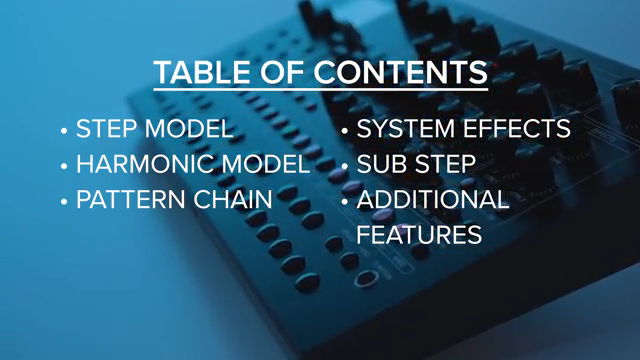
The video opens with a concise rundown of what’s new: Step and Harmonic Oscillator Models, pattern chaining, system-wide effects, a streamlined overwrite process, and more. The approach is classic RolandChannel—clear, feature-focused, and designed to inspire both new users and SH-4d veterans. The emphasis here is on how these updates translate into tangible creative options, not just technical bullet points.
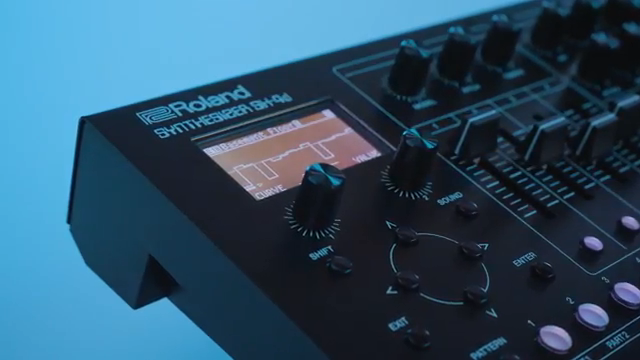
"This update adds two new oscillator models, pattern chaining, options for system-wide reverb, chorus and delay, a new quick overwrite process for saving tones and patterns, new substep options to push sequence timing off the grid, and more."
© Screenshot/Quote: Rolandglobal (YouTube)
Step and Harmonic Oscillators: New Sound Engines, New Possibilities
"The new step model brings a powerful step LFO modulator to the SH-4D, with up to 16 steps and 37 different curves that can be chosen for each step."
© Screenshot/Quote: Rolandglobal (YouTube)
The Step Oscillator Model introduces a step LFO modulator with up to 16 steps and 37 curve options per step, making it a playground for advanced modulation. Each step can be assigned to parameters like pitch, filter cutoff, amp, and pan, with two oscillators per voice, each offering their own shape, level, tuning, and pulse width. The workflow is hands-on: faders, encoders, and buttons allow for real-time tweaking and motion recording, letting users sculpt evolving sounds or complex rhythmic modulations with ease.
The Harmonic Oscillator Model, inspired by drawbar organs, brings four harmonics with fader-based control and additional timbre and rotary effects for authentic organ tones. But Roland doesn’t stop at emulation—the model is fully integrated into the SH-4d’s per-part synth architecture, meaning you can further process these tones with filters, envelopes, and LFOs. The result is a model that can do classic organ, deep house bass, or venture into experimental territory, all with the immediacy of dedicated controls.
Workflow Refined: Pattern Chaining, Global FX, and Quick Overwrite
Pattern chaining is a standout addition, allowing users to link patterns for automatic playback after a set number of repeats. The chain length is tied to the rhythm part’s step count, and users can specify the next pattern or simply move sequentially through their bank. This is a clear nod to live performance and extended studio sessions, where seamless transitions and evolving arrangements are key.
System-wide effects (reverb, chorus, delay) can now be applied globally, ensuring consistent sonic character across patterns. This is especially useful for live sets, as effect tails carry over between patterns, preventing abrupt cutoffs. The Quick Overwrite function streamlines saving, letting users capture all tone and pattern settings in one action—a small but significant boost for anyone iterating rapidly or performing on the fly.
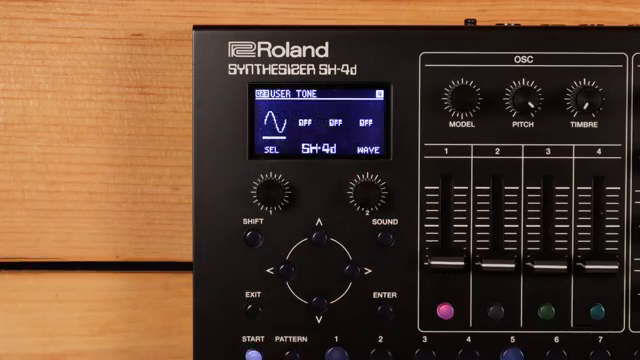
"Now this is great for maintaining a consistent vibe across different patterns, especially when working on multiple patterns for a longer track or a bigger project in the studio."
© Screenshot/Quote: Rolandglobal (YouTube)
Sub Steps: Microtiming and Rhythmic Nuance
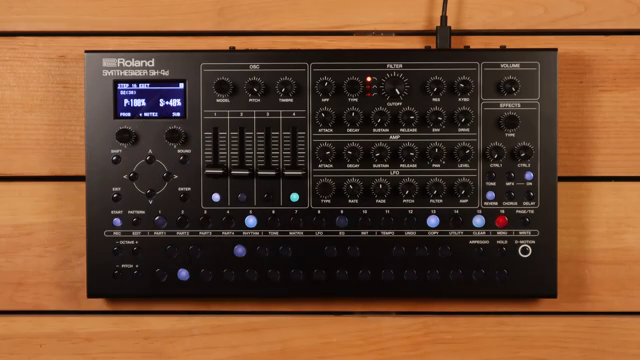
"Very useful for looser feeling grooves and off-grid sequences."
© Screenshot/Quote: Rolandglobal (YouTube)
The update introduces new Sub Step options, giving users the ability to nudge notes off the grid by increments from +10% to +90%. This granular timing control is accessible directly from the pattern sequencer, making it easy to inject swing, shuffle, or subtle timing variations into sequences. The demonstration shows how a simple clap or bass note can be shifted to create looser, more human grooves or to avoid clashes with other elements in the mix.
For users who crave rhythmic complexity or want to push beyond rigid step sequencing, these Sub Step features open up a new layer of expression. It’s a workflow enhancement that’s as much about feel as it is about precision, and it’s implemented in a way that encourages experimentation without menu-diving.
More Than Just New Sounds: Undo, MIDI, and Interface Tweaks
Beyond the headline features, Roland has packed in a series of smaller but meaningful improvements. Undo and redo options have been expanded to 10 steps, giving users more safety nets during complex edits. A new shortcut for portamento toggling streamlines live performance adjustments, while the USB driver now includes a generic mode for broader MIDI compatibility.
MIDI transmission options are more flexible, and the SH-4d now responds better to external program changes—details that matter for integration into larger DAW or hardware setups. The video closes by pointing users to the updated manual and online resources, underscoring Roland’s commitment to documentation and ongoing support. While the walkthrough is thorough, some aspects—like the depth of menu navigation or long-term reliability—will need hands-on exploration to fully assess.
This article is also available in German. Read it here: https://synthmagazin.at/rolandchannel-praesentiert-sh-4d-v2-0-digitale-expansion-auf-den-punkt-gebracht/
Watch on YouTube:
Latest articles
Watch on YouTube:
Visit the channel:
https://www.youtube.com/rolandglobal
https://www.youtube.com/rolandglobal
Links from rolandglobal:
website: https://www.roland.com
roland_cloud: https://www.roland.com/global/promos/about_roland_cloud
instagram: https://instagram.com/rolandglobal
Sponsored links:
If you purchase via these links, we may earn a small commission – at no extra cost to you. The link opens an Amazon keyword search, and results may vary depending on availability.
Roland SH-4d
🔗 Check price on Amazon
🔗 Check price on Amazon