Bthelick takes us on a groove journey, throwing out the rule book and diving deep into the magic of swing. It’s not just about hitting the right notes, but where you place them. Grab your headphones and get ready to learn why groove matters more than pitch.

Groove Over Pitch: Victor Wooten's Wisdom
Bthelick kicks off his lesson with a golden nugget from bass legend Victor Wooten. Wooten’s take is clear: it’s not about the perfect pitch but the groove that gets folks dancing. He plays a demo, claiming all the notes are “right” as long as they groove. Bthelick emphasizes that mastering groove placements is crucial, even beyond understanding scales or keys. Music theory takes a backseat to rhythm and feel. It sets the stage for everything you need to know about swing, reinforcing the idea that groove is king when it comes to making people move on the dance floor.
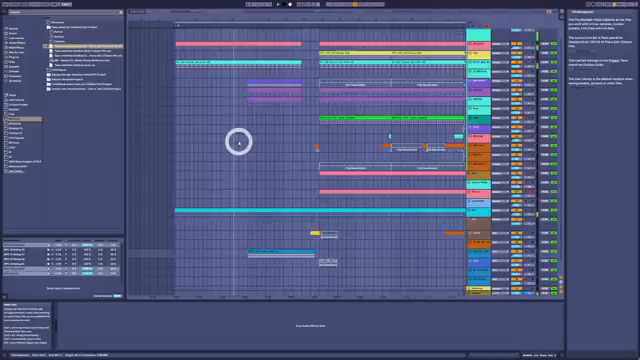
""I don't have perfect pitch, but I don't care. Because you're not going to dance to the key. Right? You don't dance because it's in the key. You dance to the groove.""
© Screenshot/Quote: Bthelick (YouTube)
Swing Isn't One-Size-Fits-All: Exploring Flexibility
"So what is swing? Well, if we look at Ableton's list of swings here, we'll see lots of options."
© Screenshot/Quote: Bthelick (YouTube)
Bthelick dives deep into the world of swing, showing us it’s not just an on-off switch but a spectrum of possibilities. Using a synthwave track, he highlights how swing alters the vibe. Starting with a straightforward groove, he begins tweaking at 100 BPM, and the results are evident. It’s about moving those sixteenth notes just enough to feel the swing, and he’s got the MIDI locked to prove it.
He illustrates the concept using Ableton’s swing settings, explaining the annoying lack of standardization across different DAWs. In some, 50% means no swing, but he’ll guide us through that later. He tries applying a 57% eighth-note swing, which sounds hilariously off, leading to a re-application using sixteenth-note logic. As he dials up to 64%, we experience the swing’s tangible transformation.
Even with noticeable changes, the science of swing goes beyond numbers. It’s more about understanding its role in crafting the right groove. And according to Bthelick, swing maximizes its magic when you hit that sweet spot. For now, though, he advises sync everything to the same swing amount to get familiar with the feel.
Sound Clash: Navigating Sample Grooves
Bthelick explains the challenges of aligning samples with different groove characteristics. Using kick and clap samples as examples, he reveals how mismatched loops can muddy a track’s vibe. The problem isn’t always about frequency clashes; sometimes, it’s the rhythm’s groove or its lack thereof.
To solve these typical scenarios, he suggests zooming into the waveform, lining up audio onto a sixteenth grid to detect swing visually. Even without refined ears, seeing these patterns helps fix groove conflicts. Swing is about moving every other sixteenth note backward, visible in the waveform timeline. This approach ensures grooves don’t interfere negatively, smoothing out potential sound clashes.
Bthelick encourages early-stage producers to align all parts—drums, bass lines, and melodies—to the same swing settings. This practical tip enhances cohesion, keeping the rhythmic elements in synergy for a consistent and compelling dance groove.
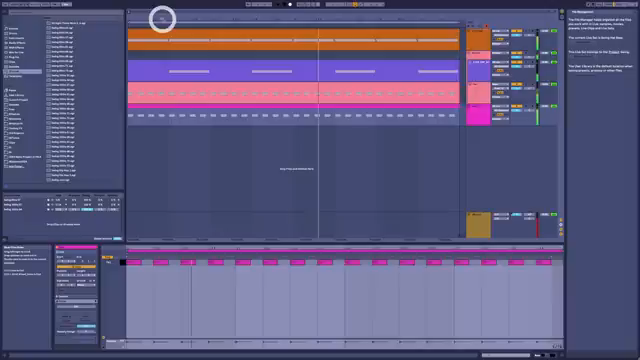
"I'm not sure I would call that groovy, but it is a type of groove I suppose."
© Screenshot/Quote: Bthelick (YouTube)
Swing Solutions: Beyond MIDI into Audio
Bthelick digs into the gritty details of matching swing in audio loops. It’s like trying to piece together a mixtape with different groove settings without smearing the sound quality. He provides a hands-on approach to swinging a straight loop, even demonstrating how to eyeball it by shifting sixteenth notes in audio manually.
The process isn’t as seamless as MIDI, and he warns that DAWs can’t always maintain sound integrity when time-stretching audio. He shows us tricks like setting the grid to sixteenths and using Ableton’s groove pool to apply swing, carefully calculating the percentage to achieve approximate alignment. He even touches on quantizing audio, showing pitfalls like messier quantization compared to MIDI’s simplicity.
Beats Mode in Ableton emerges as a savior, chopping loops by transients instead of stretching, ensuring each sound stays sharp. He demonstrates how to align swung and straight loops, adjusting grooves until they’re locked perfectly in time. The lesson? With enough practice and understanding of swing chemistry, you can overcome groove clashes and tighten up tracks to sound as if one smooth ensemble.
Unearthing Quirky Grooves: MPC and Logic’s Legacy
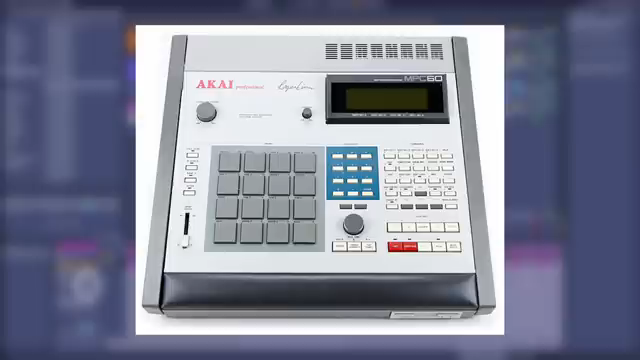
"So what you see with all these variations is recordings of the timings from old technologies, or even DAWs."
© Screenshot/Quote: Bthelick (YouTube)
Bthelick wraps up by unpacking the history behind some classic groove variations. Exploring why so many groove types exist, he delves into the quirks of old-school gear like the Akai MPC. Interestingly, what made its swing revered wasn’t its accuracy but rather its mathematical errors that lent these machines their unique vibe.
With fixed point math and timing chips, these devices unintentionally added character through rounding errors. This quirky imperfection became a signature, recorded in history as not perfect but intriguingly human. Bthelick explains how today’s DAWs replicate these storied grooves, offering more than just perfect timing.
It’s a nostalgic glance back at technology’s role in defining rhythmic nuance. By encouraging producers to embrace these unique swings, Bthelick nudges them towards greater musical exploration. It’s not about chasing mathematical perfection, but finding the feel that resonates. Through understanding the mistakes of the past, producers can harness a rich palette of groove possibilities in their current productions.
This article is also available in German. Read it here: https://synthmagazin.at/mit-bthelick-auf-swing-abenteuer-die-beat-wissenschaft-die-du-brauchst/
Watch on YouTube:
Latest articles
Watch on YouTube:
Visit the channel:
https://www.youtube.com/Bthelick
https://www.youtube.com/Bthelick
Links from Bthelick:
Instagram: https://instagram.com/bthelickmusic
SoundCloud: https://soundcloud.com/bthelick
Ko-Fi: https://ko-fi.com/bthelick
facebook: https://facebook.com/bthelick
Twitter: https://twitter.com/BtheLick
Sponsored links:
If you purchase via these links, we may earn a small commission – at no extra cost to you. The link opens an Amazon keyword search, and results may vary depending on availability.
Ableton
🔗 Check price on Amazon
🔗 Check price on Amazon