Kraftwerk’s ‘Numbers’ isn’t just a synth classic—it’s a cryptic riddle in electronic sequencing. Josh Lucan, LA’s media composer, tears into the wild arpeggio that’s baffled nerds for decades and finds a simple machine at its heart. We get a no-fluff, hands-on breakdown of the Synthanorma 316’s role, an honest VCV Rack recreation, and a glimpse at Lucan’s own Keystitch app for sharpening your musical mind. Expect zigzags, key leaps, and a sequencer trick that’s more punk than polite.
20. October 2026
SPARKY
Josh Lucan Dissects Kraftwerk’s ‘Numbers’: Sequencing Chaos With Style
Arpeggio Madness: The Method in Kraftwerk’s Mayhem
Right out the gate, Lucan zooms in on the bit of ‘Numbers’ that’s made synth heads scratch their skulls for years—the arpeggio. It sounds as if Kraftwerk’s sequencer drank a pint of chaos, yet there’s an odd regularity lurking beneath the surface. Forget note-by-note programming; this is about a pattern darting between order and wildness, with Lucan arguing it’s all built on a deceptively simple mechanism.
He breaks down his transcription process, using ear training and mental keyboard gymnastics to map out every note. What emerges isn’t randomness, but a repeating zigzag shape in every bar—a sonic signature that’s consistent even as the notes themselves jump all over the shop. Lucan’s approach is clinical but never dry; he finds the groove in the madness, showing us that Kraftwerk’s machine logic has a human pulse.
"It sounds at once bonkers, but also strangely composed."
© Screenshot/Quote: Joshlucan3512 (YouTube)
The Synthanorma 316: Secret Weapon or Just Fancy Switches?
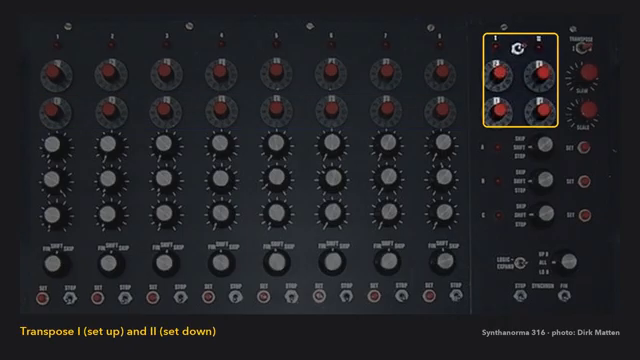
"And you see it has a switch that goes from transpose one to transpose two."
© Screenshot/Quote: Joshlucan3512 (YouTube)
Now for the real synth-nerd bait: the sequencer. Lucan zeroes in on the Synthanorma 316, a custom Kraftwerk box with sixteen steps, octave controls, and a transpose section with a notorious slew knob. Forget polite, step-by-step melodies—this beast injects voltage glide for that signature, drunken lurch between pitches. The two transpose switches let you hurl the sequence up or down, all while the slew knob stretches the pitch shift into a fluid, unpredictable slide.
Lucan’s theory? Kraftwerk dialled in a basic pattern and then mangled it with these controls to unleash pure, controlled chaos. No one’s got the original manual, but this theory tracks: it’s the kind of mechanical hack that turns a rigid machine into an unruly street fighter. If you want polite, look elsewhere. This sequencer’s got attitude.
Key Shifts, Zigzags and the 14-Bar Loop: Anatomy of the Groove
Lucan breaks down the arpeggio’s wild ride through different key centres, spotting how each bar leaps to a new tonal zone—not unlike a jazz soloist darting through chord changes. Mapping the arpeggio in MIDI, he finds a regular, almost mechanical up-and-down motion, mirrored in the back half of each bar. It’s less random than it sounds; there’s logic in the zigzag, even when the pitches seem to bounce off the walls.
What’s really bonkers: the sequence plays out over 14 bars before looping, with mirrored key shifts creating a feeling of endless movement. Lucan’s dissection is sharp—he sniffs out the preset logic Kraftwerk baked in, showing how the machine’s bones structure the chaos. If you want to hear it in action, the video’s sound examples say more than words ever could.
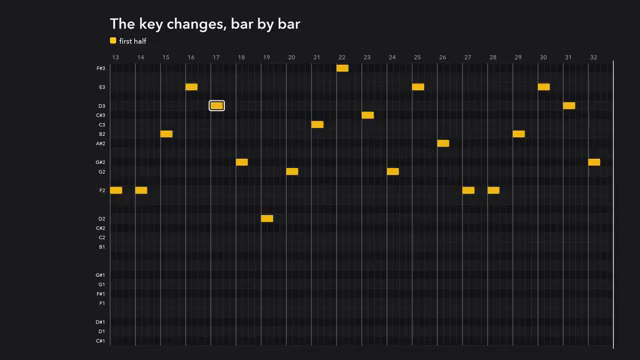
"Then I noticed that there's actually two key center shifts per bar because the back half has its own key center shift"
© Screenshot/Quote: Joshlucan3512 (YouTube)
VCV Rack: Rebuilding the Madness With Modern Tools
With the theory laid down, Lucan gets his hands dirty in VCV Rack, patching up a digital doppelganger of the original Kraftwerk setup. The core pattern on its own is so dry it could rust—add the transposition and slew, though, and suddenly you’re in ‘Numbers’ territory: bouncing zigzags, unexpected drops and a groove that refuses to behave.
He’s honest about the limitations—no perfect simulation here, but the vibe is nailed. Lucan’s walkthrough doesn’t spoon-feed every cable and knob tweak, so if you want to clone the magic, you’ll have to watch and patch along. That’s half the fun: the details you need to hear, not just read.
Keystitch: Lucan’s Cheat Code for Your Musical Brain

"The first 1000 people who redeem the code "original member" get KeyStitch on iPhone free for life."
© Screenshot/Quote: Joshlucan3512 (YouTube)
After all the patching, Lucan pitches his own app—Keystitch. It’s not just another piano trainer; it’s designed to help you visualise and internalise note patterns, making those wild Kraftwerk changes feel like second nature. He’s giving away a thousand free lifetime copies, so if you ever wanted to see music the way Lucan does, now’s your chance.
This article is also available in German. Read it here: https://synthmagazin.at/josh-lucan-zerlegt-kraftwerks-numbers-sequencing-chaos-mit-system/
More articles about these products:
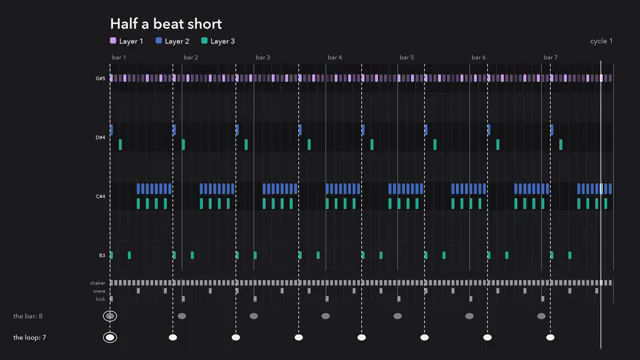 Josh Lucan Unravels Tangerine Dream’s Phantom Loop: A Sonic Mirage in ‘Logos’
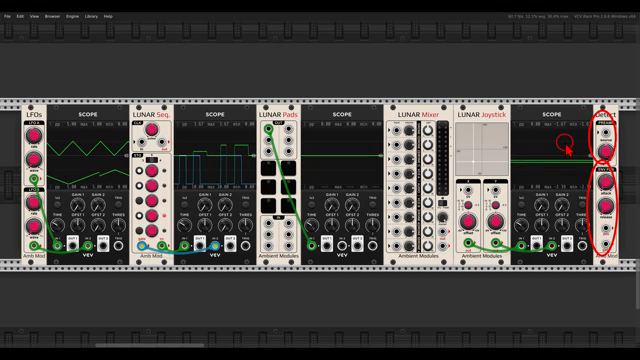 Omri Cohen Sets VCV Rack Ablaze with Solar 42-Inspired Madness
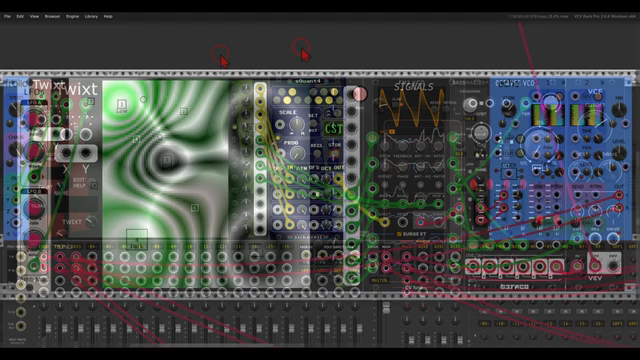 Omri Cohen’s Stochastic Telegraph Twixt: Wiggly Modulation Mayhem in VCV Rack
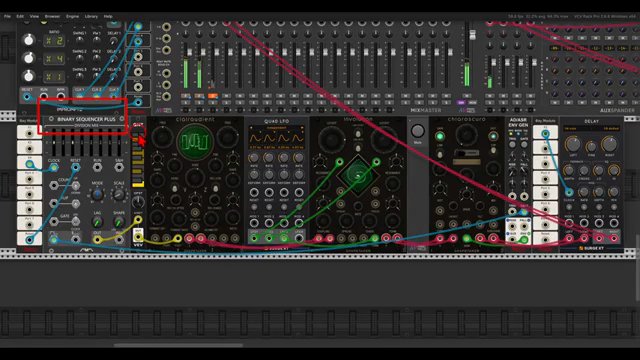 VCV Rack Gets Rowdy: Omri Cohen Unleashes September’s Free Module Onslaught
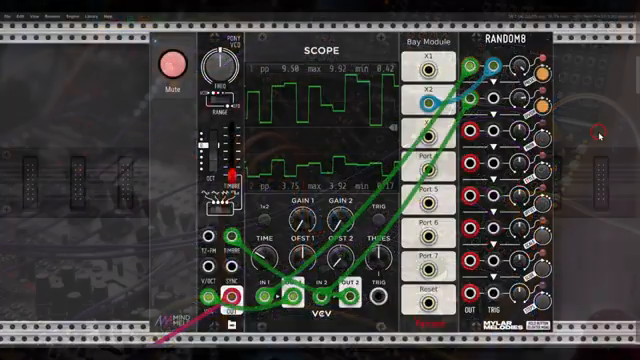 Omri Cohen Unleashes the RANDOM8: Modular Mayhem for the Brave
 Omri Cohen’s VCV Rack Roundup: Free Modules That Actually Bang
 MusoTalk conquers sound worlds: DAW, modular synths, and AI music in focus
Watch on YouTube:
Latest articles
Watch on YouTube:
Visit the channel:
https://www.youtube.com/joshlucan3512
https://www.youtube.com/joshlucan3512
Links from joshlucan3512:
Website: https://www.joshlucan.com/
Sponsored links:
If you purchase via these links, we may earn a small commission – at no extra cost to you. The link opens an Amazon keyword search, and results may vary depending on availability.
Keystitch
🔗 Check price on Amazon
🔗 Check price on Amazon
Synthanorma 316
🔗 Check price on Amazon
🔗 Check price on Amazon
VCV Rack
🔗 Check price on Amazon
🔗 Check price on Amazon