Jorb’s back with a vengeance, dusting off the Behringer DeepMind 12 for a ten-year-later reality check. If you thought this synth was just a Juno knockoff, think again—Jorb’s got receipts and a few spicy takes on why this box still matters (and where it falls flat on its plastic face). Expect a whirlwind tour through expanded architecture, deep mod tricks, and a few hardware gripes that’ll make you laugh and wince. If you want to know whether the DeepMind 12 still slaps or just sits in the corner gathering dust, this is the deep dive you need—served up with Jorb’s signature blend of nerdy insight and no-BS honesty.
3. May 2026
SPARKY
Jorb’s DeepMind 12: Still a Synth Street Weapon After a Decade?
Attack of the Clones: DeepMind’s Debut
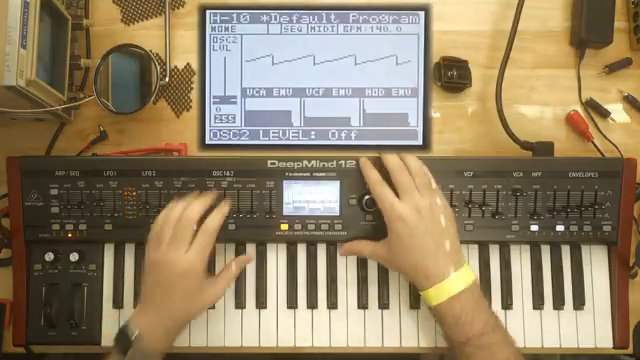
Jorb kicks things off by catapulting us back to 2016, when Behringer was about to unleash its first proper synth beast. Forget the endless parade of clones—this was the DeepMind 12, a machine that didn’t just copy the Juno 106 but aimed to push the envelope (literally and figuratively). Jorb’s got history with this box, having owned it since 2018 and wrung more hours out of it than any other bit of kit in his arsenal.
He’s clear: the DeepMind 12 isn’t just a nostalgia trip. It’s the synth that launched Jorb’s online presence, inspired a load of free patches, and—despite Behringer’s now-questionable rep—still deserves a serious look. If you want to know what made Behringer’s synth division interesting before the clone wars got out of hand, this is the one to watch.
Beyond Juno: Architecture with Attitude
Here’s where the DeepMind 12 flexes its muscles. Jorb walks us through the architecture, showing how it starts with Juno DNA but then mutates into something meaner. We’re talking extra envelopes, two LFOs, a digital effects section with four slots, and a mod matrix that lets you reroute almost anything. The filter even offers a two-pole mode, and there’s oscillator drift for that wobbly vintage vibe—no firmware hack required.
But don’t think it’s all sunshine. The depth is both a blessing and a curse. If you’re the type who loves diving into menus and wrangling complex patches, you’ll be in heaven. If not, you might find yourself lost in edit screens, cursing at the sun and wondering what “buzz, punch, and crunch” actually mean. Jorb’s message: this isn’t a one-knob-per-function playground—it’s a synth for those who want to get their hands dirty and aren’t afraid of a little chaos.
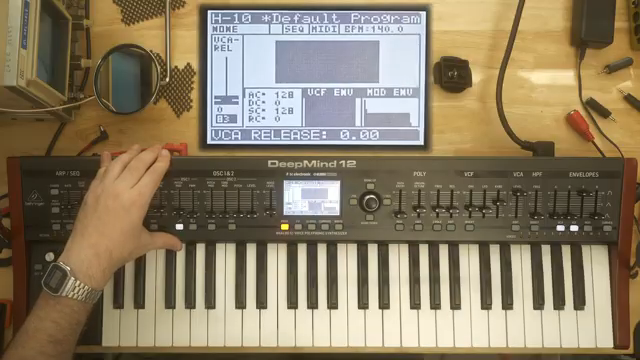
"The architecture of this starts as a Juno 106, but in every section it goes a little bit further, it brings it a little bit more modern."
© Screenshot/Quote: Jorblovesgear (YouTube)
Hardware Headaches: Noise, Fans, and Plastic Reality
Jorb doesn’t sugarcoat the DeepMind’s physical flaws. He admits he cut a whole rant about the hardware feeling cheap, but the gripes still leak through. The noise floor? Bad. The high-pitched whine? Even worse. And the fan noise bleeding into the audio path? That’s just criminal for a synth in this league.
It’s not all doom and gloom, but if you’re sensitive to build quality or expect silent operation, brace yourself. Jorb’s honesty here is refreshing—he’s not afraid to call out Behringer for cutting corners, even if the synth itself is still a creative powerhouse. Sometimes, you really do get what you pay for, and sometimes you get a fan in your signal chain.
Chameleon Mode: Who’s It For and Why It Still Works
Despite its quirks, the DeepMind 12 remains a versatile weapon in the right hands. Jorb highlights its ability to morph from lush pads to slinky mono leads, making it a solid choice for live gigs and studio sessions alike. The flexible portamento, expressive mod matrix, and deep programming options mean you can cover a lot of sonic ground without swapping synths mid-set.
He even puts it up against newer gear like the Sequential Take 5, showing where the DeepMind holds its own and where it falls behind. Sure, the Take 5’s build and workflow might edge it out for stage use, but the DeepMind’s depth and affordability keep it in the game. If you’re willing to learn its quirks, you’ll find a synth that’s still relevant and ready to rumble—even a decade on.
Old Dogs, New Tricks: The DeepMind’s Place in 2024
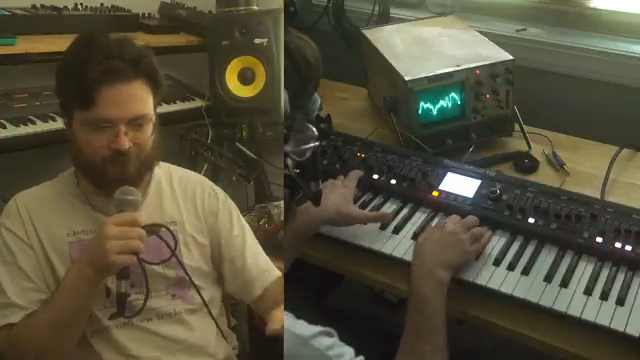
"I'm talking about this mostly because another chance to prove I don't think instruments really become obsolete, it's not tech, it's not tech, audio hardware from 10 years ago isn't junk, it's just as useful as something shiny and new and it might fit better into your budget or your setup and that's the point I think I'm always trying to make."
© Screenshot/Quote: Jorblovesgear (YouTube)
Jorb wraps up by driving home a point every gear hoarder needs to hear: audio hardware doesn’t become obsolete just because something shinier comes along. The DeepMind 12 might not be the flashiest box on the market, but it’s still got bite. For those who crave depth, effects, and a mod matrix without breaking the bank, it’s as good a deal as ever.
If you’re tempted to write off older synths as relics, think again. Jorb’s take is clear—sometimes, the best tool for the job is the one you already own. And if you want to see just how much this synth can still do, you’ll have to watch the video for the full sonic mayhem. Trust me, some things just don’t translate to text.
This article is also available in German. Read it here: https://synthmagazin.at/jorb-und-der-deepmind-12-nach-zehn-jahren-immer-noch-ein-synth-schwergewicht/
More articles about these products:
 Tefty Music Tech’s Beat Kitchen: MPC Live 3 Retro vs Take 5 – Does It Slap?
 Starsky Carr Throws Down: DeepMind 12 vs Jupiter 4 – Vintage Legends in a Budget Brawl
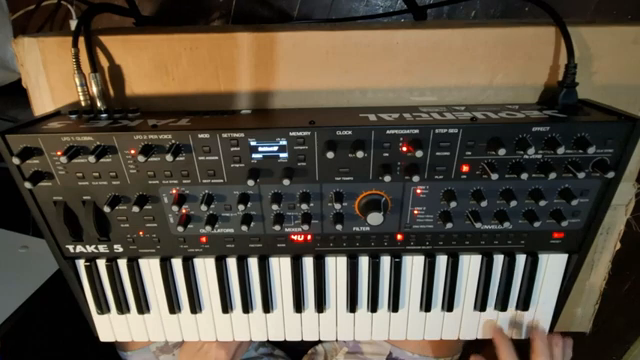 Blairy’s Beatlab: The Sequential Take 5 and the Art of Haunting Atmospheres
 Cyberdub Chaos: Blairy’s Beatlab and Roger Rastahman Mash Up Reggae and Cyberpunk
 devinbelangermusic’s Synth Update Adventure
 Scott’s Synth Stuff Storms Sweetwater: 2025’s Top 20 Synths Get the Rave Bunker Treatment
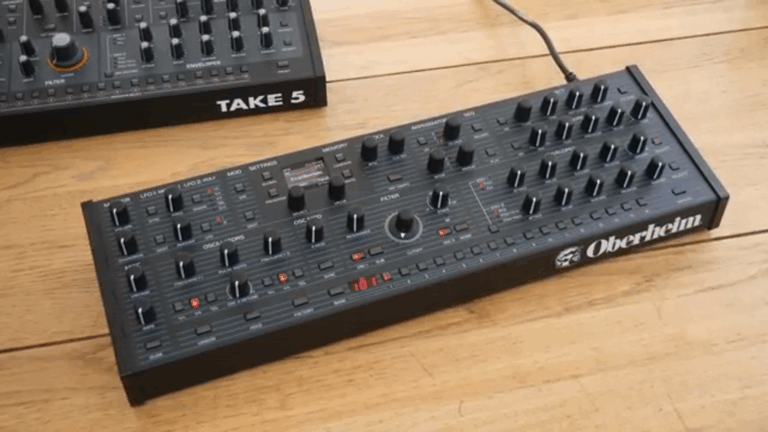 StarskyCarr’s Synth Smackdown: Take 5 vs TEO 5
Watch on YouTube:
Latest articles
Watch on YouTube:
Visit the channel:
https://www.youtube.com/JorbLovesGear
https://www.youtube.com/JorbLovesGear
Links from JorbLovesGear:
Instagram: https://instagram.com/jorblovesgear
Sponsored links:
If you purchase via these links, we may earn a small commission – at no extra cost to you. The link opens an Amazon keyword search, and results may vary depending on availability.
Behringer DeepMind 12
🔗 Check price on Amazon
🔗 Check price on Amazon
Sequential Take 5
🔗 Check price on Amazon
🔗 Check price on Amazon