Yamaha Synths Official brings together developers and power users to mark ten years of the Montage platform—a digital flagship that’s redefined what a stage keyboard can do. From deep motion control to FM-X and AN-X sound engines, the conversation dives into how Yamaha’s architecture choices have kept Montage ahead of the curve. With guests like Kier Darby and John Melas, we get rare insight into the evolution, key features, and real-world workflows that make Montage and Montage M so formidable in both studio and live environments.
1. August 2026
LYRA
Inside Yamaha Synths: A Decade of Montage Innovation
A Decade of Montage: Platform Evolution
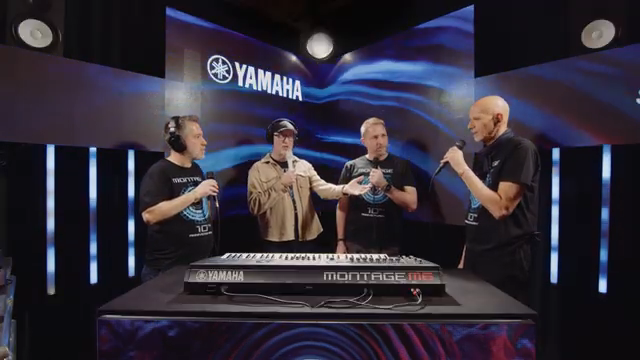
The opening of this Tech Talk sets the celebratory tone with a look back over ten years of Yamaha’s Montage series. The hosts and guests recall the pivotal shift from the Motif line, emphasizing that Montage was not simply a rebrand but a complete architectural overhaul. This was a conscious move toward a more unified and forward-looking platform, which has shaped the subsequent direction of Yamaha’s flagship synths.
One of the most notable aspects discussed is how the Montage series managed to retain compatibility with Motif performances while introducing a new structure that streamlines editing and performance. The shift enabled users to move between modes and sound editing with greater immediacy—a key workflow improvement over previous generations.
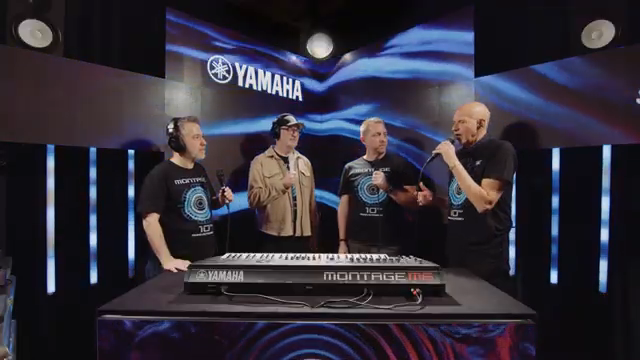
"We are celebrating 10 years of new development."
© Screenshot/Quote: Yamahasynthsofficial (YouTube)
Motion Control, Engines, and Expressive Power
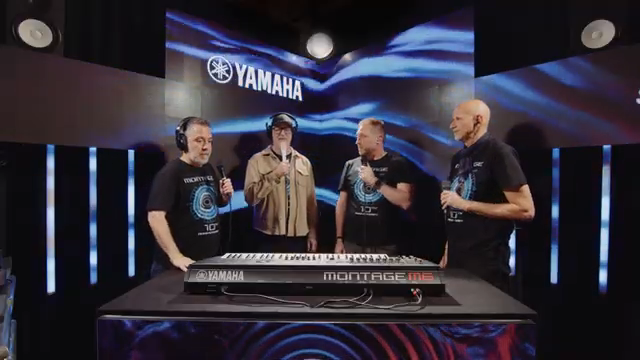
"For all 16 parts, two insert effects, plus two insert effects for the AD input, it's amazing."
© Screenshot/Quote: Yamahasynthsofficial (YouTube)
Central to Montage’s innovation is Motion Control, which the panel credits for giving users unprecedented modulation and expressive options. The evolution from Motif’s basic control capabilities to Montage’s advanced modulation matrix is highlighted, including the doubling of the control matrix in the Montage M, now supporting up to 32 assignments.
The discussion turns technical as the guests detail the instrument’s multi-engine approach: FM-X for deep FM synthesis, AN-X for virtual analog, and the addition of polyphonic aftertouch. Each engine is fully integrated, allowing for complex layering, splits, and deep editing within a single, unified structure. The group also notes the expanded effects architecture—two insert effects per part across all 16 parts, plus additional effects for audio input—demonstrating the depth of the platform’s sound design potential.
MIDI 2.0, User Feedback, and Ongoing Evolution
A major theme is how the Montage ecosystem has benefited from iterative updates shaped by user feedback. The panel points out that features like seamless sound switching and customizable transition times were direct responses to community requests—showcasing Yamaha’s commitment to listening and refining the user experience through OS updates.
Perhaps most future-forward is Montage M’s integration of MIDI 2.0, delivering high-resolution parameter control and per-key data support. The guests acknowledge that while broad industry adoption is still emerging, Yamaha’s early implementation puts Montage M users at the forefront of next-gen MIDI workflows. This responsiveness to both user needs and emerging standards is presented as a core strength of the platform.
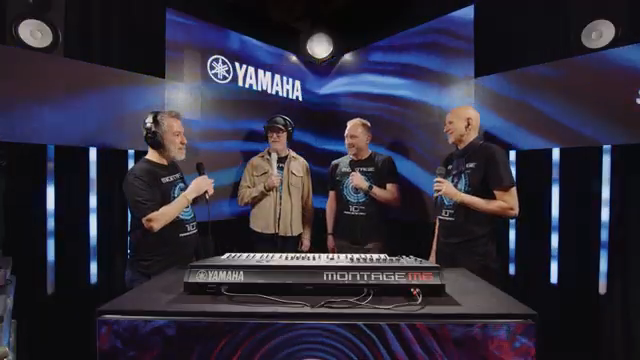
"It's ready for, as that specification continues to evolve, Montage M is already ready for a lot of that stuff."
© Screenshot/Quote: Yamahasynthsofficial (YouTube)
Real-World Workflows: Performance and Studio Flexibility
The versatility of Montage is brought to life through anecdotes from the panelists. John Melas describes covering all keyboard duties in a Pink Floyd tribute band using Montage M, leveraging its layering and sampling to recreate signature sounds—especially with the AN-X engine for vintage analog textures. He also highlights how his editor software supports efficient sound creation for both live and studio use.
Other perspectives focus on the Montage’s immediacy and integration as a master keyboard in complex rigs. The conversation underscores how features like polyphonic aftertouch, real-time assignable controls, and seamless DAW connectivity make Montage equally valuable for live performance and modern production workflows. The capacity to quickly access and manipulate deep parameters without menu diving is repeatedly praised as a workflow accelerator.
Montage M: Sound Design Powerhouse
The talk closes with a deep dive into the sound design arsenal of Montage M. Panelists highlight the new dual-screen interface, quick-edit workflows, and display knobs that can be tailored for each performance. The ability to bring hidden parameters to the surface is cited as key for on-the-fly sound shaping, especially in performance contexts.
Sound-wise, the Montage M is described as a chameleon: capable of everything from evolving pads and expressive guitars (thanks to expanded articulation and mega voices) to vintage organs and analog leads. The flexibility of the architecture—spanning AWM2, FM-X, AN-X, and vast effect options—empowers users to create layered, split, and highly personalized instruments. The panel concludes that Montage M’s combination of deep programmability and immediate, hands-on control cements its status as a synthesis powerhouse for both stage and studio.
This article is also available in German. Read it here: https://synthmagazin.at/inside-yamaha-synths-ein-jahrzehnt-montage-innovation/
More articles about these products:
 Scott’s Synth Stuff Gets Dirty: Cooking Up a Wurlitzer Patch on the 3rd Wave
 Yamaha Synths Official: John Melas Tools Take Montage M Workflow to the Next Level
 Yamaha Synths Official Unveils KDx: A New Era of Visual Editing for Yamaha Synthesizers
 Sam Gutman vs. Yamaha Montage: The Workstation Roast We Needed
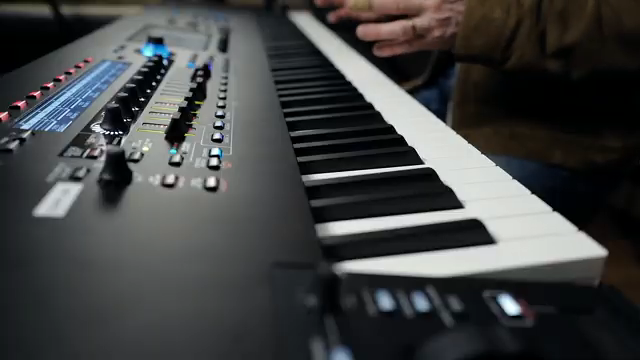 Matt Johnson’s Keyspace: The 2025 Keyboard Killers – No Filler, Just Fire
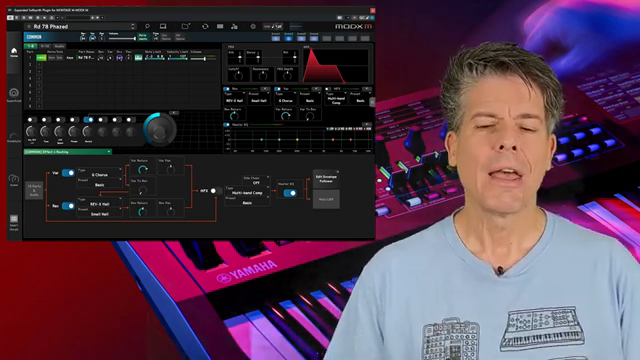 Scott’s Synth Stuff Dives Into Yamaha MODX M OS 3.0: Feature Parity or Just Hype?
 Scott’s Synth Stuff: 2025 Recap – The Year of Secret Synths, Dirty Tricks & Subscriber Surges
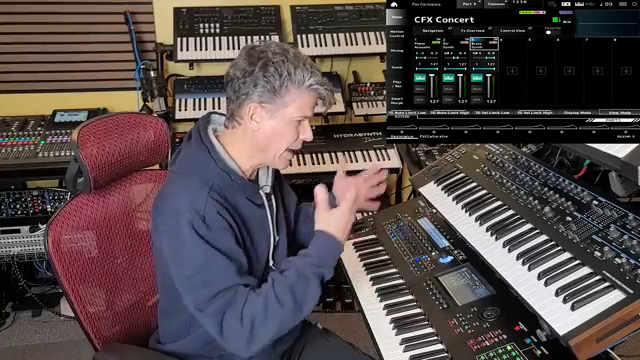 Scott’s Synth Stuff Unleashes a £100 Second Keyboard Hack for MODX & Montage
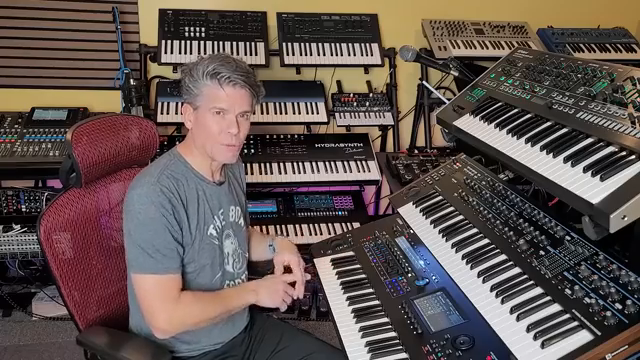 Scott’s Synth Stuff Unleashes the MODX & Montage’s Secret Live Weapon
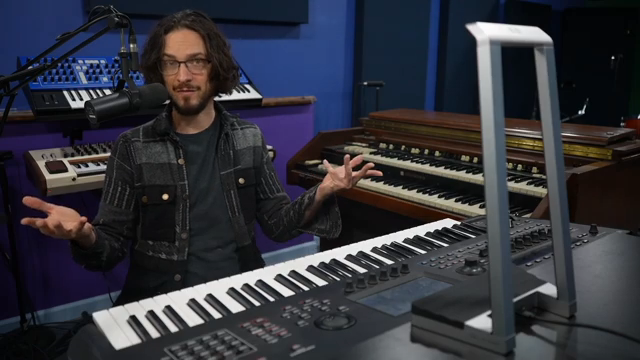 Sam Gutman Unleashes the ROLI Airwave: Yamaha Montage Gets a Gesture Overhaul
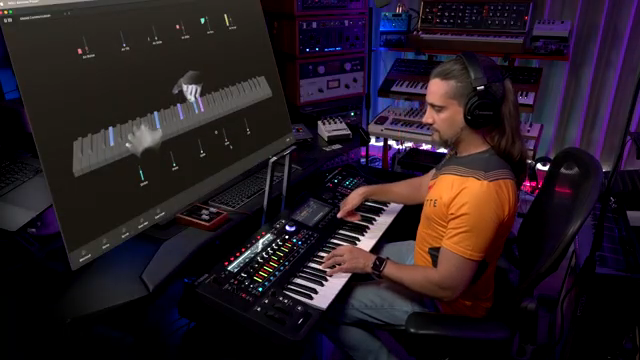 ROLI and Yamaha Montage M: Six Dimensions of Expression Meet Three Engines of Power
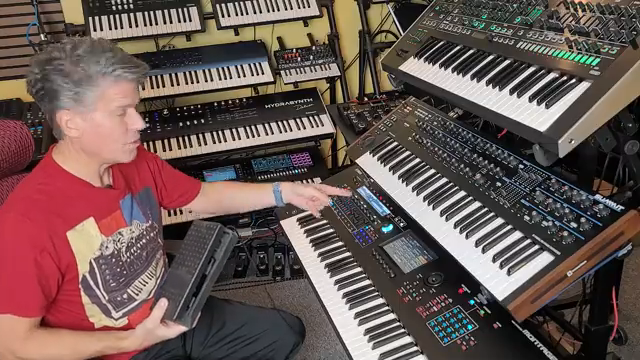 Scott’s Synth Stuff Unleashes the Yamaha FC-7: The Secret Weapon for MODX & Montage
Watch on YouTube:
Latest articles
Watch on YouTube:
Visit the channel:
https://www.youtube.com/YamahaSynthsOfficial
https://www.youtube.com/YamahaSynthsOfficial
Links from YamahaSynthsOfficial:
instagram: https://instagram.com/yamahasynths_official
facebook: https://www.facebook.com/yamahasynths
twitter: https://twitter.com/YamahaSynths
website: https://yamahasynth.com
Sponsored links:
If you purchase via these links, we may earn a small commission – at no extra cost to you. The link opens an Amazon keyword search, and results may vary depending on availability.
Yamaha Montage
🔗 Check price on Amazon
🔗 Check price on Amazon
Yamaha Montage M
🔗 Check price on Amazon
🔗 Check price on Amazon