Espen Kraft dives deep into the Yamaha TG77, a synth module that’s less ‘retro relic’ and more ‘sonic street weapon’. This isn’t your average FM box – it’s a Frankenstein of advanced FM and wave memory, with enough layering and effects to make your DAW sweat. Kraft’s signature 80s-obsessed style meets no-nonsense breakdowns, showing just how far Yamaha pushed the envelope when they built this beast. If you think you know FM, think again – the TG77 is here to flex, and Espen’s got the patches to prove it.
16. January 2026
SPARKY
Espen Kraft Unleashes the Yamaha TG77: FM Synthesis Goes Full Rave Bunker
One Synth to Rule Them All: TG77’s Hybrid Power
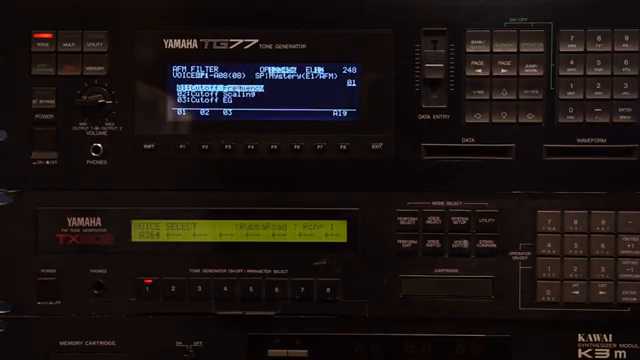
Yamaha’s TG77 didn’t just show up to the 90s synth party – it kicked the door in, combining advanced FM synthesis with wave memory in a way that left the competition gasping. Espen Kraft wastes no time showing how this rackmount monster lets you blend FM elements with sampled waveforms, all in one patch. You’re not stuck with just sine waves or basic digital grit – you get two elements, one FM and one wave memory, ready to be mashed together or split apart at will.
The TG77’s architecture means you can stack, layer, and configure up to four elements per voice, with the most complex mode letting you run two FM and two wave memory elements simultaneously. That’s not just a step up from the DX7 – it’s a full-on leap into the rave bunker. Kraft points out the sheer number of algorithms (45, compared to the DX7’s 32) and the expanded waveform options, making it clear this isn’t just a DX7 with a facelift. It’s an all-in-one synth lab for those who want to go deep.
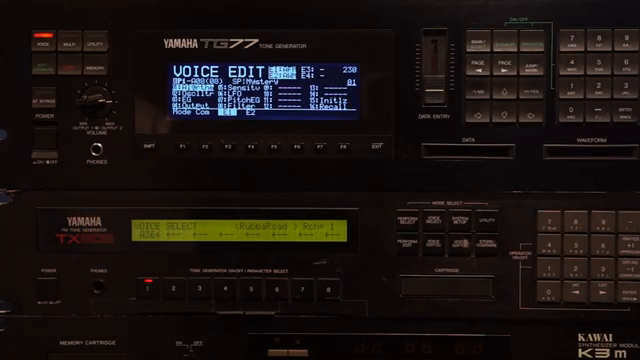
"This is a DX7 on steroids, very advanced, and you can do a lot here."
© Screenshot/Quote: Espenkraft (YouTube)
Programming Depth: Welcome to the Menu Maze
"So this is a DX7 with a filter on steroids."
© Screenshot/Quote: Espenkraft (YouTube)
If you thought programming a DX7 was a toaster-fight, the TG77 takes things to a whole new level – but in a good way. Espen Kraft walks us through the labyrinth of menus, showing how you can tweak global parameters, set up effects routing, and fine-tune every element’s level, pan, and output. The interface is button-heavy, but surprisingly logical, so long as your fingers (and the buttons) are still alive after decades of use.
The real kicker? You’re not just limited to sine waves anymore. The TG77 gives you 16 different waveforms for FM operators and 112 sampled waves for the AWM side, including drums and analog-style brass. Kraft demonstrates how you can blend, filter, and envelope these elements, turning the TG77 into a sound designer’s playground. Sure, there’s a lot of button-pushing, but if you want to build patches from scratch, this synth rewards you with flexibility that leaves its ancestors in the dust.
Layering, Effects, and the Sonic Street Weapon Factor
What really sets the TG77 apart is its ability to layer sounds and route them through a gnarly effects section. Kraft highlights the dirty, characterful effects onboard – not as hi-fi as the later SY99, but with enough grit to make your tracks punch through any mix. The routing options are wild: you can send each element to different outputs, stack effects, and even bypass them entirely with a dedicated button (why don’t all synths have this?).
Multi-timbrality is baked in, letting you run up to 16 voices on 16 channels – a dream for anyone sequencing big, layered tracks. Kraft compares the TG77’s power to the TX802, calling the older module a velociraptor and the TG77 a full-on T-Rex. In short, this thing isn’t just versatile – it’s a sonic street weapon for producers who want to go beyond basic FM.
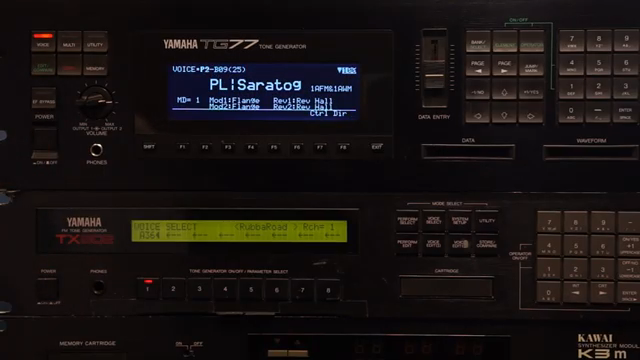
"You can have 16 voices on 16 different channels going at once here, so it's massive."
© Screenshot/Quote: Espenkraft (YouTube)
Yamaha’s Evolution: From DX7 to TG77 and Beyond
Kraft doesn’t just geek out on the TG77 in isolation – he puts it in context, tracing Yamaha’s synth evolution from the TX series of the 80s to the SY/TG series, and on to the EX and Motif lines. The TG77 is a clear product of Yamaha’s relentless drive to push FM technology further, adding more features, more waveforms, and more creative options with every generation.
He notes that while the SY99 brought a more polished, hi-fi sound with a souped-up effects section, the TG77 holds its own with raw power and flexibility. If you’re after that gritty, early-90s edge, this is the one to hunt down. Kraft’s take is clear: Yamaha’s innovation didn’t stop with the DX7 – it just kept mutating, and the TG77 is a glorious result of that process.
Sound Demos: Hear It Roar (Seriously, Watch the Video)
You can read specs and menus all day, but the real magic is in the sound. Kraft drops a barrage of audio demos, layering patches, basses, and leads that show off the TG77’s unique character. From 90s techno stabs to lush pads, it’s all here – but honestly, words can’t do it justice. If you want to feel the full T-Rex stomp, you need to hear it in action. Don’t sleep on the video for the proper aural experience.
This article is also available in German. Read it here: https://synthmagazin.at/espen-kraft-entfesselt-den-yamaha-tg77-fm-synthese-im-rave-bunker-modus/
Watch on YouTube:
Latest articles
Watch on YouTube:
Visit the channel:
https://www.youtube.com/EspenKraft
https://www.youtube.com/EspenKraft
Links from EspenKraft:
Instagram: https://instagram.com/espenkraft
Sponsored links:
If you purchase via these links, we may earn a small commission – at no extra cost to you. The link opens an Amazon keyword search, and results may vary depending on availability.
Yamaha TG77
🔗 Check price on Amazon
🔗 Check price on Amazon