DivKid’s back at it, diving into u-he’s MELT for a dose of drum synthesis that’s anything but routine. If you thought filters were just for squelching, think again—here, they’re the backbone of gritty kicks, snappy snares, and low-end rumbles. Expect filter pings, FM tricks and enough patching flair to make your modular sweat. This isn’t preset territory—it’s DIY drum science with a proper British wink, straight from the bunker.
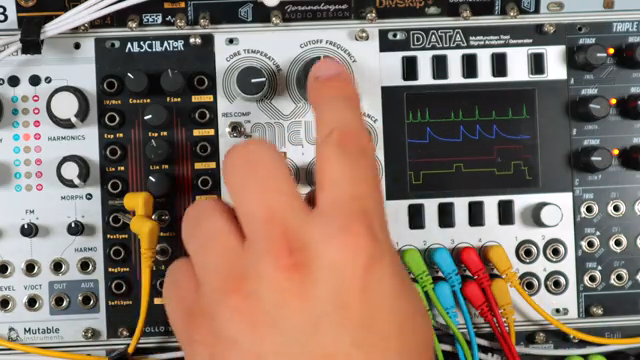
Patch Like You Mean It: MELT’s Drum Power
DivKid kicks things off by getting straight to the point—MELT isn’t just another analog filter, it’s a playground for anyone serious about crafting their own drum voices. Forget hand-holding: this is for heads who want to push filter circuits beyond the usual squelch. He lays out the plan: two advanced kick approaches and a snare patch, all wrangled from MELT’s flexible architecture.
The intro makes it clear—this isn’t a full manual, but a deep dive into the gritty bits that make drum sounds pop. If you want patch cables flying and envelopes slamming, you’re in the right rave bunker. DivKid’s style is all about modular hustle, and MELT gives you so many VCAs and mod paths it feels like a mini system for beat science.
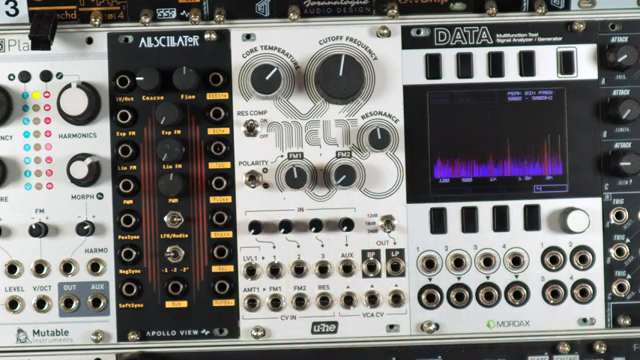
"I won't go through all of Melt's features here, but if this is the first time you've seen it, it's a highly flexible analogue filter with lots of mixing, VCA level and modulation options for both pre and post filter stages."
© Screenshot/Quote: Divkid (YouTube)
Kick It Twice: Modulation Tactics for Bass Domination
"The core temperature here does change the character, not massively but it adds a kind of thickness and weight."
© Screenshot/Quote: Divkid (YouTube)
First up: the classic trick—filter pings. By slamming short triggers into MELT and riding the resonance, DivKid wrings out everything from clicky toms to sub-heavy kicks. He’s not messing about with one envelope; there’s FM flying everywhere, and careful modulation of the trigger levels turns basic pings into dynamic, punchy bass hits. The result? Kicks with attitude, not just volume.
Next, it’s all about making things move. Sequencing the trigger levels and FM depths, DivKid shows how to get more than just static thumps—he makes those quarter note pulses thump harder while the ghost notes keep things lively. If you want to know exactly which cable goes where, you’ll need to watch the video, because this is the sort of patching chaos best experienced with your own eyes and ears.
Snare Science: Express Yourself (and Your Noise)
DivKid’s snare patch isn’t just a blast of white noise—he’s stacking sine waves, mixing envelopes, and tweaking CV to make every hit count. The basic patch is almost too simple: noise in, envelope out, instant analog snare. But then he brings in that sine body, shorter decays, and a sprinkle of FM to push things into expressive, almost acoustic territory.
Dynamics are key. With busy snare patterns, output VCA trickery, and envelope modulation, DivKid makes the snare breathe—louder hits ring out, softer ones get clipped, all without losing that raw, analog edge. MELT’s architecture lets you get deep without a nest of extra modules. There’s something very satisfying about this approach—simple blocks, clever modulation, and a result that sounds alive.
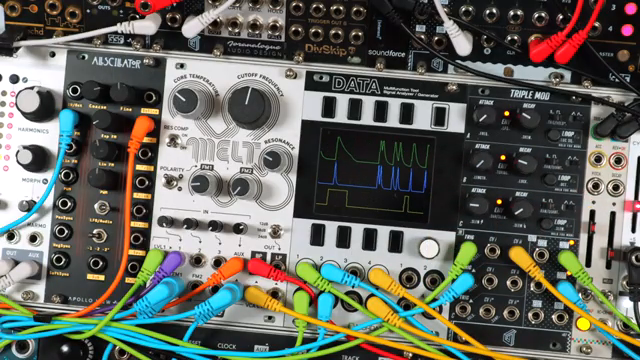
"We have a really dynamic expressive sound now that has two levels, our main downbeats with longer decay and louder outputs, and then softer outputs with shorter decay for the soft beats."
© Screenshot/Quote: Divkid (YouTube)
Drum Foundations: Patch Blending for the Brave
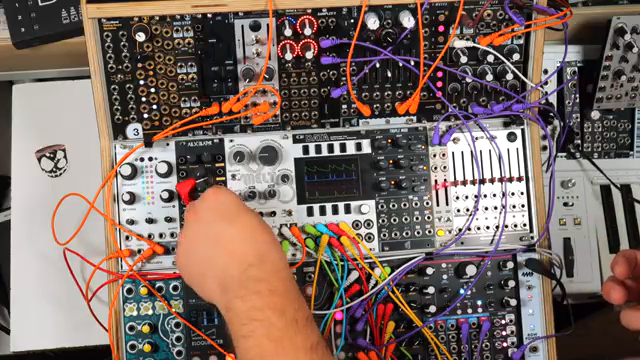
"Adds a bit of kind of fussy wooliness, bit of excitement, bit of saturation, and it just pitches down slightly too."
© Screenshot/Quote: Divkid (YouTube)
This isn’t just about isolated hits—DivKid blends his kicks, snares, and even a bit of hi-hat noise into a proper modular drum core. By cross-patching envelopes, sequencing VCAs, and layering feedback, he turns MELT into the heart of a beat machine. The trick? Keeping everything dynamic and interactive, so your drum voice never gets stale.
The advanced kick patch is a journey in itself—four envelopes, two feedback paths, and a side of techno bass rumble. Routing the bandpass and lowpass outputs back into the mix for saturation and punch, DivKid shows how a filter can become a legitimate drum synth. There’s a ton of nuance here, from resonance as a performance tool to envelope polarity flipping like a secret sidechain. If you want to hear just how filthy and flexible it gets, trust me, headphones and the full video are mandatory.
Patchbooks & VCV: Go Deeper, Get Nerdier
If you’re hungry for wiring diagrams and want to see these patch ideas mapped out in VCV Rack, DivKid’s got you sorted—PDF patchbook and virtual patches are up for grabs on his Patreon. Perfect for those who want to steal, remix, or just get lost in the modular maze. Because in the end, the best patches are the ones you build yourself—DivKid just gives you the roadmap.
This article is also available in German. Read it here: https://synthmagazin.at/divkids-melt-drum-synthese-filter-pings-kick-mutationen-die-knallen/
Watch on YouTube:
Latest articles
Watch on YouTube:
Visit the channel:
https://www.youtube.com/DivKid
https://www.youtube.com/DivKid
Links from DivKid:
Patreon: https://patreon.com/divkid
Website: https://divkidvideo.com
Instagram: https://instagram.com/divkidvideo
Twitter: https://twitter.com/divkid
Facebook: https://facebook.com/Sir.DivKid
Sponsored links:
If you purchase via these links, we may earn a small commission – at no extra cost to you. The link opens an Amazon keyword search, and results may vary depending on availability.
u-he MELT
🔗 Check price on Amazon
🔗 Check price on Amazon