David Hilowitz dives deep into the nostalgia pool, reviving a classic Nintendo Game Boy for musical adventures. Armed with Little Sound DJ software and relentless curiosity, he turns the iconic handheld console into a chiptune powerhouse. Join him in this fascinating exploration of retro game sounds and DIY music-making. It’s a jam session with history, creativity, and a dash of nerdy finesse.
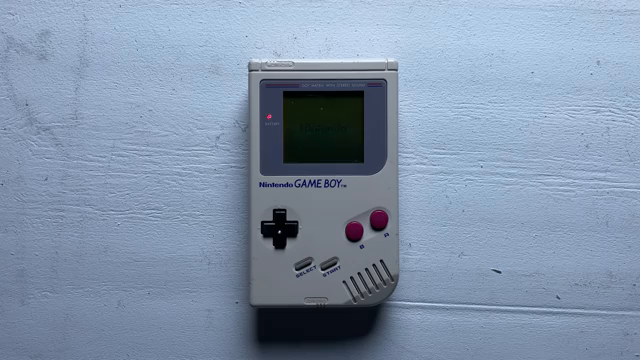
A Game Boy Revival: The Start of Something Retro
David Hilowitz kicks things off by taking us way back to 1989 with the Nintendo Game Boy—his very own time machine to a simpler era of 8-bit brilliance. This little gadget has been resurrected for musical duty, thanks to David’s procurement from eBay. He reminisces about the days of Tetris and Super Mario Land, when the distinctive bleeps and bloops were the soundtrack of every kid’s life. Now this iconic tech relic is in his hands, ready to sing a new tune. David plans to harness the power of Little Sound DJ (LSDJ), a piece of software that’s been legendary in the chiptune community. He’s known about it for 20 years but has never tried it himself—until now. After a bit of a setup hustle using a Windows computer and some tech magic, he’s ready to make music that nods lovingly to the past.
Tracking Through LSDJ: A Musical Spreadsheet Adventure
Once he’s got LSDJ fired up, David explains the workings of this quirky software with the precision of a sound explorer charting unknown territory. Imagine a spreadsheet where music comes to life—each note and sound ordered in neat columns and rows that scroll as the tune plays. LSDJ is minimalistic, as befits the Game Boy’s old-school hardware; it’s got simplicity in controls but depth in functionality. With just four buttons and a d-pad to manage the entire composition process, it’s a journey back in time—and, oh boy, what a ride. David dives into creating patterns, phrases, and chains with childlike excitement, his delight almost palpable as he turns the Game Boy into a mini orchestra. He wrestles with the nuances of two synthesized voices and a grid that’s more cramped than an early ‘90s phone book but soon starts making catchy sounds. Every tweak brings a sense of satisfaction and wonder, as musical phrases transform into a vibrant chiptune melody. For David, navigating these musical mazes seems like playing Tetris with sound, making sure everything fits perfectly in place.

"LSDJ is a kind of software called a tracker. Trackers are essentially musical spreadsheets."
© Screenshot/Quote: Davidhilowitzmusic (YouTube)
The Hierarchy of Sound and the Quest for Harmony
David delves into the complex hierarchy of LSDJ’s sound organization. The software’s structure—phrases, chains, and songs—might initially seem like an arcane ritual, but here, it mirrors a composer arranging a symphony. Each component of the structure plays a distinct role in crafting an intricate, cohesive piece. David takes us through his process of layering sound, and it’s like watching a master chef tossing ingredients effortlessly into a sizzling pan. The Game Boy’s screen, small and limiting, turns into a window through which we glimpse endless creative possibilities. As he explores different voices, David is in his element, balancing the distinct layers of sound with an intuitive flair. There are challenges, sure—a learning curve strewn with surprise twists and turns—but he approaches them with the curiosity of an explorer mapping uncharted lands. Watching David piece together melodies, one could say it’s akin to solving a sonic Rubik’s Cube—each algorithm of sound carefully aligned to create something melodically mesmerizing.
Synchronizing Sounds: A Duet of Game Boys
"Every time I turn around it seems there's some other thing that LSDJ can do that I didn't know about."
© Screenshot/Quote: Davidhilowitzmusic (YouTube)
Taking things up a notch, David demonstrates the creative synergy of using two synchronized Game Boys. Tapping into the power of LSDJ alongside the ingenuity of fellow musician Ethan Desautels (aka Donutshoes), he reveals another layer of what these little consoles can achieve. This duet, where two Game Boys work in tandem, paints a picture of how dynamic chiptune music can be. As they sync, the air fills with a symphony of clicks and pops, each note resonating with nostalgic joy. Despite the Game Boys’ primitive origins, David highlights how these devices continue to dazzle with versatility and depth. The performances are not just a nod to retro sounds but an adventurous leap forward, mixing the old school with the new wave. David’s joyful experimentation with LSDJ feels like a musical jam session where creativity knows no bounds, a testament to the power of pushing past perceived technological limitations. It’s like seeing two seasoned street performers playing off each other’s energy, drawing in a curious crowd with these iconic tunes.
Game Boys, DS, and More: A Cross-Console Experimentation
David’s journey doesn’t stop with the Game Boy. He brings a Nintendo DS into the fold, showcasing his unyielding passion for retro tech transformation. The DS, jailbroken and primed for musical action, becomes another vehicle of expression. Using Nitro Tracker, a piece of software fitting perfectly with the handheld’s two-screen setup, he opens up another vista of creativity. Nitro Tracker’s ability to use samples unlocks potential, letting David infuse richness with drum samples and violin distortions that sound both jarring and fascinating. As David bravely explores soundscapes, the process is reminiscent of a DJ flipping through a box of vinyls, sampling soulful hooks to create something fresh. Each device, though carrying legacy quirks, is transformed into something remarkable in David’s innovative hands. It’s this playful, hacker spirit that turns every setback—like a DS that initially wouldn’t cooperate—into an opportunity for musical storytelling. It’s a symphony of the outcasts, where old consoles find new life and new audiences.

"Each device, though carrying legacy quirks, is transformed into something remarkable in David's innovative hands."
© Screenshot/Quote: Davidhilowitzmusic (YouTube)
Building the Pico Tracker: The DIY Synthcraft Continues
In his grand exploration of sound, David goes hands-on with the Pico Tracker kit, a project bound to make any DIY enthusiast’s heart race. This venture into building a custom synth at home is a testament to his commitment to musical creation with a personal touch. Step by step, David assembles the unit, soldering keys and threading cables, turning a pile of parts into a functioning instrument. It’s like watching someone piecing together a complex street art mural one vibrant tile at a time. Once the Pico Tracker is ready, it becomes a new tool in David’s expanding arsenal, complete with the capacity to handle MIDI sequencing. The sheer joy David exudes while experimenting with this device is infectious. As he conjures beats from this homemade contraption, it’s evident the journey matters just as much as the destination. He’s not just creating music but crafting stories, using technology and a dash of raw creativity to make magic happen right on his desk. David’s work with the Pico Tracker underscores how hands-on tinkering can lead to the discovery of new sonic landscapes, much like a roadie fine-tuning a busted amp for the perfect stage sound.
Concluding the Musical Odyssey: A Nod to Stockholm (and Habitual Music-Making)
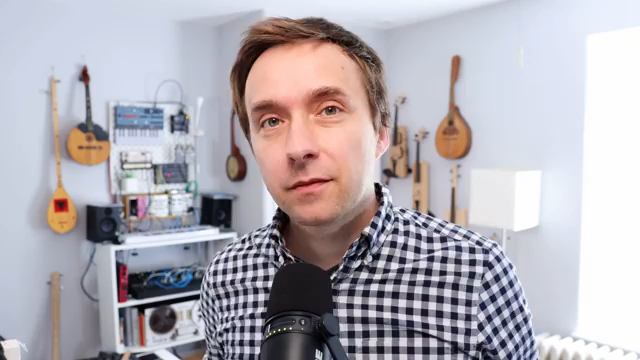
"Every time I thought I was about to be done with it I decided to tack on another part."
© Screenshot/Quote: Davidhilowitzmusic (YouTube)
Wrapping up this whirlwind of sound experiments, David reflects on the addictive nature of music-making with LSDJ and other retro gear. It’s a journey that straddles the line between nostalgia and novelty, a nod to Stockholm—a city that, in its irony, houses the creator of LSDJ. David’s drawn between youthful memories and the excitement of discovery—transforming past joys into present-day creativity. His adventures show that making music with these classic consoles brings a certain old-skool cool, each beep and bloop echoing the gaming golden days with fresh energy and a new beat. For David, and for many like him, it’s more than just music production; it’s about finding connection in the echoes of a bygone era. He gives props to Ethan Desautels for guiding him through the Game Boy landscape, and encourages anyone with an itch to compose to dive in, even if it’s just via emulators. As he rounds off, David promises more exclusive content for supporters, inviting them to join this ongoing celebration of retro innovation. Music, in David’s realm, continues to be a vibrant mixtape, a collection of rhythms that slaps harder than life itself.
This article is also available in German. Read it here: https://synthmagazin.at/davidhilowitzmusic-nimmt-uns-mit-auf-eine-8-bit-odyssee/
Watch on YouTube:
Latest articles
Watch on YouTube:
Visit the channel:
https://www.youtube.com/DavidHilowitzMusic
https://www.youtube.com/DavidHilowitzMusic
Links from DavidHilowitzMusic:
David Hilowitz Web Site: https://davidhilowitz.com
Contact Form: https://davidhilowitz.com/contact
facebook: https://facebook.com/davidhilowitz