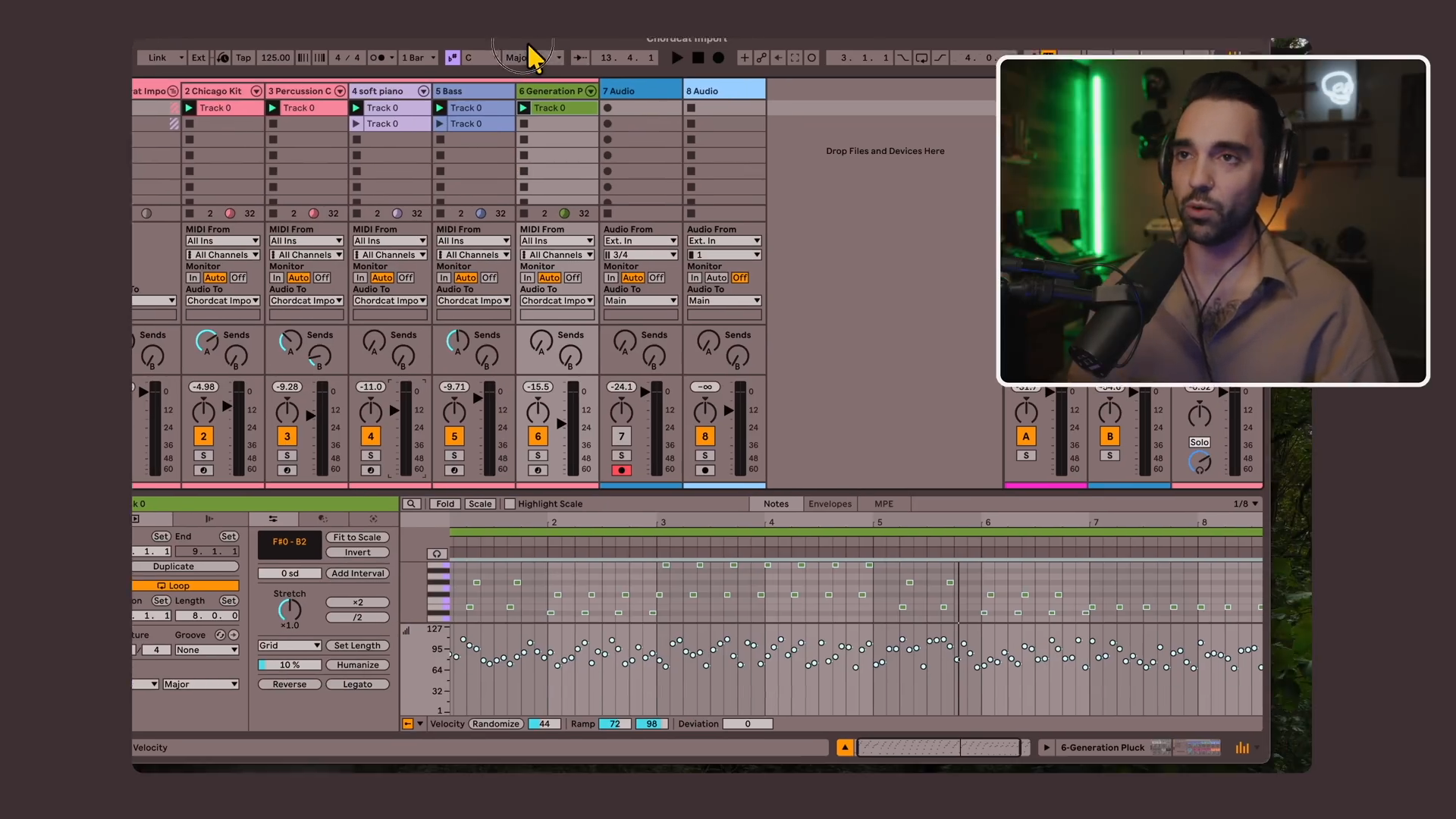
TAETRO drags a bass figure from the Chordcat Manager onto a track in Ableton Live. The same notes, a completely different sound: this is exactly the change he demonstrates in his Deep Dive published on October 26, 2026. More interesting than the question of whether this box can do everything on its own is another: How open does a musical idea remain? The video was produced in partnership with AlphaTheta; according to TAETRO, without editorial influence from the manufacturer.
Suggestions, not prescriptions
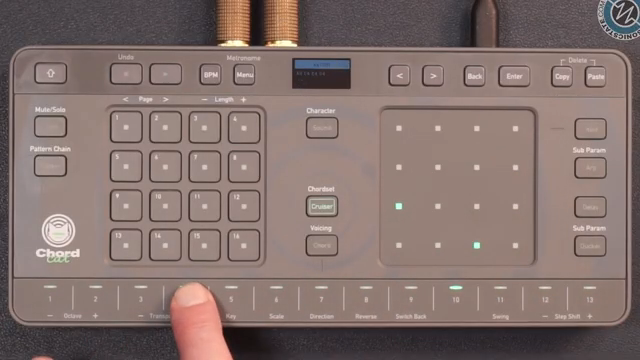
“yes it's offering them to me but I'm the one choosing what it is that I want”
© Screenshot/Quote: sonicstate (YouTube)
In Sonicstate's demo from October 19, a custom set of four chords is created first. The Chord Cruiser suggests possible continuations; the demonstrator listens through, discards one variant, and places another in the next slot. This is not an automatically delivered composition, but a selection by ear. The machine expands the options, not the number of finished songs.
TAETRO draws a personal line here: some Cruiser suggestions go too far harmonically for him. Through alternative voicings—that is, different inversions and arrangements of a chord—he finds the more familiar colors he seeks. More options do not automatically mean a better mood.
An octave changes the role
TAETRO's approach becomes especially tangible in combination with the Blackbox 2. The drums come from the Chordcat, harmonic and melodic instruments from the sampler. Eight tracks with individually assignable MIDI channels provide the organizational framework. But the real appeal comes from a small arrangement decision.
For a muted guitar sound, he uses the same chords as for the accompaniment, but breaks them up with the arpeggiator. Afterwards, he records a lower version in another pattern and prefers it. Instead of adding yet another voice, he gives an existing one less foreground: moments like these make the Deep Dive musically interesting, beyond the feature list.
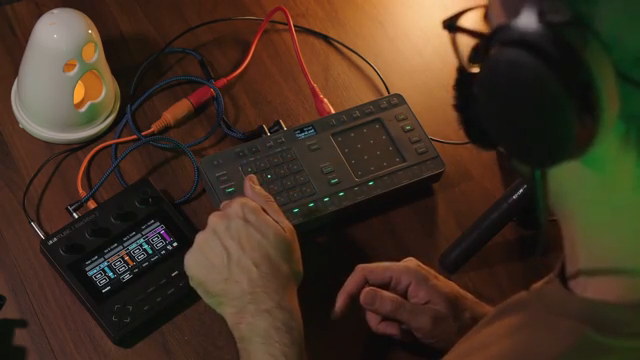
“I'm gonna go ahead and record a lower octave version of that, 'cause I think it's a little too on the nose the way I just played it.”
© Screenshot/Quote: TAETRO (YouTube)
When the bass becomes a pad
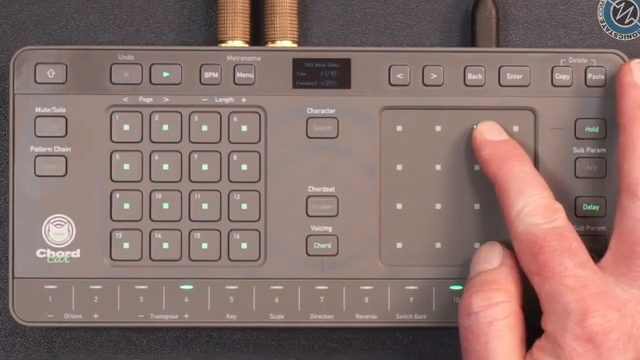
“it's kind of almost turned that into a kind of like a pad quite like that”
© Screenshot/Quote: sonicstate (YouTube)
Sonicstate finds another shift in roles: a bass variation gets delay and suddenly, for the demonstrator, approaches a pad. Earlier, the demo shows how filter, amp envelope, and recorded movements change the internal sounds. So even without a new sound source, you can work on the character of a voice.
However, this malleability does not replace sample import. According to TAETRO, you cannot load your own recordings or sounds; for purely standalone use, he considers this a significant limitation. The XY control also has two sides for him: quickly changeable parameters, but sometimes difficult precision if a finger movement unintentionally affects both axes.
Echoes that remain editable notes
With Ableton Live, TAETRO shows why the MIDI side is more than just an escape from the limited sound library. The delay repeats notes instead of audio signals. He records these repetitions live as MIDI, creating small percussion flams and can then edit every note in the clip. The rhythmic idea remains flexible instead of being fixed as audio.
For stored patterns, he demonstrates a separate route: connect via USB, select in the Chordcat Manager, and drag as a MIDI file into the DAW. Chords and bass then get other instruments there. For drum import, however, he has to move notes from the C3 range down; afterwards, he suspects a hi-hat on the clap line. The programmed velocity gradations are preserved. So, easy transfer here does not automatically mean matching drum mapping.
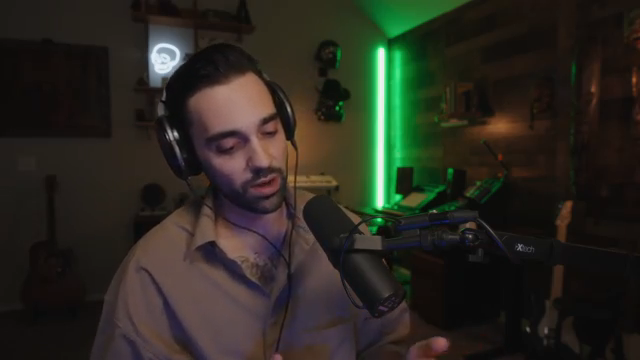
“The ultimate question is, how do you get the ideas out and into a professional software that you might actually finish a track in? Well, this is Chord Cat's answer, and I think it's a pretty decent one.”
© Screenshot/Quote: TAETRO (YouTube)
In these demos, the Chordcat acts less as a final sound destination and more as a place for decisions. Which chords remain, which voice steps back? The fact that the answer may sound different later is not a loss here, but the real freedom.


