AudioPilz, the synth world’s resident mischief-maker, takes a swing at the Dirtywave M8—a hardware tracker that looks like it fell out of a dodgy arcade and into your gig bag. With his trademark blend of sarcasm and sharp technical insight, he tries every trick in the book to hate this cult-favourite mini DAW. But does the M8 crumble under scrutiny, or is it a proper punk in a sea of posers? Strap in for a ride through hex codes, chiptune nostalgia, and a workflow that’s as addictive as a late-night kebab after a warehouse rave. Spoiler: this one’s not going down without a fight.
28. February 2026
JET
AudioPilz vs. Dirtywave M8: The Tracker That Refused to Be Hated
Meet the Dirtywave M8: Tracker with an Attitude
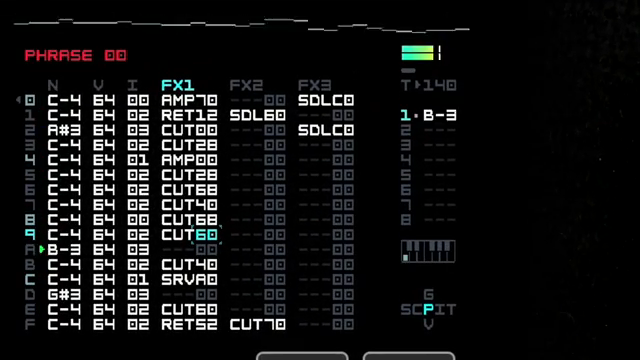
AudioPilz kicks things off with the Dirtywave M8, a hardware tracker that’s got more warning signs than a dodgy kebab shop at 3am. He’s not shy about the red flags: cult-like following, Game Boy nostalgia, and a UI that’s about as inviting as a pub brawl. The M8’s minimalist design—eight clicky buttons and a retro handheld display—looks like it was ripped straight from the fever dream of a synth nerd who spent too much time in the arcade.
But don’t let the lack of knobs and faders fool you. This thing is all cryptic pages, hexadecimal numbers, and monophonic tracks that can be loaded up with chains of 16-step phrases. It’s a tracker through and through, daring you to dive in and get your hands dirty. AudioPilz sets the tone: this isn’t your average groovebox, and it’s not here to make friends.

"This hardware tracker and mini DAW comes with more red flags than the average dating app experience."
© Screenshot/Quote: Audiopilz (YouTube)
Retro Gaming Vibes and Workflow Surprises
"Feel free to add another layer of expression by implementing tables, little sequences linked to every instrument plus 128 freely assignable ones which can be run at user-definable tempos and allow for multi-stage envelopes and arpeggiator-like madness."
© Screenshot/Quote: Audiopilz (YouTube)
Despite his best efforts to hate it, AudioPilz finds himself drawn into the M8’s workflow. The interface might look like a relic from the 8-bit wars, but there’s a method to the madness. You get columns for microtiming, slides, vibrato, and even probability—enough to keep any sequencing sadist happy.
Tables add another layer of chaos, letting you bolt on multi-stage envelopes and arpeggiator lunacy. It’s all very tracker, but the M8 does it with a slickness that’s hard to ignore. Underneath the retro veneer, there’s a snappy, mature workflow that’s more addictive than you’d expect. It’s the kind of thing you have to see in action—words barely do it justice.
Sampling, MIDI, and a Few Gripes
The M8 isn’t just about sequencing—there’s a full arsenal under the hood. You get 8-bit wavetable synthesis, a macrosynth based on Mutable Instruments Braids, classic FM, and even a hypersynth for mangling saws into chords. Sampling is a doddle, whether you’re using the built-in mic, line-in, or streaming from SD card. Slicing and file handling are basic but effective.
MIDI integration is solid, letting you control external gear and vice versa, though the lack of USB host support is a proper pain. Modulators are easy to set up, and each instrument gets its own EQ—luxury! There’s even a mastering section with OTT, a limiter, and a DJ filter. Still, AudioPilz points out that some features are a bit fiddly, and getting your hands on an M8 outside the US is like trying to find a clean toilet at a squat party.
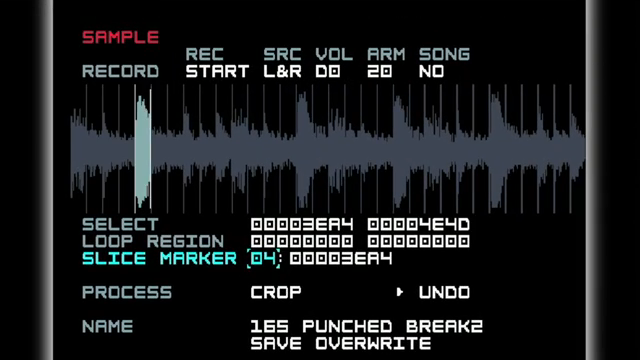
"You can conveniently control external gear from the machine and vice versa but I was missing USB host functionality, modulators can be found on a second page."
© Screenshot/Quote: Audiopilz (YouTube)
Jams, Breakbeats, and the M8’s Wild Side
Now for the fun bit: AudioPilz puts the M8 through its paces with a couple of jams that show off its versatility. Acid lines, 140 BPM mayhem, and a finale of drum’n’bass that could blow the speakers off your nan’s hi-fi. The M8 proves it’s not just a toy—it can hold its own in a live rig or a studio setup.
Programming arrangements is surprisingly painless, and the built-in instruments sound punchy as hell. MIDI implementation shines, especially once you get used to the shortcuts (or just give up and mash buttons like the rest of us). If you want to hear what this thing can really do, you’ll have to watch the video—no text can capture the raw chaos of those jams.
Final Thoughts: Punk Spirit or Hipster Gimmick?

"Sure it looks like yet another lifestyle gimmick for couch-dwelling hipsters but it's fast like a DAW, responsive like an electron, versatile like a 10/10 music, charmingly quirky like a polyand and more mature than that one great piece of gear Roland actually manages to nail once a decade."
© Screenshot/Quote: Audiopilz (YouTube)
In the end, even AudioPilz admits it’s hard to hate the Dirtywave M8. Sure, it looks like a lifestyle gadget for couch-bound hipsters, but it’s fast, responsive, and versatile—like a DAW, an Elektron box, and a Polyend all got into a punch-up and the M8 walked away with the best bits. The fact you can build your own headless version on the cheap is a massive plus for the DIY crowd.
But let’s not pretend it’s for everyone. The average synth punter isn’t going to hunt down an original M8, import it at great expense, and learn hex code just for a bit of tracker action. If you’re up for the challenge, though, the M8’s got enough punk spirit to keep you coming back for more. As always, AudioPilz delivers the verdict with a wink and a jab—this one’s a proper troublemaker.
This article is also available in German. Read it here: https://synthmagazin.at/audiopilz-vs-dirtywave-m8-der-tracker-der-sich-nicht-hassen-laesst/
Watch on YouTube:
Latest articles
Watch on YouTube:
Visit the channel:
https://www.youtube.com/AudioPilz
https://www.youtube.com/AudioPilz
Links from AudioPilz:
Become a Patreon: https://patreon.com/audiopilz
Instagram: https://instagram.com/audio.pilz
Sponsored links:
If you purchase via these links, we may earn a small commission – at no extra cost to you. The link opens an Amazon keyword search, and results may vary depending on availability.
Dirtywave M8
🔗 Check price on Amazon
🔗 Check price on Amazon