In this behind-the-scenes feature, Arturia spotlights Patrick Watson’s unique blend of voice-led musicianship and electronic exploration, all centered around the KeyLab 88 mk3 and KeyStep Pro. Watson’s approach fuses intimate piano and vocals with modular textures and digital sequencing, offering a window into how modern hybrid setups can serve expressive, performance-driven music. The video doesn’t just showcase gear—it reveals how Arturia’s flagship controllers enable nuanced, tactile workflows for artists who demand both depth and immediacy. For those curious about the intersection of digital control, modular integration, and creative routine, this is a revealing look at how architecture and artistry intertwine.
16. April 2025
LYRA
Arturia’s Hybrid Playground: Patrick Watson’s Expressive Workflow with KeyLab 88 mk3 & KeyStep Pro
Voice, Piano, and the Art of Hybrid Storytelling
Patrick Watson opens the video by positioning himself as a multi-faceted musician—pianist, vocalist, producer, and mixer—who’s always sought to channel emotion through sound. His creative journey is rooted in a desire to make music that feels physically restorative, rather than simply chasing trends or technical prowess. This ethos sets the tone for his approach to blending acoustic intimacy with electronic and orchestral elements.
Watson’s influences, from Björk’s genre-bending productions to Debussy’s impressionistic harmonies, inform his willingness to experiment with sound colors and compositional structures. The video underscores how these inspirations led him to carve out a personal sonic identity, one that’s neither strictly classical nor purely electronic, but a hybrid space where voice and technology interact organically.
KeyLab 88 mk3: Expressive Control Meets Playability
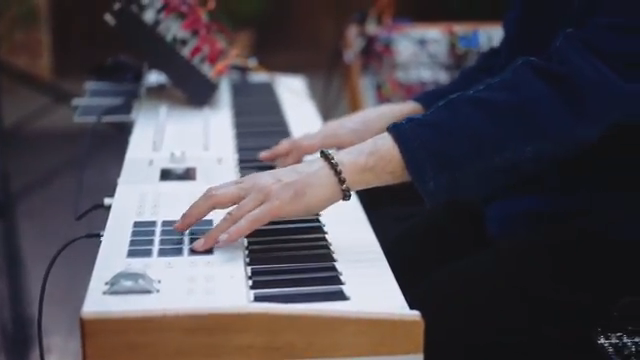
The KeyLab 88 mk3 takes center stage as Watson discusses his sensitivity to keyboard action, having spent most of his life on acoustic pianos. He notes that the KeyLab’s action is surprisingly satisfying, offering a tactile feel that bridges the gap between digital controller and real piano. This is a crucial point for players who demand nuanced response for expressive performances.
Beyond the keybed, Watson highlights the responsive pads, which he finds particularly enjoyable for triggering drums and adding dynamic layers. He appreciates that the instrument avoids deep menu diving, allowing for a more immediate, performance-focused workflow. The video makes it clear that the KeyLab 88 mk3 is designed to keep musicians in the flow, rather than bogged down by technical distractions.
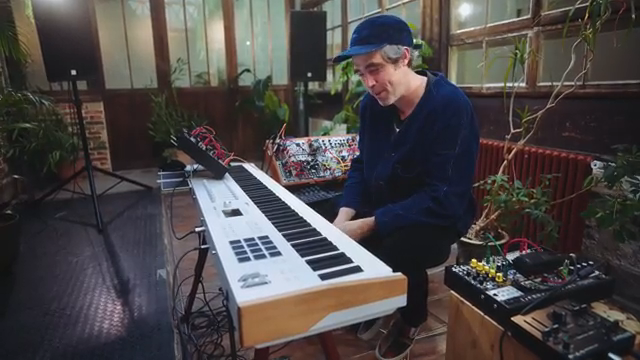
"I usually don't play keyboards a lot. I always play real piano so I'm pretty sensitive to these kind of things. Action is pretty cool though."
© Screenshot/Quote: Arturiaofficial (YouTube)
KeyStep Pro: Sequencing Power and Modular Flexibility
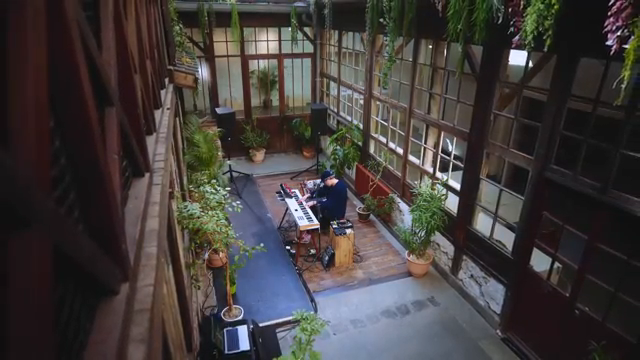
"The KeyStep Pro, there's no sequence where I like better and it's, I got half ratted to my modular so I have like four different instruments like on this guy I have my bass sound I think."
© Screenshot/Quote: Arturiaofficial (YouTube)
Watson shifts focus to the KeyStep Pro, describing it as his preferred sequencer for modular integration. He demonstrates how the device routes multiple instruments simultaneously—bass, bells, synth lines—each assigned to its own channel. The ability to quickly sequence and edit patterns, with features like time shifts, slides, and randomization, is highlighted as a major workflow advantage.
The video emphasizes how the KeyStep Pro’s architecture supports rapid patch creation and on-the-fly changes, making it ideal for live performance and spontaneous composition. Watson’s workflow involves building modular patches right before a gig, leveraging the sequencer’s flexibility to adapt and reshape arrangements in minutes. This underscores the device’s role as a central hub for complex, layered setups.
Digital Meets Analog: Modular Integration and Creative Layers
Watson illustrates how his setup bridges digital and analog domains, using the KeyLab 88 mk3 and KeyStep Pro as control centers for both software and modular hardware. He describes layering a granular synth—sampled from his own piano—beneath his live playing, adding a personal, textural dimension to his sound. This approach allows him to carry a sense of home into every performance.
A standout detail is Watson’s routing of piano signals through his modular system, introducing vintage-style effects and unpredictable elements into the mix. He values randomness and controlled chaos, ensuring that each performance remains unique and never fully predetermined. The modular’s role is not just for sonic coloration but as a creative catalyst, injecting variability and inspiration into the workflow.
Watson’s process involves writing on piano, recording modular stems, and then editing in Ableton before bringing everything back into the hardware setup for live reinterpretation. This cyclical workflow—moving between DAW, modular, and controller—demonstrates how digital and analog tools can be orchestrated for maximum creative flexibility.
The Daily Practice: Creativity as a Muscle
The final segment shifts from gear to mindset, as Watson stresses the importance of daily creative engagement. He likens imagination to a muscle that requires regular exercise, warning that long breaks can dull inspiration and make it harder to regain momentum. This philosophy underpins his commitment to maintaining a steady workflow, regardless of external pressures.
Watson’s closing reflections celebrate the privilege of making music each day, whether tweaking modular patches or playing piano. The video leaves viewers with the sense that technology—when thoughtfully integrated—serves not just as a tool, but as a partner in sustaining artistic curiosity and growth.
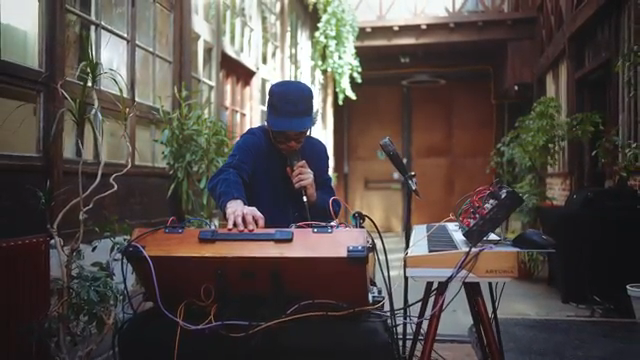
"I'm a firm believer in like creativity and imagination is like a muscle and if you're not using it every day I think it's like I can speak for myself like if I don't write for three weeks it will take me a month before I write anything with any value."
© Screenshot/Quote: Arturiaofficial (YouTube)
This article is also available in German. Read it here: https://synthmagazin.at/arturias-hybrider-spielplatz-patrick-watsons-ausdrucksstarke-workflows-mit-keylab-88-mk3-keystep-pro/
Watch on YouTube:
Latest articles
Watch on YouTube:
Visit the channel:
https://www.youtube.com/ArturiaOfficial
https://www.youtube.com/ArturiaOfficial
Links from ArturiaOfficial:
website: https://www.arturia.com
instagram: https://instagram.com/arturia_official
twitter: https://twitter.com/ArturiaOfficial
soundcloud: https://soundcloud.com/arturia-official/albums
Sponsored links:
If you purchase via these links, we may earn a small commission – at no extra cost to you. The link opens an Amazon keyword search, and results may vary depending on availability.
Arturia Keylab 88 MK3
🔗 Check price on Amazon
🔗 Check price on Amazon
Arturia KeyStep Pro
🔗 Check price on Amazon
🔗 Check price on Amazon