When it comes to fusing analog depth with digital flexibility, Arturia’s AudioFuse 16Rig stands out as a centerpiece for modern electronic production. In this official Arturia feature, LA’s The Glitch Mob open their studio doors to reveal how the 16Rig anchors their creative process, bridging modular synths, DAWs, and spontaneous jam sessions. The video spotlights not just the technical prowess of the interface—16 inputs, 10 outputs, customizable presets—but also how its standalone and immersive monitoring features empower boundary-pushing sound design. For anyone obsessed with workflow architecture and sonic exploration, this is a revealing look at how digital and analog worlds collide in the hands of innovators.

7. February 2025
LYRA
Arturia’s AudioFuse 16Rig: The Glitch Mob’s Hybrid Workflow Powerhouse
A New Centerpiece for Electronic Creation
The Glitch Mob’s creative evolution is rooted in the underground, but their workflow is anything but retro. Arturia’s AudioFuse 16Rig is introduced as the heart of their studio—a versatile audio interface designed to streamline the often-chaotic world of electronic music production. The duo frames their current approach as a return to the essentials, focusing on the raw elements needed to craft club-ready dance music while maintaining the flexibility to adapt and experiment.
This isn’t just about plugging in and pressing play. The 16Rig is positioned as a tool that brings clarity and order to a complex setup, allowing The Glitch Mob to focus on the feeling of the music and its impact on the dance floor. Arturia’s presentation style, as always, leans into the practical: the device is not just a technical marvel, but a workflow enabler that helps artists stay inspired and efficient in the studio.
Inputs, Outputs, and Preset Power
Diving into the hardware, the AudioFuse 16Rig boasts 16 analog inputs and 10 analog outputs, making it a formidable hub for recording and mixing. The Glitch Mob highlight how this abundance of I/O allows them to connect a wide array of analog gear—synths, modular rigs, and more—without constant repatching or compromise. The interface’s clear labeling and visual feedback further support a streamlined workflow, reducing the cognitive load during creative sessions.
Preset customization is another key feature that gets the spotlight. Users can label every input and output, save their own routing and mix settings, and expand the system with the X8 in and out modules. This modularity means the 16Rig can scale with evolving studio needs, accommodating everything from simple synth tracking to complex, multi-source recording sessions.

"It's been an incredible piece for my studio, for me that I love to record analog gear."
© Screenshot/Quote: Arturiaofficial (YouTube)
Standalone Operation: Modular Freedom Unleashed
"One of the amazing things about the AudioFuse 16 rig is the fact that it can be used in a standalone mode without Ableton, without even the computer being on."
© Screenshot/Quote: Arturiaofficial (YouTube)
One of the most compelling aspects discussed is the 16Rig’s standalone mode. The Glitch Mob emphasize how this allows them to integrate modular synthesizers and other hardware directly, without needing a computer or DAW running. This is a game-changer for spontaneous creativity—just power up the interface, patch in your gear, and start playing, all while monitoring and mixing directly from the device.
The mixer page offers hands-on control over mutes, solos, trims, and auxiliary sends, making the 16Rig more than just a passive conduit. It becomes an active instrument in the studio, enabling jam sessions, guitar plug-ins, or modular explorations without the friction of booting up software. For those who value immediacy and tactile control, this standalone capability is a significant workflow advantage.
Sound Exploration and Immersive Monitoring
For The Glitch Mob, sound exploration isn’t just a technique—it’s the core of their identity. The video underscores how electronic production offers a vast sonic palette, encouraging experimentation and the pursuit of sounds that defy convention. The AudioFuse 16Rig, especially with its latest firmware and the AudioFuse Control Center, supports this ethos by providing deep control over monitoring and routing.
A standout feature is the new immersive monitoring option. The ability to precisely dial in subwoofer levels, set crossover points, and toggle monitoring configurations on the fly is highlighted as a breakthrough for those producing bass-heavy dance music. This level of monitoring flexibility is crucial when crafting tracks meant to shake club systems and translate across diverse playback environments.
Ultimately, the 16Rig’s architecture empowers artists to push boundaries, supporting both the technical demands of complex productions and the creative drive to make something truly original. It’s not just about capturing sound, but about shaping and experiencing it in new ways.
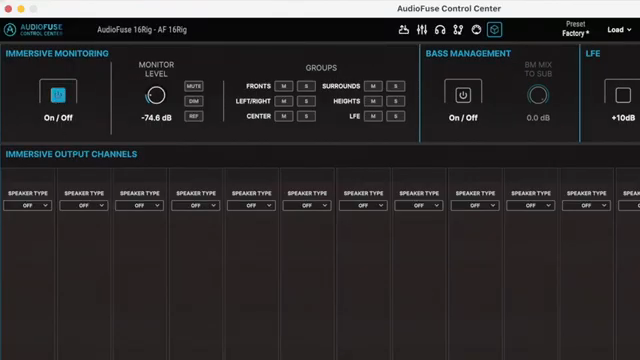
"The ability to dial in my sub to my liking, volume wise, crossover point wise, and the option to turn them right on and off is next level."
© Screenshot/Quote: Arturiaofficial (YouTube)
Workflow Integration: From Inspiration to Dancefloor
The video wraps by showing how seamlessly the AudioFuse 16Rig fits into The Glitch Mob’s daily workflow. Whether they’re building intricate soundscapes or laying down heavy dancefloor grooves, the interface acts as both a technical anchor and a creative catalyst. Its integration with modular gear, DAWs, and monitoring systems means less time troubleshooting and more time making music.
For producers working at the intersection of analog and digital, the 16Rig’s blend of connectivity, control, and flexibility is a clear asset. Arturia’s focus here is on enabling artists to stay in the flow, turning inspiration into finished tracks without unnecessary barriers or distractions.
This article is also available in German. Read it here: https://synthmagazin.at/arturias-audiofuse-16rig-the-glitch-mobs-hybrid-workflow-kraftpaket/
Watch on YouTube:
Latest articles
Watch on YouTube:
Visit the channel:
https://www.youtube.com/ArturiaOfficial
https://www.youtube.com/ArturiaOfficial
Links from ArturiaOfficial:
website: https://www.arturia.com
instagram: https://instagram.com/arturia_official
twitter: https://twitter.com/ArturiaOfficial
soundcloud: https://soundcloud.com/arturia-official/albums
Sponsored links:
If you purchase via these links, we may earn a small commission – at no extra cost to you. The link opens an Amazon keyword search, and results may vary depending on availability.
Arturia AudioFuse 16Rig
🔗 Check price on Amazon
🔗 Check price on Amazon