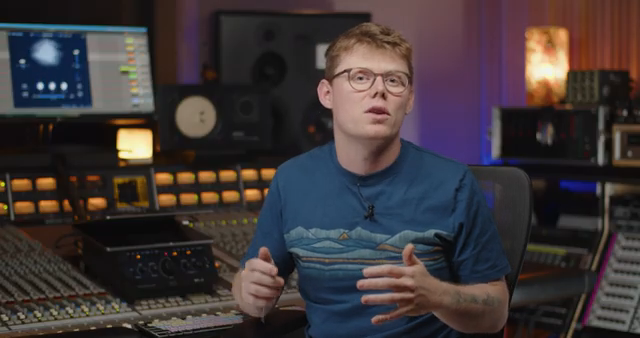
Arturia’s Rev OCEAN plugin is thrust into the shoegaze spotlight in this official tutorial, where Matt demonstrates how to sculpt immersive, wall-of-sound textures for guitar, vocals, and drums. As expected from Arturia, the emphasis is on precise parameter control, macro workflows, and intelligent signal shaping. The video walks through real-world settings and workflows, balancing lush ambience with the clarity modern mixes demand. For digital and hybrid enthusiasts, this is a revealing look at how algorithmic reverb can drive both nostalgia and innovation.
Shoegaze Defined: Rev OCEAN’s Sonic Canvas
The video opens with Arturia positioning Rev OCEAN as more than just another reverb plugin—it’s a tool aimed squarely at recreating the dense, immersive reverberant spaces central to shoegaze. This genre, as Matt notes, demands a reverb that does not simply sit behind the source but rather engulfs and dissolves it, creating an infinite, slightly blurred wash. Rev OCEAN is presented as the architect of this sonic environment, promising control over parameters that shape the signature shoegaze haze. Arturia’s approach is, as usual, workflow-oriented: the emphasis is on tangible sound design moves rather than abstract theory. The structure of the tutorial signals that practical application—guitar, vocals, drums—will be at the core, not just preset surfing.
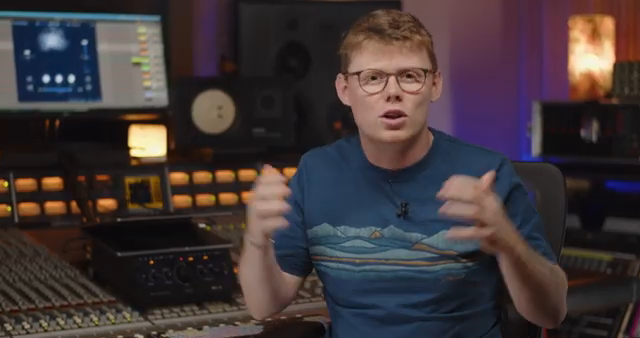
"The dry signal almost disappears into a dense, evolving wash that feels infinite and slightly out of focus."
© Screenshot/Quote: Arturiaofficial (YouTube)
Parameter Play: Decay, Size and Filtering
"The foam macro builds a soft diffused attack blurring the reverb onset into a smooth swelling texture."
© Screenshot/Quote: Arturiaofficial (YouTube)
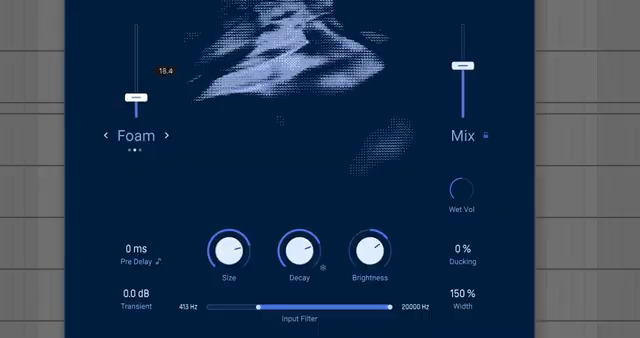
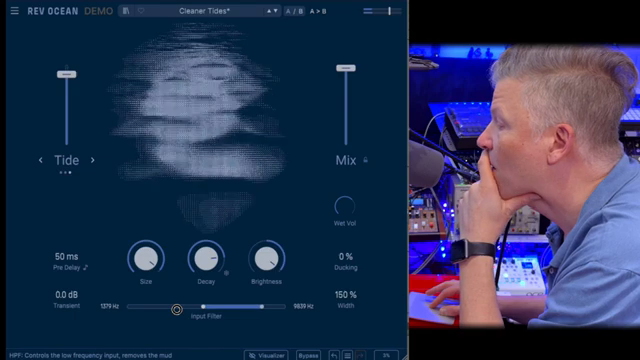
The demonstration gets hands-on with Rev OCEAN’s core features, starting with guitar. Matt sets a massive 20-second decay and 150% size, instantly pushing the sound into shoegaze territory. The brightness control is dialed up to bring shimmer to the reverb tail, while a high-pass input filter (set at 400Hz) keeps the low end tight. The stereo width is pushed to 150%, ensuring the effect wraps around the mix. The distinctive ‘foam’ macro is highlighted as a way to soften reverb onset, blending transients into the wash—a detail that’s crucial for avoiding harshness in these long tails.
For vocals, similar settings are adapted: size is at 140%, decay remains long, but the high-pass filter is moved up to 1500Hz to prevent muddiness. Pre-delay sync and the ‘foam’ macro help achieve a pillowy, indistinct vocal presence, while transient and ducking controls are used to ensure the vocal doesn’t poke out excessively. Drums get a slightly different treatment—shorter decay (2.5 seconds), high brightness, and more aggressive transient shaping—to keep rhythm intelligible within the reverb cloud. Each tweak is shown in context, not just explained abstractly.
Workflows for Each Source: Guitar, Vocals, Drums
The workflow for guitar starts with a classic dry signal, then walks through each parameter change while referencing how it impacts the character—tail length, stereo spread, and the blurring of attack thanks to the foam macro. The video demonstrates before-and-after comparisons, making it easy to hear each adjustment’s effect within a typical chordal pattern.
For vocals, Matt focuses on achieving that buried, textural sound by combining high-pass filtering, transient reduction, and ducking. The vocal sits within the mix, neither dominating nor fading away, and the tutorial makes clear how Rev OCEAN’s controls make this balance possible. Drum processing is handled with careful restraint: transient shaping and ducking ensure clarity, while the reverb tail and width settings keep the groove readable yet atmospheric. Each workflow is presented with a clear, step-by-step logic, making it easy to translate these approaches to your own sessions.
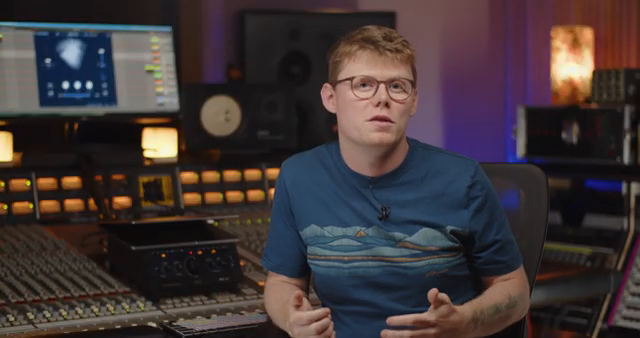
"The snare in particular becomes part of the textual wash rather than a sharp transient event."
© Screenshot/Quote: Arturiaofficial (YouTube)
Cohesion Without Clutter: Smoothing and Ducking Essentials
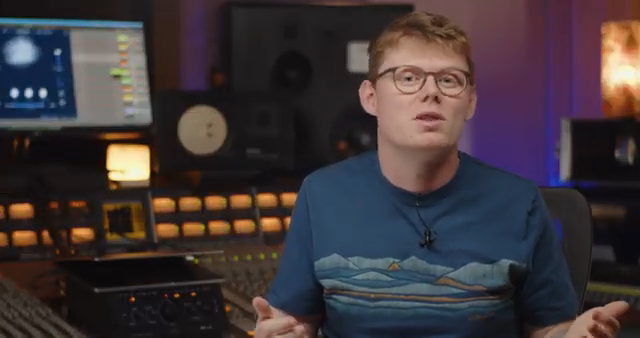
"Rev Ocean gives you a lot of control over how the reverb behaves, which makes it easy to dial in that shoe gaze feel without losing the mix."
© Screenshot/Quote: Arturiaofficial (YouTube)
The tutorial closes by underlining the importance of transient smoothing and ducking, two features that prevent the reverb from overwhelming the mix. Foam and transient controls soften the attack, avoiding abrupt reverb blooms, while ducking ensures the dry signal stays perceptible even in dense arrangements. This combination is what lets Rev OCEAN deliver that shoegaze wall-of-sound without turning everything to mush. Arturia’s emphasis here is on practical, musical control rather than just sonic excess, making Rev OCEAN a flexible tool for both classic and contemporary production workflows.
This article is also available in German. Read it here: https://synthmagazin.at/arturia-rev-ocean-shoegaze-reverb-architekturen-im-fokus/
More articles about these products:
Watch on YouTube:
Latest articles
Watch on YouTube:
Visit the channel:
https://www.youtube.com/ArturiaOfficial
https://www.youtube.com/ArturiaOfficial
Links from ArturiaOfficial:
website: https://www.arturia.com
instagram: https://instagram.com/arturia_official
twitter: https://twitter.com/ArturiaOfficial
soundcloud: https://soundcloud.com/arturia-official/albums
Sponsored links:
If you purchase via these links, we may earn a small commission – at no extra cost to you. The link opens an Amazon keyword search, and results may vary depending on availability.
Arturia Rev OCEAN
🔗 Check price on Amazon
🔗 Check price on Amazon