Alex Ball is back, and this time he’s got his hands on the UDO DMNO—a synth that’s as confusing as it is brilliant. Forget your standard poly or mono labels; this is a molysynth, and it demands a rethink of what a synth can be. Ball’s signature blend of dry wit and deep technical chops slices through the hype, exposing a machine that’s more playground than preset box. If you’re after lush chords and easy answers, look elsewhere. But if you want a synth that’ll drag you into the sonic deep end, this one’s worth a look—and a listen.
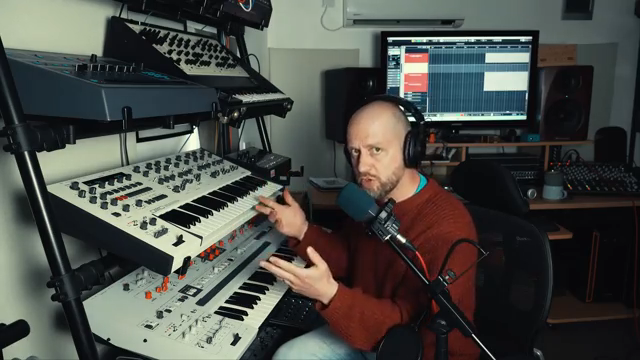
Molysynth Mayhem: What Even Is This Thing?
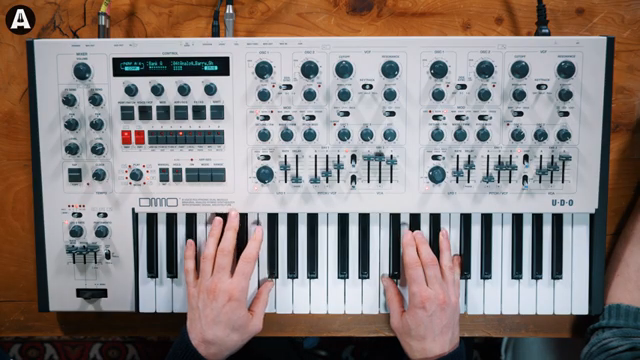
Alex Ball wastes no time calling out the UDO DMNO for what it is—and what it definitely isn’t. Forget the usual mono/poly debate; this is a self-declared “molysynth,” a term as awkward as it is accurate. The DMNO is technically an eight-voice polysynth, but only in one very specific configuration. Most of the time, you’ll be burning two voices per key, so don’t expect to bash out big, lush chords like you’re in a synthwave cover band.
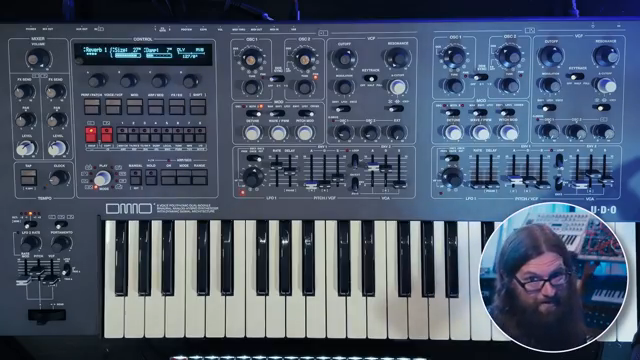
Instead, the DMNO is a playground for dual timbres—dubbed “dominoes”—that take their visual cues from the Oberheim SEM but don’t try to clone it. The play modes are wild: splits, stacks, ping-pong, random, chaos, audio feedback, and more. It’s a sound designer’s toybox, not a traditional instrument. If you’re looking for a bread-and-butter polysynth, this isn’t it. But if you want to get weird, you’re in the right rave bunker.
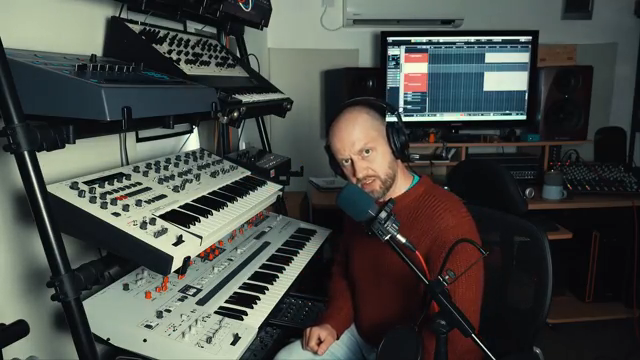
"I'm saying it's a molly synth."
© Screenshot/Quote: Alexballmusic (YouTube)
Dual Timbrality: The Two-Voice Tango
"Two notes does not a polysynth make in my book."
© Screenshot/Quote: Alexballmusic (YouTube)
Here’s the kicker: with all the clever dual timbre setups, you’re mostly stuck with just two voices per key. Try to play more than four notes and you’ll hit the wall fast. Go for layering, and you’re down to two notes—hardly the stuff of classic polyphony. Ball points out that this limitation is baked into the architecture, and it’s not a bug, it’s the whole point.
The DMNO wants you to think differently about playing. It’s about exploring two timbres at once, bouncing between them, stacking them, or even running one into the other for feedback mayhem. This isn’t the synth for your next lush pad chord progression. It’s a machine that rewards experimentation and punishes anyone who tries to treat it like a Jupiter-8. Embrace the chaos or move along.
Sound Design Playground: Texture Over Chords
If you’re after intricate textures and evolving motion, the DMNO is your new best mate. Ball demonstrates that this synth shines when you let single notes or simple intervals ring out, letting the internal movement do the heavy lifting. Even on patches that look like pads, you’re limited to two notes—so forget about jazz voicings and focus on the sound itself.
The real fun is in the details: binaural motion, stereo trickery, and all sorts of modulation that make each note a mini-adventure. Ball makes it clear that you don’t need a dozen voices when one or two will fill the room with swirling, shifting sound. This is a synth for those who want to sculpt, not just play. And honestly, the sonic results are best experienced in the video—words can only take you so far before you need to hear the DMNO do its thing.
Filter Frenzy: Wide Ranges, Wild Results
The DMNO’s filter section is a beast—wide ranges, multiple types, and enough slope options to make your head spin. Ball shows how even a simple tweak, like pushing oscillator volume into the filter, can transform the resonance from smooth to absolute carnage. It’s easy to blow out the filter if you’re heavy-handed, so finesse is the name of the game.
Switching between filter types isn’t just a subtle change; it can completely flip your patch on its head. Ball compares it to driving a Formula One car—floor it and you’ll spin out. The DMNO rewards careful control and punishes the reckless. If you want a synth that lets you sculpt sound with surgical precision (or just make a glorious mess), this filter section is where the action is.
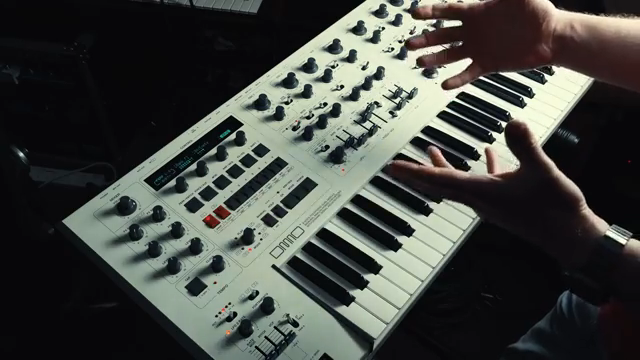
"A bit like a Formula One car, you wouldn't floor it and drop the clutch. You'd spin out."
© Screenshot/Quote: Alexballmusic (YouTube)
Who’s It For? Not Your Average Synth Nerd
Ball wraps up by making it clear: this synth isn’t for everyone. If you’re a sound designer, modular head, or just want something that breaks the mould, the DMNO is a breath of fresh air. The filter setup alone is worth the price of admission, and the interface is quick, shallow, and surprisingly easy to navigate for something so deep.
But if you’re after a classic polysynth experience, or you’re just starting out, look elsewhere. The DMNO is more sledgehammer than scalpel—overkill for beginners and a bit too weird for purists. Still, you’ve got to respect UDO for taking a risk and delivering a synth that’s as bold as it is bonkers. Hats off to Alex Ball for cutting through the confusion and showing us why this molysynth matters.
This article is also available in German. Read it here: https://synthmagazin.at/alex-ball-zerlegt-den-udo-dmno-kein-polysynth-fuer-omas-wohnzimmer/
More articles about these products:

Watch on YouTube:
Latest articles
Watch on YouTube:
Visit the channel:
https://www.youtube.com/AlexBallMusic
https://www.youtube.com/AlexBallMusic
Links from AlexBallMusic:
Patreon: https://patreon.com/AlexBallMusic
Bandcamp: https://alexball.bandcamp.com/releases
Instagram: https://instagram.com/alexballmusic
Facebook: https://facebook.com/alexballmusic
Alex Ball Music: https://alexballmusic.com
Sponsored links:
If you purchase via these links, we may earn a small commission – at no extra cost to you. The link opens an Amazon keyword search, and results may vary depending on availability.
UDO DMNO
🔗 Check price on Amazon
🔗 Check price on Amazon