In the inaugural episode of MPC Academy Sessions, Akai Professional’s Andy Mac takes the MPC Key 37 for a spin, revealing its prowess as both a performance keyboard and a full-fledged production hub. This session, filmed at Guitar Center Hollywood, is a deep dive into how the MPC Key 37 streamlines melody creation, sample management, and beat construction, all while offering hands-on control and DAW-like arrangement tools. As is typical for Akai’s producer-focused approach, the video is less about flashy presets and more about real-world workflow—showing how digital architecture and tactile controls combine to keep creativity flowing. For anyone curious about how the MPC Key 37 fits into modern production setups, this is a session worth dissecting.
11. July 2025
LYRA
Akai Professional’s MPC Key 37: Workflow Mastery in the MPC Academy Sessions
Laying the Foundation: The MPC Key 37 as Creative Nucleus
The session opens with Andy Mac demonstrating how the MPC Key 37 serves as a central tool for both performance and production. He begins by laying down melodies using the Analog Dreams plugin, highlighting how keyboard players can immediately connect with the instrument’s tactile interface. The focus here is on finding a melodic pocket that sets the mood—simple, effective, and ready to inspire further layers.
What stands out is the MPC Key 37’s versatility: whether you’re building from scratch or integrating samples, the workflow is designed to keep ideas moving. Andy emphasizes that even basic melodic ideas can quickly become the backbone of a track, thanks to the instrument’s immediate response and intuitive control surface. This approach is classic Akai—bridging the gap between hands-on performance and digital production without unnecessary friction.
From Melody to Beat: Integrating Samples and Effects
Andy transitions from melody to rhythm, underscoring the importance of having drum kits and samples prepped and ready. The MPC Key 37’s architecture supports seamless movement between melodic creation and beat construction, allowing users to drop in triplets, switch off the metronome, and immediately start shaping the groove. The workflow here is about minimizing downtime—no endless searching for the right snare, just instant access to curated sounds.
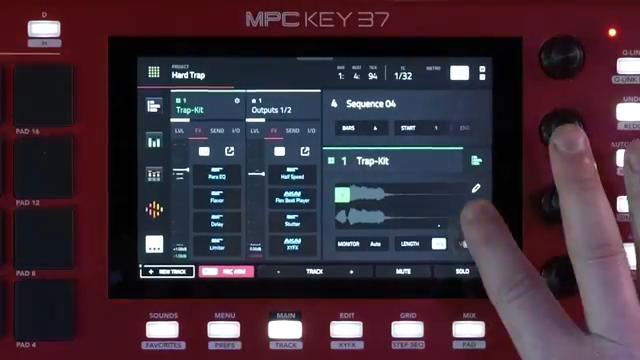
A key feature demonstrated is the ability to assign effects to individual pads. Andy showcases how, with a simple press, users can apply effects like Delay Pro to specific sounds, tailoring each element for the track’s vibe. The four-square pad interface in the corner of the screen makes this process both visual and efficient, reinforcing the MPC’s reputation for hands-on sound design.
This integration of melodic, sampled, and processed elements is where the MPC Key 37 shines. The system encourages experimentation—layering vocals, tweaking effects, and building complexity without breaking creative flow. For producers who thrive on rapid iteration, these features are more than conveniences; they’re essential tools in the modern beatmaker’s arsenal.
"You can tailor your sounds specifically for the kind of beat that you're making."
© Screenshot/Quote: Akai Pro (YouTube)
Sample Preparation: The Secret to Uninterrupted Creativity

"Doing the prep work allows you to just be super creative."
© Screenshot/Quote: Akai Pro (YouTube)
Andy Mac doesn’t just gloss over the importance of sample management—he makes it a central pillar of his workflow. By preparing samples, kits, and key sounds ahead of time, he avoids the classic trap of losing momentum while hunting for the perfect drum hit. This preparation is presented as a non-negotiable for efficient beat-making.
The MPC Key 37’s user interface supports this philosophy, offering quick access to sounds and straightforward sample assignment. The result is a setup where inspiration isn’t stalled by technical hurdles. Instead, the focus remains on creative decisions, with the hardware acting as a transparent conduit for musical ideas.
Textural Depth: Effects and Layering in Action
As the track evolves, Andy introduces vocal textures and additional melodic layers, demonstrating how the MPC Key 37’s effects engine can transform raw sounds into polished elements. He uses Delay Pro for vocals and leverages the ability to assign different effects to each pad, adding modern flavor and depth beneath the beat. The process is tactile—selecting, tweaking, and layering in real time.
The demonstration moves through several synth sounds, including Cloud Supply and Nuct, each adding their own character. Andy highlights how the touchscreen and Q-link controls enable detailed manipulation—whether it’s dialing in a distorted lead or crafting an ethereal pad. The workflow is about building up the track piece by piece, with each new sound slotting into place thanks to the MPC’s flexible routing and effect assignment.
On the master output, Andy showcases four effects—half speed, flex beat, stutter, and XY tape stop—all mapped to Q-link knobs for immediate control. This macro-style approach allows for live manipulation and automation, making it easy to inject movement and drama into the mix. The ability to automate and record these effects directly into the arrangement is a standout, bridging the gap between studio polish and live performance energy.

"You can automate those, and you can record this into your mix."
© Screenshot/Quote: Akai Pro (YouTube)
Arranging Like a DAW: Structure and Flexibility
The final segment shifts focus to arrangement, where Andy demonstrates how the MPC Key 37 lets users structure tracks much like they would in a traditional DAW. Using the arranger screen, he zooms, loops, and edits sections, moving from four-bar sketches to full song forms. The process is visual and hands-on, with the loop function and touchscreen making navigation intuitive.
Andy points out that while classic MPC workflows relied on track mutes and pattern juggling, the Key 37’s modern arrangement tools offer a more streamlined path. Users can erase, duplicate, and move sections with ease, deciding where drops, intros, and transitions should land. For those used to DAW environments, this approach feels familiar—yet it retains the immediacy and performance focus that define the MPC lineage.
Watch on YouTube:
Latest articles
Watch on YouTube:
https://www.youtube.com/Akai_Pro
Links from Akai_Pro:
Sponsored links:
If you purchase via these links, we may earn a small commission – at no extra cost to you. The link opens an Amazon keyword search, and results may vary depending on availability.
🔗 Check price on Amazon