Akai Professional takes a bold step with the AIR Stereophonic EQP, a plugin inspired by the musicality of classic Pultec EQs but reimagined for modern digital workflows. This official walkthrough dives into the architecture, controls, and practical applications of the EQP within the MPC environment and beyond. From subtle sweetening to assertive tone-shaping, the video demonstrates how the EQP’s expanded bands, tube warmth, and mid/side processing can transform tracks, buses, and mixes. We break down what’s actually shown—and where this plugin might fit in your hybrid or DAWless setup.
2. September 2026
LYRA
Akai Professional Channels Vintage EQ Magic: The Stereophonic EQP Unpacked
A Modern Take on a Classic: What is the Stereophonic EQP?
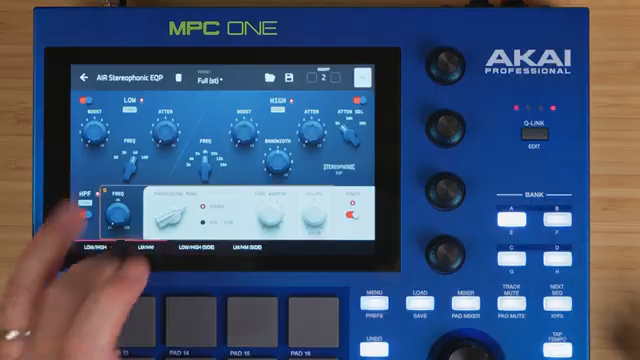
Akai Professional’s AIR Stereophonic EQP brings the warm, broad-stroke sound-shaping ethos of the classic Pultec EQ into the digital era. This plugin, as presented in Akai’s official walkthrough, is designed to deliver musical enhancement rather than surgical correction, making it a tool for infusing tracks with depth and color instead of fixing problematic frequencies. The video is upfront about the EQP’s role: it’s not meant for clinical fixes but rather for adding character and identity to your material.
The plugin draws inspiration from revered hardware like the EQP-1A and MEQ-5, echoing their legendary status for imparting a “sweetening” effect. However, AIR’s approach is unashamedly modern. The interface and workflow are tailored for producers who want to make bold tonal moves quickly, leveraging the broad curves and signature Pultec boost-and-attenuate trick. The result, as demonstrated, is an EQ that’s about vibe, not minutiae—a philosophy that threads through both the plugin’s sound and its user experience.
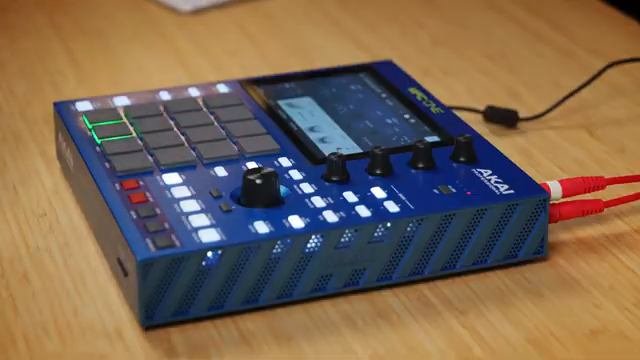
"The Pultec-style EQ is a musical sweetener-style EQ. It's not surgical."
© Screenshot/Quote: Akai Pro (YouTube)
Features at a Glance: Bands, Filters, and Mid/Side Power
"Traditionally, the Pultec EQP1A does not have a high-pass filter or mid-band frequencies, and it's usually mono as well."
© Screenshot/Quote: Akai Pro (YouTube)
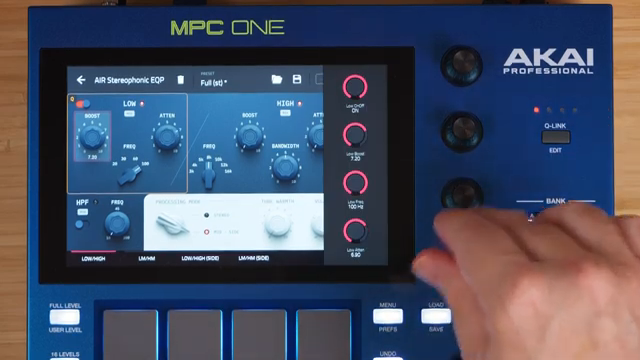
Diving into the architecture, the Stereophonic EQP offers low, mid, and high-frequency bands, each with classic boost and attenuation controls. What sets it apart are the additional mid bands and a high-pass filter—features absent from traditional Pultec hardware. These additions, including selectable bandwidth for shaping the highs, expand the palette for modern production needs. The plugin also incorporates tube warmth emulation, providing subtle harmonic saturation reminiscent of analog gear, and a global output control for honest A/B comparisons.
A standout feature for hybrid and DAWless workflows is the inclusion of stereo and mid/side processing. Users can process the mid and side channels independently, allowing for precise spatial sculpting. The video demonstrates how you can give the center of a bass track more focus, or widen the top end on drum buses without muddying the low frequencies. These workflow-focused enhancements, coupled with a straightforward menu system, make the plugin adaptable to both individual tracks and complex mix environments.
Real-World Use Cases: From Guitars to Group Buses
The walkthrough doesn’t just talk features; it methodically showcases the EQP across a variety of sources. On acoustic guitar, the plugin’s ability to add shimmer and control low-mid buildup is highlighted, with the classic Pultec low-end trick delivering a resonant yet controlled boost. The video then moves to bass, where mid/side processing is used to anchor the lows in the center, while the sides are cleaned up and even subtly saturated with tube warmth. Each tweak is A/B’d, illustrating the practical impact on mix clarity and depth.
Drum buses and vocal submixes also get the EQP treatment. On drums, the plugin injects punch and air, while careful use of the side bands enhances stereo width without sacrificing mono punch. Vocals are brightened and de-muddied using the high-mid and low-mid bands, showing the plugin’s flexibility across genres and sources. Throughout, the emphasis stays on musicality—each control is used to serve the mix rather than overwhelm it, giving a clear sense of how this EQ can fit into a real-world production workflow.
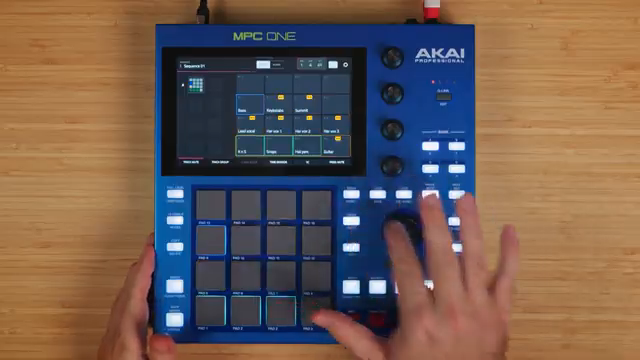
"These are, in fact, classic mixing techniques. So the fact that it's in the MPC is great now."
© Screenshot/Quote: Akai Pro (YouTube)
Intuitive Interface, Broad Curves: Workflow and Character
The AIR Stereophonic EQP’s interface is intentionally direct, favoring broad, musical EQ curves over endless parameter tweaking. This design makes it easy to dial in either subtle polish or more aggressive tone-shaping, as shown in the video’s final summary. The plugin encourages confident moves, with each parameter mapped clearly and workflow streamlined for both standalone MPC use and DAW integration. In short, it’s a tool for producers who want fast, effective results without wading through deep menus or complex routing—a philosophy that echoes both the classic hardware and Akai’s modern production ethos.
This article is also available in German. Read it here: https://synthmagazin.at/akai-professional-bringt-vintage-eq-magie-ins-digitale-der-stereophonic-eqp-im-ueberblick/
More articles about these products:
Watch on YouTube:
Latest articles
Watch on YouTube:
Visit the channel:
https://www.youtube.com/Akai_Pro
https://www.youtube.com/Akai_Pro
Links from Akai_Pro:
website: https://akaipro.com
instagram: https://instagram.com/akai_pro
facebook: https://www.facebook.com/AkaiPro
twitter: https://twitter.com/akai_pro
google_plus: https://plus.google.com/107127819149441645522/posts
Sponsored links:
If you purchase via these links, we may earn a small commission – at no extra cost to you. The link opens an Amazon keyword search, and results may vary depending on availability.
AIR Stereophonic EQP
🔗 Check price on Amazon
🔗 Check price on Amazon